
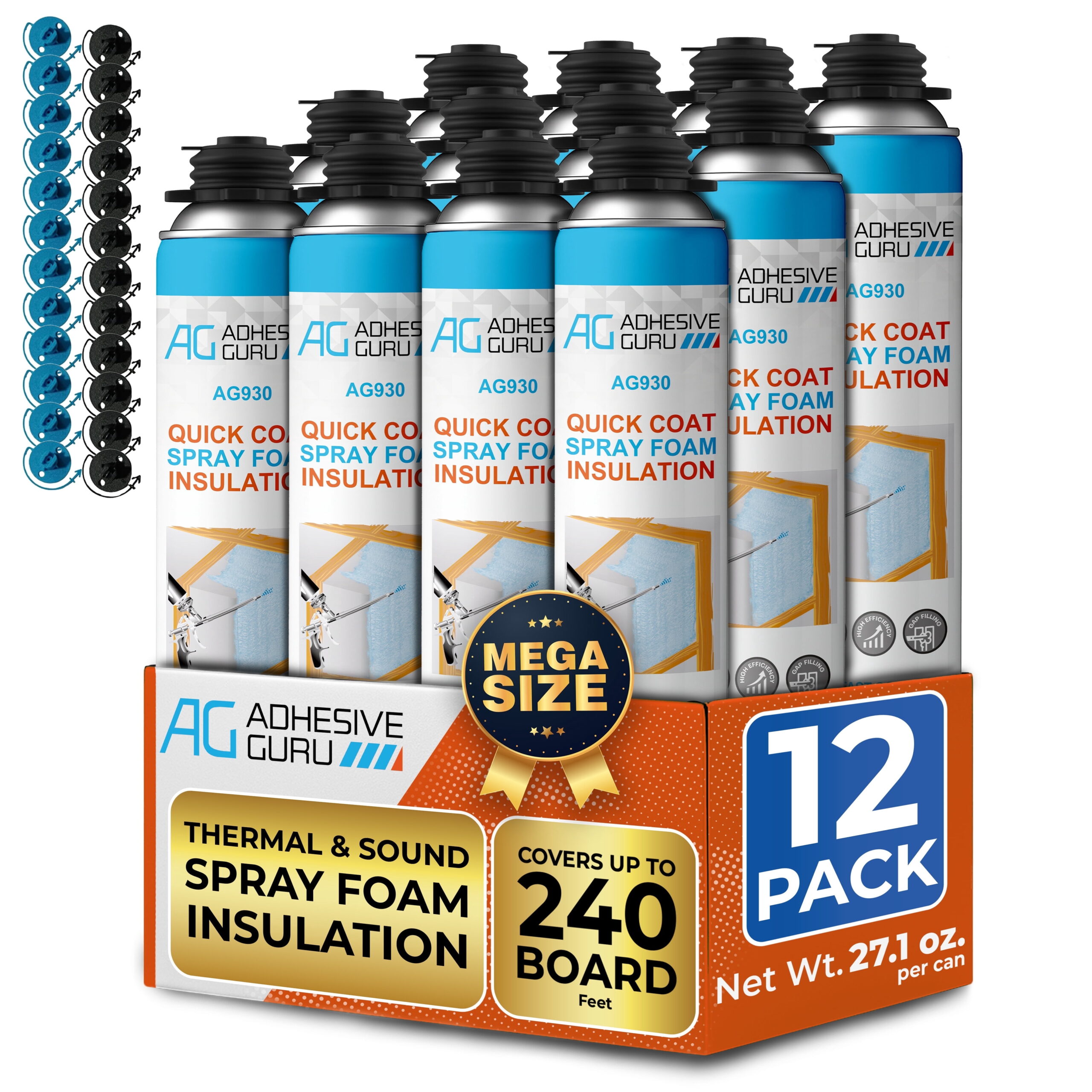
Adhesive Polyurethane Foam: Uses, Benefits and Application
Adhesive polyurethane foam is a versatile bonding and gap-filling material used in construction, manufacturing and maintenance. It combines the bonding properties of an adhesive with the expanding, cushioning and insulating characteristics of polyurethane foam. Depending on the product, it may be supplied in an aerosol can or as a two-component system.
What Is Adhesive Polyurethane Foam?
Polyurethane foam forms when its ingredients react and expand, creating a cellular structure that hardens as it cures. In adhesive foam products, the formulation is designed to bond suitable surfaces while filling gaps or irregularities. Some products are intended mainly for fixing panels or components; others are designed for sealing and insulation. These uses are not always interchangeable, so the product’s technical data sheet should be checked before use.
Common Applications
- Construction: Bonding insulation boards, panels and selected building components.
- Door and window installation: Filling gaps around frames, where the product is specifically approved for that purpose.
- Sealing: Filling cracks and cavities to help reduce air leakage, dust and sound transmission.
- Manufacturing: Bonding or cushioning components in furniture, appliances, packaging and other products.
- Repairs: Securing compatible materials or filling voids in certain repair jobs.
Key Benefits
- Fills uneven spaces: Foam can expand into gaps that are difficult to fill with a conventional adhesive.
- Useful bonding strength: Many formulations provide a durable bond to compatible substrates.
- Insulation: The cellular structure can help limit heat transfer and air movement when used as part of an appropriate system.
- Lightweight: Cured foam adds relatively little weight to an assembly.
- Convenient application: Aerosol products can be useful for small or hard-to-reach areas.
Surfaces and Compatibility
Polyurethane foam adhesives can bond to materials such as concrete, masonry, timber and some metals or plastics, depending on the formulation. Surface condition matters: dust, grease, moisture, coatings and low surface strength can affect adhesion. Certain plastics, release agents and painted or treated surfaces may be unsuitable. Always test the product on a small, inconspicuous area if compatibility is uncertain.
How to Apply It
- Read the product instructions: Check the approved uses, compatible surfaces, application temperature and curing time.
- Prepare the surfaces: Remove loose material, dust, oil and other contaminants. Follow the manufacturer’s guidance on whether the surface should be dry or lightly damp.
- Protect the work area: Cover nearby surfaces, as uncured foam can be difficult to remove.
- Apply carefully: Use the recommended bead size and avoid overfilling. Foam expansion varies by product.
- Allow it to cure: Keep the assembly undisturbed for the specified period. Temperature and humidity can affect curing.
- Trim or finish if needed: Once fully cured, excess foam may be trimmed where the product instructions permit.
Safety and Storage
Uncured polyurethane foam can irritate the skin, eyes and respiratory system. Follow the safety information on the label and safety data sheet. Wear suitable gloves and eye protection, and provide adequate ventilation. Avoid breathing vapour or spray mist. Aerosol cans are pressurised and should be kept away from heat, sparks and open flames. Store them as directed by the manufacturer and out of reach of children.
Do not assume that foam is suitable for structural bonding, fire stopping, permanent exposure to sunlight or use in contact with drinking water. These applications require products specifically tested and approved for the purpose. Cured foam may also need protection from ultraviolet light, moisture or weathering, depending on its formulation and intended use.
Choosing the Right Product
Select an adhesive polyurethane foam based on the materials being joined, the size of the gap, the required bond strength and the conditions in which it will be used. Consider expansion, curing time, temperature range, moisture resistance and any relevant building or safety requirements. For large installations or critical applications, consult the manufacturer or a qualified professional.
Conclusion
Adhesive polyurethane foam can offer a practical combination of bonding, gap filling and insulation. Its performance depends on choosing the right formulation and applying it correctly. Checking compatibility, following the product instructions and taking appropriate safety precautions helps achieve a reliable result.
7 Key Benefits of Adhesive Polyurethane Foam
- Bonds compatible surfaces securely.
- Fills gaps and uneven spaces.
- Provides thermal insulation.
- Helps reduce air leakage.
- Lightweight after curing.
- Easy to apply in hard-to-reach areas.
- Useful across construction and manufacturing.
Adhesive Polyurethane Foam: Overexpansion, Irritation and Poor Bonding Risks
- Can expand excessively if over-applied.
- Uncured foam may irritate skin, eyes and lungs.
- May bond poorly to dusty, oily or incompatible surfaces.
Bonds compatible surfaces securely.
Adhesive polyurethane foam bonds compatible surfaces securely, helping hold components in place once the foam has cured. It can conform to uneven areas and fill small gaps, creating close contact between materials such as timber, masonry and selected metals or plastics. For a dependable bond, surfaces should be clean and prepared as directed, and the product should be suitable for the materials being joined.
Fills gaps and uneven spaces.
Adhesive polyurethane foam expands to fill gaps, cracks and uneven spaces that can be difficult to cover with conventional adhesives. Its ability to mould around irregular surfaces helps create closer contact between materials, supporting an effective bond while also sealing cavities. As expansion varies between products, apply it in the recommended amount and allow sufficient time for curing.
Provides thermal insulation.
Adhesive polyurethane foam provides thermal insulation by forming a cellular layer that slows the movement of heat through gaps and joints. When applied correctly to compatible surfaces, it can help reduce heat loss in cooler weather and limit heat gain in warmer conditions, supporting a more comfortable indoor environment. Its insulating performance depends on the product, thickness, installation quality and the overall building assembly.
Helps reduce air leakage.
Adhesive polyurethane foam expands to fill gaps and cavities around joints, frames and panels, helping reduce unwanted air leakage. When applied to clean, compatible surfaces and allowed to cure properly, it can create a continuous seal that limits draughts and supports more consistent indoor temperatures. For best results, choose a product suited to the application and follow the manufacturer’s instructions.
Lightweight after curing.
One key advantage of adhesive polyurethane foam is that it remains lightweight after curing. Its cellular structure adds minimal weight to the bonded assembly, making it useful for applications where reducing overall load is important, such as fixing insulation boards, panels and other building components. Despite its low weight, the foam can provide effective bonding when used on compatible surfaces and applied according to the manufacturer’s instructions.
Easy to apply in hard-to-reach areas.
Adhesive polyurethane foam is easy to apply in hard-to-reach areas, making it useful for filling gaps and bonding surfaces where brushes, rollers or conventional adhesives may be difficult to use. Its applicator nozzle helps direct the foam into narrow spaces and awkward corners, while the expanding formula can spread across uneven areas. Follow the product instructions and avoid overfilling, as the foam may expand as it cures.
Useful across construction and manufacturing.
Adhesive polyurethane foam is useful across both construction and manufacturing because it can bond, seal and fill gaps in a wide range of applications. In construction, it may be used to fix suitable insulation boards, panels and building components, while in manufacturing it can help secure or cushion parts in products such as furniture, appliances and packaging. Its versatility makes it a practical choice for projects involving different materials and shapes, provided the foam is compatible with the surfaces and intended use.
Can expand excessively if over-applied.
Adhesive polyurethane foam can expand excessively if too much is applied, potentially pushing panels or components out of position and leaving a messy, uneven finish. Excess foam may also be difficult to remove once cured. Apply it in the quantity recommended by the manufacturer, allowing room for expansion, and secure the materials as instructed while the foam sets.
Uncured foam may irritate skin, eyes and lungs.
Uncured adhesive polyurethane foam may irritate the skin, eyes and respiratory system, particularly if it is touched or its vapours are inhaled during application. Use it in a well-ventilated area, wear suitable gloves and eye protection, and follow the product label and safety data sheet. Avoid breathing in spray mist, and keep the foam away from children until it has fully cured.
May bond poorly to dusty, oily or incompatible surfaces.
Adhesive polyurethane foam may bond poorly when applied to dusty, oily or incompatible surfaces. Contaminants can prevent the foam from making proper contact, while some materials or coatings may not suit the product’s formulation. This can weaken the bond or cause it to fail over time. Clean and prepare surfaces as directed by the manufacturer, and test compatibility on a small area when in doubt.