
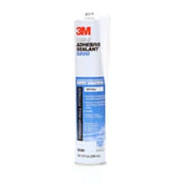
3M 5200 Polyurethane Adhesive Sealant: Uses, Benefits and Application Tips
3M 5200 is a high-strength, one-part polyurethane adhesive sealant commonly used in marine construction and repair. It bonds and seals in a single application, forming a durable, flexible joint designed to withstand exposure to water, weather and vibration. It is best known for applications where a strong, long-lasting bond is required—not where parts may need to be removed easily.
What is 3M 5200?
3M 5200 is a moisture-curing polyurethane compound. It cures as it reacts with moisture in the air and surrounding materials, developing into a tough elastomeric seal. The cured material remains flexible, helping the joint accommodate movement and vibration.
It is sold in different formats and colours, which may vary by market. Always check the product label and current technical data sheet to confirm the exact version, application guidance and cure information.
Common applications
The product is primarily associated with marine work, including bonding and sealing components on boats. Depending on the substrate and application, it may be used for:
- Sealing joints and fittings exposed to water or weather
- Bonding fibreglass, gelcoat, wood and certain metals
- Marine repair and construction projects requiring a durable, flexible bond
- Applications where the joint may experience vibration or movement
Compatibility can depend on the material’s finish, coatings and condition. Some plastics and other low-surface-energy materials may not bond reliably. Test the product on a small, inconspicuous area and consult the technical data sheet before use.
Key features
- Strong bond: Designed for demanding bonding and sealing applications.
- Flexible after curing: Helps accommodate movement and vibration.
- Water-resistant seal: Suitable for many marine applications when correctly applied and cured.
- One-part formulation: No separate mixing step is required.
- Versatile use: Can bond and seal in one operation on compatible surfaces.
Important consideration: it is difficult to remove
3M 5200 is known for forming a very strong, durable bond. This is an advantage for permanent installations, but it can make future disassembly difficult and may damage the parts or finish being separated. For removable fittings or components that may need servicing, consider a more suitable sealant or adhesive and follow the equipment manufacturer’s recommendations.
How to apply 3M 5200
- Prepare the surfaces: Ensure they are clean, dry and free from dust, oil, grease, old sealant and loose material. Use a cleaning method suitable for the substrate.
- Check compatibility: Confirm that the materials are suitable for bonding and follow any required preparation steps in the product instructions.
- Apply the sealant: Use a caulking gun or the appropriate applicator. Apply a consistent bead to the joint or bonding surface.
- Assemble and finish: Bring the parts together as instructed and smooth the bead before the sealant begins to skin over. Avoid disturbing the joint during curing.
- Allow sufficient cure time: Cure depends on conditions such as temperature, humidity, bead thickness and substrate. Follow the product label or technical data sheet before exposing the joint to service or water.
Safety and storage
Use the product in a well-ventilated area and wear suitable gloves and eye protection. Avoid skin and eye contact, and follow the safety data sheet for handling, clean-up and disposal. Store the container as directed on its label, and close it securely after use.
Is 3M 5200 right for your project?
3M 5200 may be a good choice when a strong, flexible and long-lasting bond or seal is needed, particularly in marine settings. It may not be the best option when easy removal, rapid turnaround or bonding to an untested material is important. Before starting, check substrate compatibility, the intended service conditions and the latest product instructions.
8 Essential Tips for Using 3M 5200 Polyurethane Adhesive Sealant
- Use 3M 5200 for strong, permanent marine bonding and sealing.
- Clean and dry surfaces before application; remove oil, dust and old sealant.
- Apply in a well-ventilated area and wear suitable gloves.
- Use masking tape for neat edges, and smooth the bead before it skins over.
- Allow ample curing time; thick beads and cool conditions can slow curing.
- Avoid using it where parts may need to be removed or serviced later.
- Check the product label for surface compatibility and application conditions.
- Store the tube sealed and follow the label’s safety and disposal instructions.
Use 3M 5200 for strong, permanent marine bonding and sealing.
Use 3M 5200 polyurethane adhesive sealant for strong, long-lasting bonding and sealing in marine applications exposed to water, weather and vibration. It is best suited to permanent installations, as the cured bond can be difficult to remove and may damage surfaces during disassembly. Ensure the surfaces are clean and compatible, and follow the product instructions for application and curing.
Clean and dry surfaces before application; remove oil, dust and old sealant.
Before applying 3M 5200 polyurethane adhesive sealant, make sure all surfaces are completely clean and dry. Remove oil, grease, dust, loose material and any old sealant, as residue can weaken adhesion and affect the quality of the bond. Follow the product instructions for a cleaning method suitable for the materials being joined, and allow the surfaces to dry fully before application.
Apply in a well-ventilated area and wear suitable gloves.
Apply 3M 5200 polyurethane adhesive sealant in a well-ventilated area to reduce exposure to vapours, and wear suitable gloves to protect your skin from contact with the product. Always follow the safety instructions on the product label and safety data sheet.
Use masking tape for neat edges, and smooth the bead before it skins over.
For a neat finish when applying 3M 5200 polyurethane adhesive sealant, place masking tape along both sides of the joint to create clean, even edges. Apply the sealant, then smooth the bead with a suitable tool before it begins to form a skin. Remove the tape carefully while the sealant is still workable, following the product instructions for best results.
Allow ample curing time; thick beads and cool conditions can slow curing.
Allow ample time for 3M 5200 polyurethane adhesive sealant to cure before exposing the joint to water, movement or service. Curing time can vary with temperature, humidity and application thickness; thick beads and cool conditions may slow the process considerably. Follow the product label or technical data sheet, and avoid disturbing the joint while it cures.
Avoid using it where parts may need to be removed or serviced later.
Avoid using 3M 5200 polyurethane adhesive sealant on parts that may need to be removed or serviced later. It forms a very strong, long-lasting bond, so separating the components can be difficult and may damage the parts or their finish. For removable fittings or components that require routine maintenance, choose a sealant designed for easier disassembly and check the manufacturer’s recommendations.
Check the product label for surface compatibility and application conditions.
Before using 3M 5200 polyurethane adhesive sealant, check the product label to confirm that it is suitable for the surfaces you plan to bond or seal. The label also provides important application conditions, including surface preparation, temperature and curing guidance. Following these instructions helps ensure a reliable bond and reduces the risk of application problems.
Store the tube sealed and follow the label’s safety and disposal instructions.
Store 3M 5200 polyurethane adhesive sealant with the tube securely sealed, following the storage guidance on the label to help prevent the product from drying out or leaking. Always read and follow the label’s safety instructions, including guidance on ventilation and personal protection, and dispose of unused product and packaging as directed by local regulations.