
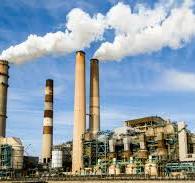
Factories: The Heart of Modern Industry
A factory is a place where raw materials and components are transformed into finished goods. From food and clothing to cars, medicines and electronic devices, factories help produce many of the items people use every day. They are an important part of the economy, creating jobs and supporting businesses across the supply chain.
How a Factory Works
Factory operations typically begin with the sourcing of raw materials. These materials are processed, assembled or packaged using a combination of machinery, technology and human expertise. The finished products are then checked for quality before being stored or sent to shops and customers.
Factories vary in size and function. Some make products in large quantities using automated production lines, while others rely on skilled workers to produce specialised goods in smaller batches. The right approach depends on the product, the materials involved and customer requirements.
Technology and Productivity
Modern factories increasingly use digital tools, robotics and automated systems to improve efficiency and consistency. Sensors can help monitor equipment, while production software can track materials and identify delays. These technologies may help manufacturers reduce errors, manage resources and respond more quickly to changes in demand.
Technology does not replace the need for people. Workers play an essential role in operating equipment, maintaining machinery, solving problems and ensuring that products meet required standards. Training helps employees work safely and make effective use of new systems.
Safety and Quality
A safe working environment is essential in every factory. Clear procedures, suitable protective equipment, regular maintenance and staff training can help reduce workplace risks. Employers also need to ensure that machinery and work areas are properly managed.
Quality control is another key part of manufacturing. Products may be inspected at different stages of production to check that they meet specifications. Consistent quality helps build customer confidence and reduces waste caused by defective goods.
Factories and Sustainability
Manufacturing uses energy, water and raw materials, so factories have an important role to play in reducing environmental impact. Measures such as improving energy efficiency, reusing materials, limiting waste and managing water responsibly can support more sustainable production.
Many businesses are also considering how products are designed, packaged and transported. Using resources carefully can benefit the environment while helping manufacturers manage costs over the long term.
The Role of Factories in India
Factories contribute to India’s economic development by producing goods for domestic use and export. They support employment not only within manufacturing facilities but also in related areas such as transport, maintenance, logistics and services. A strong manufacturing sector can encourage investment, develop skills and help local suppliers grow.
Looking Ahead
The factory of the future will combine skilled people with modern technology and responsible resource management. By investing in training, safety, innovation and sustainability, manufacturers can build efficient operations that meet changing needs. Factories will continue to be central to how products are made and how economies develop.
5 Essential Tips for a Safe and Organised Factory
- Wear safety gear on the factory floor.
- Keep machines clean and well maintained.
- Follow safety signs and instructions.
- Store tools and materials in their proper places.
- Report hazards to your supervisor promptly.
Wear safety gear on the factory floor.
Wear the correct safety gear whenever you are on the factory floor. Depending on the task, this may include a hard hat, safety glasses, gloves, ear protection and steel-toe footwear. Check that your equipment fits properly and is in good condition, and follow workplace instructions on when and how to use it. Safety gear helps protect you from common hazards, but it should always be used alongside safe work practices and awareness of your surroundings.
Keep machines clean and well maintained.
Keep machines clean and well maintained to support safe, efficient factory operations. Regular cleaning helps prevent dust, debris and residue from affecting performance, while routine inspections can identify wear or faults before they lead to breakdowns. Follow the manufacturer’s maintenance schedule, ensure only trained staff service equipment, and record cleaning and repair work. These simple practices can help extend machine life, reduce downtime and maintain consistent product quality.
Follow safety signs and instructions.
Always follow safety signs and instructions while working in a factory. They provide important guidance about hazards, restricted areas, protective equipment and safe operating procedures. Read signs carefully, follow instructions from supervisors and never ignore a warning. If a sign is unclear or missing, ask for guidance before proceeding. These simple steps help protect you and your colleagues from accidents and injuries.
Store tools and materials in their proper places.
Store tools and materials in their proper places after use to keep the factory floor tidy, safe and efficient. Clearly labelled storage areas make items easier to find, reduce the risk of trips and accidents, and help prevent tools or materials from being damaged or lost. A consistent storage routine also saves time and supports smooth day-to-day operations.
Report hazards to your supervisor promptly.
Report any hazards to your supervisor promptly, even if they seem minor. Spills, damaged equipment, blocked walkways or exposed wiring can put you and your colleagues at risk. Quick reporting allows the issue to be assessed and addressed before someone is injured. If there is an immediate danger, follow your factory’s safety procedures and keep others away from the area.