
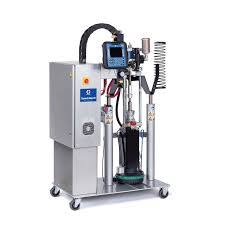
PUR Glue System: How It Works, Applications and Benefits
A PUR glue system uses polyurethane reactive (PUR) adhesive to create strong, durable bonds. PUR adhesives are commonly supplied as hot-melt products: they are heated until they can be applied, then cool to form an initial bond. Afterwards, they react with moisture in the air or in the materials being joined, curing further to create a stronger, more heat-resistant bond.
What Makes PUR Adhesive Different?
Conventional hot-melt adhesives generally set as they cool. PUR hot-melt adhesives also set on cooling, but continue to cure through a chemical reaction with moisture. This additional curing process gives them a combination of quick handling strength and long-term bond performance.
The term “PUR glue system” can refer to the adhesive as well as the equipment used to melt, transfer and apply it. The equipment is designed to manage the adhesive’s temperature and limit its exposure to moisture before application.
Key Components of a PUR Glue System
- Melter or applicator: Heats the adhesive to its specified processing temperature.
- Heated hose: Transfers the melted adhesive while helping maintain a consistent temperature.
- Application head: Applies the adhesive as a bead, film or pattern, depending on the process.
- Controls and sensors: Help operators monitor temperature and, in some systems, pressure and application settings.
- Moisture-management features: Sealed tanks and closures help prevent premature curing inside the equipment.
System design varies with the adhesive, production rate and application. Manufacturers’ instructions should be followed for equipment compatibility, temperature settings, cleaning and shutdown procedures.
How the Process Works
- The PUR adhesive is loaded into a compatible, sealed melter.
- The system heats it to the temperature recommended by the adhesive manufacturer.
- The melted adhesive is delivered through a heated hose to the application head.
- The adhesive is applied to one or both surfaces, and the parts are brought together within the specified open time.
- The adhesive cools and develops initial strength. It then continues to cure as it reacts with moisture.
The time needed to reach final performance depends on the adhesive formulation, temperature, humidity, materials being bonded and joint design. Production planning should account for both the initial setting time and the longer curing period.
Common Applications
PUR glue systems are used in many manufacturing and assembly processes where strong bonds and resistance to heat or moisture are important. Applications may include:
- Furniture, woodworking and edge-banding
- Automotive interior components and trim
- Textile and footwear assembly
- Panel, insulation and construction-product manufacture
- Bookbinding and packaging
- Assembly of selected plastic, metal, fabric and composite components
The suitability of a PUR adhesive depends on the specific materials, surface treatments and operating conditions. Testing is recommended before introducing a new adhesive into production.
Advantages of a PUR Glue System
- Strong bonds: Continued curing can produce durable bonds across a range of substrates.
- Fast initial setting: Cooling provides early handling strength, which can support efficient production.
- Resistance: Many PUR formulations offer good resistance to heat, moisture and ageing once fully cured.
- Thin bond lines: Certain applications can be completed with a relatively small amount of adhesive.
- Process flexibility: Systems may apply adhesive in different patterns to suit the product and production line.
Important Operating Considerations
PUR adhesives are sensitive to moisture before application. Exposure can cause the adhesive to cure inside the package or equipment, potentially leading to blocked components and unplanned downtime. Keep containers sealed, use compatible equipment and follow the supplier’s guidance on storage and handling.
Temperature control is also important. Operating outside the recommended range can affect adhesive viscosity, bond quality and equipment performance. Operators should use the specified settings and avoid leaving adhesive heated for longer than necessary.
Once cured, PUR adhesive may be difficult to remove. Cleaning methods must be suitable for the adhesive and equipment, and should be carried out according to the manufacturer’s instructions. Uncured material and contaminated cleaning products should be handled and disposed of in line with the product safety data sheet and local requirements.
Health and Safety
Hot PUR adhesive can cause serious burns. Appropriate personal protective equipment, safe handling procedures and safeguards around heated components are essential. Some PUR products may contain reactive isocyanate components, so the product’s safety data sheet must be reviewed before use. Provide suitable ventilation and follow all supplier and workplace safety requirements.
Choosing the Right System
When selecting a PUR glue system, consider the materials to be bonded, required production speed, application pattern, adhesive consumption, curing conditions and expected service environment. Confirm that the adhesive and equipment are compatible, and consult the adhesive and equipment suppliers about process settings and maintenance.
With the right adhesive, equipment and operating practices, a PUR glue system can provide a reliable bonding solution for demanding industrial applications.
5 Essential Tips for Safe and Efficient PUR Glue System Operation
- Use only PUR adhesive recommended for your system.
- Keep the glue tank and hoses dry and sealed.
- Follow the specified temperature and pressure settings.
- Wear gloves and eye protection when handling hot adhesive.
- Clean the system as per the manufacturer’s instructions.
Use only PUR adhesive recommended for your system.
Use only PUR adhesive recommended by the manufacturer for your glue system. Different adhesives may require specific temperatures, viscosity settings and handling procedures; using an incompatible product can affect bond quality, damage equipment or cause blockages as the adhesive cures. Check the equipment manual and the adhesive’s technical and safety data sheets before use.
Keep the glue tank and hoses dry and sealed.
Keep the glue tank and hoses dry and sealed when using a PUR glue system, as moisture can cause the adhesive to cure prematurely inside the equipment. This may lead to blockages, inconsistent application and costly downtime. Close containers and system openings promptly, and follow the manufacturer’s instructions for storage and maintenance.
Follow the specified temperature and pressure settings.
Follow the specified temperature and pressure settings when operating a PUR glue system to help ensure consistent adhesive flow and reliable bonding. Incorrect settings can affect the adhesive’s viscosity, open time and curing performance, leading to weak bonds, uneven application or equipment issues. Always refer to the adhesive and equipment manufacturers’ instructions, and check the settings before starting production.
Wear gloves and eye protection when handling hot adhesive.
Wear suitable gloves and eye protection when handling a PUR glue system, particularly during adhesive loading, application and cleaning. Hot PUR adhesive can cause severe burns if it splashes or comes into contact with the skin, while accidental splashes may injure the eyes. Follow the adhesive manufacturer’s safety instructions and use protective equipment designed for the task.
Clean the system as per the manufacturer’s instructions.
Clean the PUR glue system strictly as per the manufacturer’s instructions to prevent cured adhesive from building up in the melter, hoses or application head. Use only recommended cleaning products and follow the prescribed procedure, as unsuitable solvents or methods can damage equipment and affect bond quality. Always follow safety guidance, including the use of appropriate protective equipment, and ensure the system is handled safely while hot.