
PU Foam Gaskets: Uses, Benefits and Selection Guide
A polyurethane (PU) foam gasket is a compressible sealing component made from polyurethane foam. It is used to fill gaps between two surfaces, helping to limit the passage of dust, air, moisture, light and, in some designs, sound or vibration. PU foam gaskets are available in different densities, thicknesses, cell structures and formats, making them suitable for a wide range of industrial and commercial applications.
What Is a PU Foam Gasket?
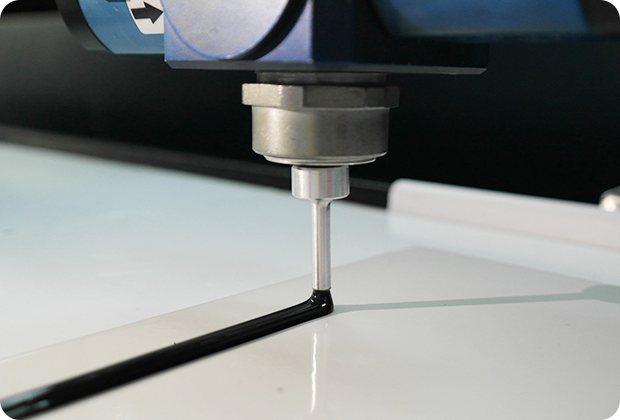
PU foam is formed by reacting polyols with isocyanates. The manufacturing process creates a cellular material that can be soft and flexible or firmer and more supportive, depending on its formulation and structure. Foam can be converted into gasket strips, sheets, die-cut shapes or custom profiles. It may also be supplied with a pressure-sensitive adhesive backing for easier fitting.
The right gasket depends on the gap, compression required and conditions in which it will be used. A foam gasket should generally be compressed enough to seal the joint, but not so much that it becomes damaged or loses its ability to recover.
Open-Cell and Closed-Cell Foam
- Open-cell PU foam: Its interconnected cells make it soft and highly compressible. It can be useful for cushioning, sound absorption and applications where a very conformable seal is needed. However, it may allow air or moisture to pass through unless treated, coated or otherwise designed for sealing.
- Closed-cell PU foam: Its cells are more enclosed, so it generally offers better resistance to water and air passage than open-cell foam. It is often considered for environmental sealing, subject to the material’s specific construction and test results.
Cell structure alone does not guarantee performance. Coatings, facings, adhesives, foam density and manufacturing quality can all affect how a gasket performs.
Key Benefits
- Compressibility: Foam can conform to uneven surfaces and help bridge small gaps.
- Light weight: PU foam adds little weight to an assembly.
- Customisation: It can be supplied in different thicknesses, shapes, densities and adhesive formats.
- Vibration and noise control: Depending on the grade and design, foam can help cushion components and reduce vibration or sound transmission.
- Ease of fitting: Adhesive-backed strips can simplify positioning, particularly during assembly.
Common Applications
PU foam gaskets are used in a variety of settings, including:
- Electrical enclosures, control panels and equipment cabinets
- Automotive and transport components
- HVAC equipment and air-handling assemblies
- Appliances and electronic equipment
- Lighting housings and general industrial machinery
- Packaging, cushioning and vibration-isolation assemblies
The required performance can differ significantly between applications. A gasket used to reduce dust ingress, for example, may not be suitable for a joint exposed to standing water, high temperatures or aggressive chemicals.
How to Choose the Right PU Foam Gasket
Before selecting a gasket, consider the following factors:
- Gap size and surface condition: Measure the joint and note any unevenness, movement or surface irregularities.
- Compression range: Check the manufacturer’s guidance for the recommended compression. Excessive compression can cause permanent deformation, while insufficient compression may leave a leak path.
- Exposure conditions: Identify whether the gasket will face water, dust, UV exposure, oil, cleaning products or temperature changes.
- Required sealing performance: Define whether the application needs a dust seal, weather seal, air seal, acoustic treatment or another function. Request test data for critical requirements.
- Foam structure and density: Choose a grade that balances flexibility, support, recovery and sealing needs.
- Adhesive requirements: If using an adhesive-backed gasket, check compatibility with the surface material, temperature and service environment.
- Fire and regulatory requirements: Where relevant, confirm that the exact foam and adhesive meet the applicable standards for the finished product.
Installation Tips
For a reliable seal, clean and dry the mounting surface before fitting the gasket. Position the strip without stretching it, as tension can cause it to pull away or alter its dimensions. Avoid gaps at joints and corners, and follow the supplier’s instructions for minimum bend radii, adhesive application and compression.
After installation, check that the gasket is seated evenly and that the assembled parts apply consistent pressure. For critical equipment, validation under real operating conditions is recommended.
Limitations to Consider
Not all PU foam grades are suitable for prolonged exposure to sunlight, high temperatures, water, oils or solvents. Some grades may absorb moisture or undergo compression set over time. Compression set is the permanent loss of thickness after the foam has been compressed for a period. These factors can reduce sealing performance, so material selection should be based on the actual service conditions rather than appearance or initial softness alone.
Conclusion
PU foam gaskets offer a versatile option for sealing, cushioning and vibration control. Their effectiveness depends on choosing the appropriate foam structure, thickness, density and adhesive for the application. Reviewing operating conditions and confirming performance with the supplier can help ensure the gasket provides a dependable fit throughout its intended service life.
PU Foam Gaskets: 8 Frequently Asked Questions Answered
- What is a PU foam gasket?
- What are PU foam gaskets commonly used for?
- What is the difference between open-cell and closed-cell PU foam gaskets?
- How do I choose the right thickness and density for a PU foam gasket?
- Are PU foam gaskets waterproof and dustproof?
- Can PU foam gaskets withstand heat, sunlight, oils and chemicals?
- How should a PU foam gasket be installed for an effective seal?
- How long does a PU foam gasket last, and what affects its service life?
What is a PU foam gasket?
A PU foam gasket is a sealing component made from polyurethane foam. It is fitted between two surfaces to help close gaps and reduce the passage of dust, air, moisture or light. Available in different thicknesses, densities and cell structures, PU foam gaskets can be cut into custom shapes and may include an adhesive backing for easier installation. The right type depends on the gap, compression required and conditions in which the gasket will be used.
What are PU foam gaskets commonly used for?
PU foam gaskets are commonly used to seal gaps between surfaces and help reduce the entry of dust, air and moisture, depending on the foam grade and design. They are found in electrical enclosures, control panels, automotive components, appliances, HVAC equipment and industrial machinery. Their compressibility also makes them useful for cushioning parts and helping to reduce vibration or noise. The right gasket should be selected according to the gap size and the conditions it will face, as not every PU foam grade is suitable for exposure to water, heat, sunlight or chemicals.
What is the difference between open-cell and closed-cell PU foam gaskets?
Open-cell PU foam gaskets have interconnected pores, making them soft, flexible and highly compressible; they can also help absorb sound and cushion components. However, their porous structure may allow air or moisture to pass through unless the foam is specially treated or faced. Closed-cell PU foam gaskets have largely enclosed cells, so they generally offer better resistance to water and air passage and are often used for environmental sealing. The best choice depends on the required sealing performance, compression, exposure conditions and the manufacturer’s specifications, as performance can vary between foam grades.
How do I choose the right thickness and density for a PU foam gasket?
To choose the right thickness and density for a PU foam gasket, first measure the gap between the mating surfaces, including any unevenness, and check the foam supplier’s recommended compression range. The gasket should be thick enough to bridge the gap and compress sufficiently to form a seal, without being crushed beyond its recommended limit. Density affects firmness, support and how readily the foam compresses, so select a grade that suits the required sealing pressure and the movement or load in the assembly. Also consider exposure to moisture, temperature, chemicals and repeated compression, as these can affect performance over time. For critical applications, consult the manufacturer’s technical data and test the gasket in the finished assembly.
Are PU foam gaskets waterproof and dustproof?
PU foam gaskets can help keep out dust and moisture, but their performance depends on the foam’s cell structure, density, coating and how well the gasket is fitted and compressed. Closed-cell PU foam is generally more suitable for water and dust sealing than open-cell foam, which may allow moisture and air to pass through. However, not every PU foam gasket is fully waterproof or suitable for prolonged water exposure. Check the manufacturer’s specifications and test data against the conditions in which the gasket will be used.
Can PU foam gaskets withstand heat, sunlight, oils and chemicals?
PU foam gaskets can withstand heat, sunlight, oils and chemicals only within the limits of their specific formulation. Standard PU foam may degrade or lose sealing performance when exposed to high temperatures, prolonged sunlight or UV radiation, and certain oils, solvents or chemicals. For outdoor or demanding applications, check the manufacturer’s temperature and chemical-resistance data for the exact foam and adhesive, and test the gasket under expected service conditions before use.
How should a PU foam gasket be installed for an effective seal?
For an effective seal, clean and dry both mating surfaces before installation, removing dust, oil and other contaminants. Measure and cut the PU foam gasket accurately, then position it without stretching or twisting it; ensure corners and joints meet neatly, with no gaps. If the gasket has an adhesive backing, press it firmly onto the surface and follow the manufacturer’s instructions for bonding and curing. When assembling the parts, apply even pressure and compress the foam within the supplier’s recommended range—too little compression may leave gaps, while too much can damage the foam or reduce its ability to recover.
How long does a PU foam gasket last, and what affects its service life?
The service life of a PU foam gasket varies with its grade, design and operating conditions, so there is no single lifespan that applies to every application. Factors such as heat, sunlight and UV exposure, moisture, chemicals, repeated compression, vibration and the amount of compression can affect how quickly the foam deteriorates or develops compression set. Correct sizing, suitable material selection, proper installation and regular inspection can help extend its useful life. For critical applications, follow the manufacturer’s recommendations and replace the gasket if it becomes cracked, permanently flattened, brittle or no longer seals effectively.