
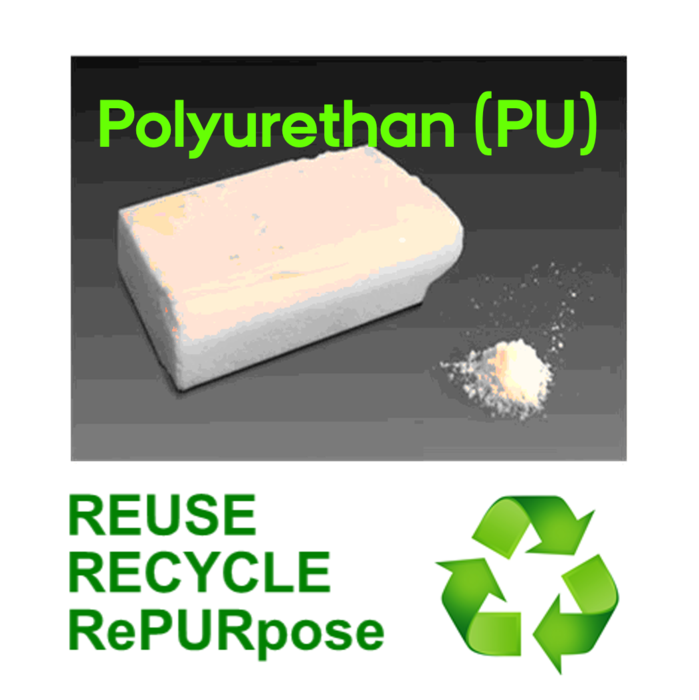
Recycled Polyurethane: Turning Waste into Useful Resources
Polyurethane (PU) is a versatile material used in products such as mattresses, furniture, footwear, insulation, automotive components, coatings and adhesives. Its durability and range of properties make it valuable across many industries. However, these same qualities can make discarded polyurethane difficult to manage. Recycling offers ways to recover materials and reduce the amount of PU sent to landfill or for disposal.
What is recycled polyurethane?
Recycled polyurethane is material recovered from manufacturing waste or used products and processed for reuse. The approach depends on the type of polyurethane, how it was made, its condition and whether it is mixed with other materials. Flexible foam, rigid insulation foam, elastomers and PU coatings may require different recycling methods.
How polyurethane is recycled
Mechanical recycling
Mechanical recycling involves physical processing, such as sorting, shredding, grinding or rebonding. For example, pieces of flexible PU foam can be bonded together to produce rebonded foam for applications such as carpet underlay, mats and cushioning. Ground PU may also be incorporated into composite products or used as a filler, depending on its properties and the intended application.
This method can be relatively straightforward, but the recycled material may not perform exactly like the original. Contamination, mixed materials and changes in foam quality can affect its suitability for particular uses.
Chemical recycling
Chemical recycling uses processes that break polyurethane down into smaller chemical components or intermediate materials. These may be processed further and used in the production of new materials. Examples of chemical approaches include glycolysis, hydrolysis and other forms of depolymerisation.
Chemical recycling can potentially recover useful feedstocks from certain PU waste streams. Its practical use depends on factors such as the composition and cleanliness of the waste, process efficiency, energy requirements, economics and the quality of the recovered material.
Reuse and refurbishment
In some cases, a product can be reused, repaired or refurbished before its material is recycled. Extending the life of a mattress, piece of furniture or insulated component can help retain the value of the product and delay the need for disposal.
Benefits and challenges
Recycling polyurethane can help conserve resources, reduce waste and support more circular material flows. It may also reduce demand for virgin raw materials, depending on the recycling process and the amount of recovered material used in new products.
There are, however, practical challenges. PU products are often bonded to fabrics, metals, wood, adhesives or other polymers, making separation difficult. Waste can also vary considerably in composition and condition. Collection, sorting and transport systems need to be suitable for bulky items such as mattresses and insulation panels. Recycling technologies must also meet relevant performance, safety and environmental requirements.
Designing for better recycling
Improving recycling begins before a product reaches the end of its useful life. Design choices can make products easier to repair, dismantle and separate into material streams. Clear information about material composition can support sorting, while durable products and take-back arrangements can help improve collection. Manufacturers, recyclers, retailers, public authorities and consumers all have a role to play.
The way forward
Recycled polyurethane is not a single material or solution. It includes a range of recovered materials produced through different routes, each suited to particular applications. Continued investment in collection, sorting, recycling technologies and product design can help increase the value recovered from PU waste.
By combining reuse, mechanical recycling and suitable chemical recycling methods, the polyurethane value chain can make progress towards more responsible resource use. The most effective approach will depend on the product, the available infrastructure and the quality requirements of its next application.
Recycled Polyurethane in India: 8 Frequently Asked Questions
- What is recycled polyurethane?
- How is polyurethane recycled?
- What products can be made from recycled polyurethane?
- Can recycled polyurethane be used in mattresses and furniture?
- Is recycled polyurethane as durable as virgin polyurethane?
- Can all types of polyurethane be recycled?
- What are the environmental benefits of recycling polyurethane?
- How should polyurethane products be disposed of for recycling in India?
What is recycled polyurethane?
Recycled polyurethane is polyurethane recovered from manufacturing waste or discarded products and processed for reuse. Depending on the material and its condition, it may be shredded or rebonded for use in products such as cushioning and underlay, or broken down through chemical processes into components for making new materials. The recycling method and resulting applications vary according to the type of polyurethane and the quality of the recovered material.
How is polyurethane recycled?
Polyurethane is recycled using methods suited to its type and condition. Mechanical recycling involves sorting, shredding or grinding the material so it can be reused in products such as rebonded foam, mats or composite materials. Chemical recycling breaks polyurethane down into smaller chemical components that may be processed for use in new materials. Where possible, products can also be repaired, refurbished or reused before recycling. The best method depends on factors such as the polyurethane’s composition, contamination and the recycling facilities available.
What products can be made from recycled polyurethane?
Recycled polyurethane can be used to make a range of products, depending on the type and quality of the recovered material. Rebonded foam made from scraps of flexible PU foam is commonly used in carpet underlay, gym mats, cushioning and some furniture components. Ground or processed polyurethane may also be incorporated into flooring, insulation products, automotive parts and other composite materials. The suitability of recycled PU for each application depends on factors such as its composition, cleanliness and performance requirements.
Can recycled polyurethane be used in mattresses and furniture?
Yes, recycled polyurethane can be used in mattresses and furniture, depending on its quality, composition and intended application. Recycled PU foam is commonly processed into rebonded foam for cushioning, mattress support layers, carpet underlay and furniture components. It may also be incorporated into other cushioning products. The material should meet applicable performance, durability and safety requirements, so suitability varies by product and manufacturer.
Is recycled polyurethane as durable as virgin polyurethane?
Recycled polyurethane can be durable, but its performance depends on the recycling process, the quality of the recovered material and how it is used. Some recycled PU products, such as rebonded foam, are well suited to specific applications, though they may not match virgin polyurethane in every property. For demanding uses, manufacturers test the material against relevant performance and safety requirements before selecting it.
Can all types of polyurethane be recycled?
Not all types of polyurethane can be recycled in the same way, and recycling options vary depending on the material’s composition, form and condition. Flexible foams, rigid foams, elastomers and coatings may require different processes, while products bonded to fabrics, metals or other materials can be difficult to separate. Some polyurethane can be mechanically recycled, chemically processed or reused, but suitable collection and recycling facilities may not be available everywhere.
What are the environmental benefits of recycling polyurethane?
Recycling polyurethane helps reduce the amount of waste sent to landfill and can conserve resources by returning recovered material to useful applications. Depending on the product and recycling method, it may also reduce demand for virgin raw materials and the environmental impacts associated with producing them. By supporting reuse and material recovery, recycling can contribute to a more circular approach to polyurethane; the actual benefits vary with collection, transport, processing and the quality of the recycled material.
How should polyurethane products be disposed of for recycling in India?
In India, keep polyurethane products separate from wet and general household waste, and check with your local municipal body or an authorised waste-management service about collection and recycling options. For bulky items such as mattresses, furniture or insulation, ask the seller or manufacturer about take-back programmes, or contact a recycler that accepts that specific type of polyurethane. Keep the material as clean and dry as possible, and do not burn it or dump it in the open, as this can cause environmental and health risks.