
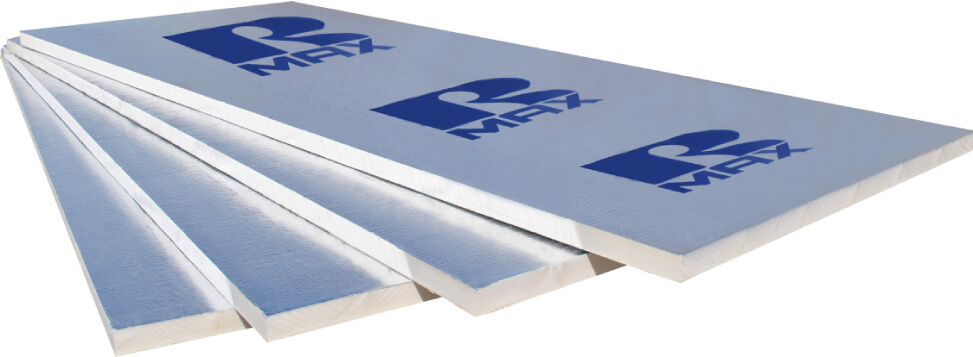
Rigid Foam Insulation: A Guide to Materials, Uses and Benefits
Rigid foam insulation is a lightweight building material designed to slow the movement of heat through walls, roofs, floors and other parts of a building. Supplied as boards, panels or spray-applied foam, it can help improve indoor comfort and reduce the energy needed for heating and cooling. The right product depends on the building design, climate, application and fire-safety requirements.
What is rigid foam insulation?
Rigid foam insulation consists of a cellular material containing many small pockets of gas. These pockets limit heat transfer, giving the material its insulating performance. Some products are made as factory-produced boards, while others are applied as foam that expands and hardens in place.
Polyurethane (PUR) and polyisocyanurate (PIR) are widely used rigid foam insulation materials. Other common options include expanded polystyrene (EPS) and extruded polystyrene (XPS). Their properties differ, so products should be compared using their declared performance and suitability for the intended application.
Where is it used?
Rigid foam insulation is used in a range of residential, commercial and industrial settings, including:
- Roofs and terraces
- External and internal walls
- Floors and foundations
- Cold rooms and refrigerated facilities
- Insulated building panels and service enclosures
- Industrial equipment and pipework, where suitable products are specified
Boards can be fitted between or over structural elements, while some foam systems are applied directly to a surface. Installation details vary by product and should follow the manufacturer’s instructions and the building design.
Key benefits
Effective thermal performance
Rigid foam can provide substantial insulation in a relatively compact thickness. This can be useful where space is limited, although the performance of the complete assembly also depends on joints, fixings, air leakage and thermal bridges.
Lightweight and versatile
Many rigid foam products are easy to handle and can be cut or shaped for specific areas. Certain products are available with facings or as part of composite panels, allowing insulation to be incorporated into different construction systems.
Improved comfort and energy use
When correctly designed and installed, insulation can help reduce unwanted heat gain and heat loss. In India, this may contribute to more comfortable indoor spaces and lower cooling or heating demand, depending on the building, local climate, occupancy and equipment.
Moisture-management options
Some foam products have low water absorption, but this does not make every insulated wall or roof waterproof. Moisture control depends on the entire assembly, including drainage, vapour control, weather protection and ventilation where required.
Choosing the right product
Before selecting rigid foam insulation, consider the following:
- Application: Choose a product intended for the specific location, such as a roof, wall, floor or cold-room panel.
- Thermal performance: Compare declared thermal conductivity or resistance values, taking account of the thickness and the complete construction.
- Moisture exposure: Assess the risk of rain, condensation, ground moisture and water ingress.
- Fire safety: Check applicable building requirements and the tested fire performance of the complete assembly. Insulation should not be selected on a material description alone.
- Compatibility: Confirm that adhesives, membranes, sealants and facings are suitable for the insulation product.
- Durability and service conditions: Consider temperature, loads, UV exposure and any chemicals the product may encounter.
- Installation quality: Poorly sealed joints or gaps can reduce the effectiveness of an otherwise suitable product.
Installation and safety
Good installation is essential. Boards should be fitted with carefully aligned joints, and gaps and penetrations should be treated using compatible materials. Roofs and walls should be designed to manage rainwater and condensation, and insulation should not obstruct drainage or ventilation paths specified by the design.
Some rigid foam products require protection from direct sunlight, heat or fire. They may need to be covered by an appropriate lining or roof build-up. Follow the product documentation, local building regulations and the guidance of a qualified designer or installer. During cutting or installation, use suitable personal protective equipment and follow the manufacturer’s safety instructions. Spray-applied systems should be installed by trained professionals with appropriate ventilation and controls.
Environmental considerations
Insulation can reduce energy demand during a building’s use, but its overall environmental impact also depends on how it is manufactured, transported, installed, maintained and disposed of. Product lifespan, recycled content, local recovery options and the energy sources used by the building are all relevant considerations. Designing for durability and avoiding unnecessary material waste can improve the overall outcome.
Conclusion
Rigid foam insulation is a versatile option for improving the thermal performance of buildings and specialist facilities. PUR and PIR are among the available materials, alongside EPS and XPS, each with different characteristics. Careful product selection, sound moisture and fire-safety design, and high-quality installation are essential to achieve reliable performance over the life of the building.
8 Essential Tips for Installing Rigid Foam Insulation
- Choose foam thickness based on your local climate and building design.
- Seal board joints to reduce air leakage and heat gain.
- Use adhesives compatible with the foam type.
- Protect foam from direct sunlight and weather exposure.
- Add a suitable fire-protective lining where required.
- Keep insulation dry during storage and installation.
- Fit boards snugly around pipes, corners and openings.
- Follow local building codes and the manufacturer’s instructions.
Choose foam thickness based on your local climate and building design.
Choose the thickness of rigid foam insulation to suit your local climate and the building’s design. The right thickness depends on factors such as seasonal temperatures, the part of the building being insulated, available space and the performance of the complete wall, roof or floor assembly. A qualified building professional can help balance thermal performance, moisture control and cost, while ensuring the insulation works with other materials in the construction.
Seal board joints to reduce air leakage and heat gain.
Seal the joints between rigid foam insulation boards carefully to minimise air leakage and unwanted heat gain. Even small gaps can allow warm air to pass through, reducing insulation effectiveness and making indoor spaces harder to keep comfortable. Use a compatible tape or sealant recommended by the manufacturer, and pay particular attention to corners, edges and areas around pipes or other openings.
Use adhesives compatible with the foam type.
Choose an adhesive that is specifically compatible with the type of rigid foam insulation being installed, such as PUR, PIR, EPS or XPS. Some solvent-based adhesives can damage or dissolve foam, while an unsuitable product may fail to bond properly. Check the insulation and adhesive manufacturers’ instructions, and confirm compatibility with any facings or substrate before installation.
Protect foam from direct sunlight and weather exposure.
Protect rigid foam insulation from direct sunlight and weather exposure, as prolonged UV exposure, rain and temperature changes can damage or affect the material’s performance. Cover it with a suitable protective layer, such as the specified cladding, membrane or roofing system, as soon as practical after installation. Follow the manufacturer’s guidance to ensure the covering is compatible and properly fitted.
Add a suitable fire-protective lining where required.
Where required by building regulations or the insulation system’s design, cover rigid foam insulation with a suitable fire-protective lining. The lining helps protect the foam from heat and flames, but its effectiveness depends on the complete assembly and correct installation. Choose compatible materials, seal joints and penetrations as specified, and follow the product manufacturer’s instructions and local fire-safety requirements.
Keep insulation dry during storage and installation.
Keep rigid foam insulation dry during storage and installation to help protect its performance and ensure it bonds or fits as intended. Store boards off the ground, under cover and away from rain, standing water and damp surfaces. Before fitting, check that the insulation and the surface are dry, and follow the manufacturer’s guidance if the material becomes wet. Proper handling helps prevent moisture from being trapped within the building assembly.
Fit boards snugly around pipes, corners and openings.
Fit rigid foam insulation boards snugly around pipes, corners and openings to minimise gaps where heat can escape or enter. Measure and cut the boards carefully, then seal any remaining small gaps with a compatible sealant or expanding foam, following the product manufacturer’s instructions. Take care not to damage pipes or obstruct drainage and ventilation paths.
Follow local building codes and the manufacturer’s instructions.
Always follow local building codes and the manufacturer’s instructions when selecting and installing rigid foam insulation. Requirements can vary by location and application, particularly for fire safety, moisture control and protective coverings. Correct installation helps the insulation perform as intended and supports the safety and durability of the building. When in doubt, consult a qualified building professional.