
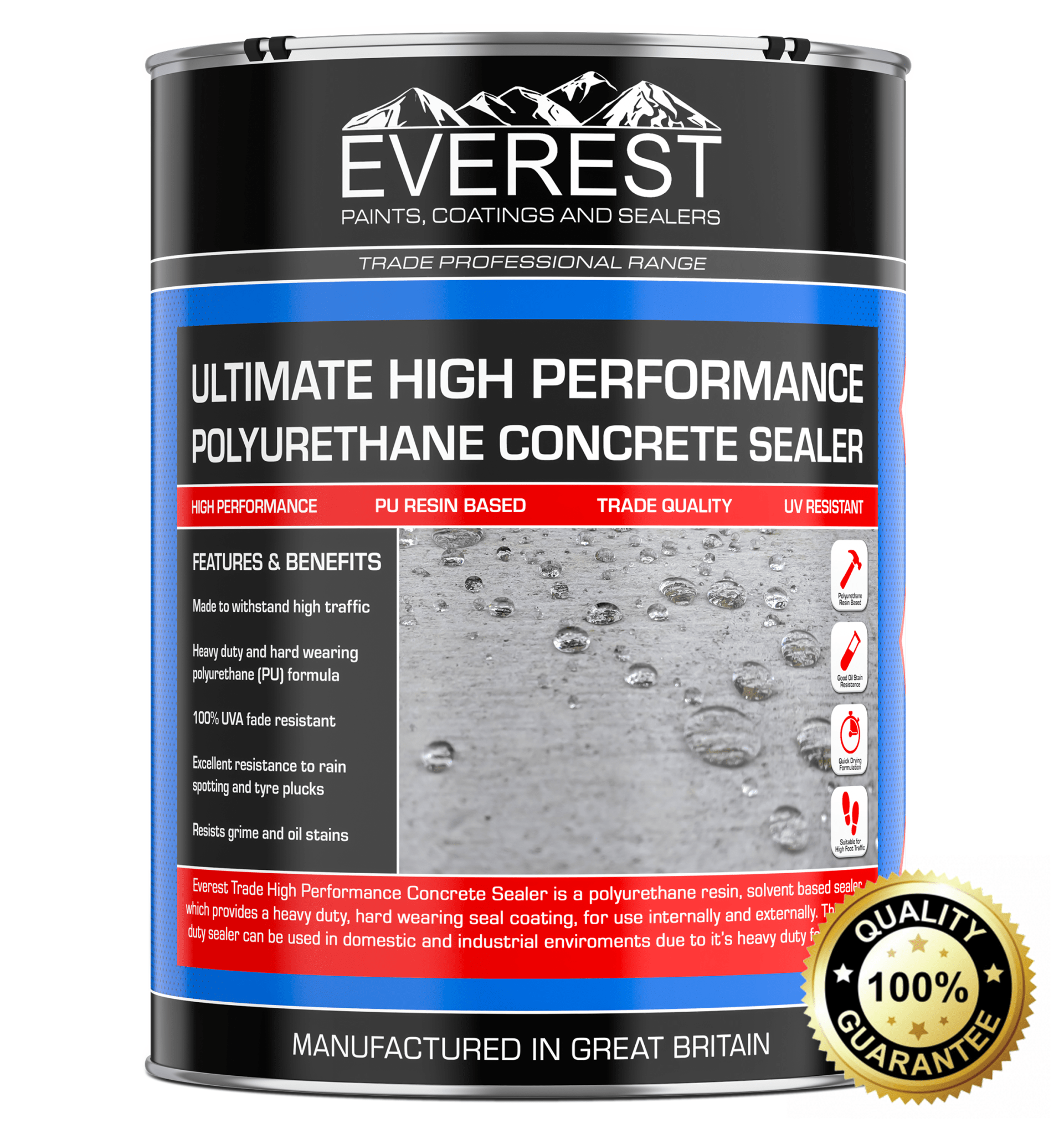
Polyurethane Cement Sealant: Uses, Benefits and Application
Polyurethane cement sealant is a specialised material used to seal joints and protect surfaces in demanding environments. It combines the flexibility and adhesion associated with polyurethane with the durability of cement-based systems. Depending on the product, it may be supplied as a sealant for joints or as part of a polyurethane-cement flooring system. These products are not interchangeable, so it is important to check the manufacturer’s description and intended use.
What Is Polyurethane Cement Sealant?
Polyurethane sealants are typically elastic materials used to fill gaps and joints. They bond to suitable substrates and can accommodate some movement caused by temperature changes, vibration or structural movement. Polyurethane-cement systems, by contrast, are commonly used as robust floor coatings in industrial and commercial settings. Some projects use both: a polyurethane sealant for joints and a polyurethane-cement coating for the surrounding floor.
Where Is It Used?
Depending on the formulation, polyurethane sealant may be suitable for joints in concrete, masonry and other construction materials. Common applications include:
- Movement and construction joints in concrete floors
- Joints in factories, warehouses and workshops
- Food-processing and commercial kitchen areas, where the specified system meets hygiene and chemical-resistance requirements
- Sealing around selected building components and service penetrations
- Repairs and maintenance in industrial environments
For floors exposed to heavy traffic, aggressive chemicals, hot wash-downs or frequent cleaning, the complete flooring system—including the joint treatment—must be designed for those conditions.
Key Benefits
- Flexibility: A suitable polyurethane sealant can accommodate a specified amount of joint movement.
- Adhesion: It can bond to compatible, properly prepared substrates.
- Durability: Correctly selected products can withstand everyday wear and environmental exposure.
- Resistance: Performance against water, chemicals, abrasion and temperature varies by product and should be confirmed from its technical data sheet.
- Versatility: Sealants are available for different joint sizes, substrates and service conditions.
How to Select the Right Product
Before choosing a polyurethane sealant, consider the joint’s width and depth, the expected movement, the substrate, and the conditions the sealed area will face. Factors such as chemical exposure, standing water, sunlight, temperature and traffic can affect performance. Check whether a primer is required and whether the sealant is compatible with any adjoining coating or polyurethane-cement flooring.
Always consult the product’s technical data sheet and safety data sheet. If the application is in a food, pharmaceutical or other regulated facility, confirm that the complete system is suitable for the relevant operational and compliance requirements.
Application: Preparation Matters
Good preparation is essential for reliable sealing. The joint should be clean and free from dust, oil, loose material and other contaminants. Damaged edges may need repair, and the joint should be dry if the product instructions require a dry surface. A backing rod may be used to control sealant depth and prevent three-sided adhesion, where appropriate. Apply primer only when specified by the manufacturer.
Apply the sealant evenly, ensuring it makes proper contact with the joint faces. Tool the surface as directed and protect it from water, dust and traffic during the stated curing period. Application temperature, humidity, joint dimensions and curing time can all affect the finished result.
Common Mistakes to Avoid
- Using a flooring compound as a joint sealant, or a sealant as a floor topping
- Applying the product to a contaminated or unsuitable surface
- Ignoring joint movement or choosing the wrong sealant depth
- Skipping primer or backing material when the product system requires them
- Allowing traffic or cleaning before the sealant has cured
- Assuming all polyurethane products have the same chemical or temperature resistance
Maintenance and Service Life
Inspect sealed joints periodically, particularly in areas exposed to heavy traffic, cleaning chemicals or repeated temperature changes. Look for cracking, loss of adhesion, gaps or damage to the joint edges. The service life depends on the product, joint design, installation quality and operating conditions. Repair or replacement should follow the manufacturer’s recommendations.
Conclusion
Polyurethane cement sealant can be an effective solution for sealing joints in demanding environments when the product is correctly selected and installed. The key is to distinguish a flexible joint sealant from a polyurethane-cement flooring system, then match each component to the substrate, movement and service conditions. Manufacturer guidance and proper surface preparation are central to achieving a durable result.
5 Essential Tips for Applying Polyurethane Cement Sealant
- Clean the joint and remove dust, oil, and loose material.
- Check the label for primer and surface-moisture requirements.
- Use a backer rod in deep joints to control sealant depth.
- Apply evenly and smooth the bead before it skins over.
- Allow full curing before painting or exposing it to traffic.
Clean the joint and remove dust, oil, and loose material.
Before applying polyurethane cement sealant, clean the joint thoroughly to help the product bond properly. Remove dust, oil, grease and any loose or deteriorated material, using suitable tools and cleaning methods for the substrate. Allow the joint to dry if required by the manufacturer, and check that no residue remains before application.
Check the label for primer and surface-moisture requirements.
Before applying a polyurethane cement sealant, check the product label and technical data sheet for primer instructions and surface-moisture limits. Some products require a specific primer, while others may be applied directly to the substrate; moisture requirements can also vary. Following these instructions helps support proper adhesion and reduces the risk of premature failure.
Use a backer rod in deep joints to control sealant depth.
For deep joints, insert a suitably sized backer rod before applying polyurethane sealant. It helps control the sealant’s depth, supports an even finish and prevents the sealant from bonding to the bottom of the joint. This allows the sealant to stretch and compress more effectively as the joint moves. Choose a backer rod compatible with the sealant and follow the manufacturer’s guidance on joint dimensions and installation.
Apply evenly and smooth the bead before it skins over.
Apply the polyurethane cement sealant evenly along the joint, keeping a steady pace to create a consistent bead without gaps or air pockets. Smooth the bead with a suitable tool before the sealant begins to form a skin, so it bonds well to the joint edges and leaves a neat, even finish. Follow the product instructions for tooling and use any recommended protective equipment.
Allow full curing before painting or exposing it to traffic.
Allow the polyurethane cement sealant to cure fully before painting over it or exposing it to foot or vehicle traffic. Premature coating or use can interfere with adhesion, damage the sealant or reduce its performance. Curing time varies with the product, temperature, humidity and joint conditions, so follow the manufacturer’s instructions before proceeding.