
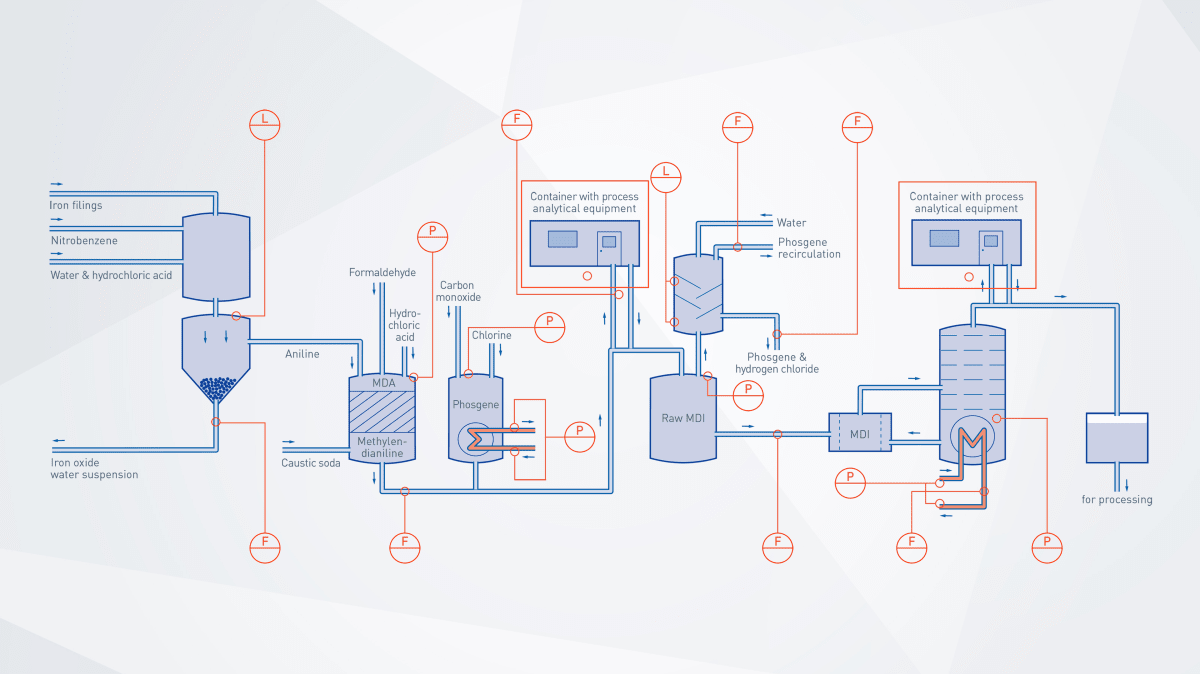
Polyurethane Foam Manufacturing Process
Polyurethane (PU) foam is a versatile material used in mattresses, furniture, vehicle interiors, insulation, footwear and many other products. Its properties can be tailored to suit different applications, from soft and flexible cushioning to firm, rigid insulation. This flexibility comes from the way the foam is formulated and manufactured.
What Goes into Polyurethane Foam?
Most polyurethane foams are produced by reacting two main ingredients: a polyol and an isocyanate. The formulation may also include catalysts, surfactants, blowing agents, colourants and other additives. Each ingredient has a specific function. For example, catalysts help control the reaction, while surfactants help stabilise the foam as it forms.
The choice and proportion of ingredients affect characteristics such as density, firmness, resilience, cell structure and thermal performance. Formulations are therefore designed to meet the requirements of the intended product.
How the Foam Forms
When the polyol and isocyanate components are mixed, they react and begin to form a polymer. At the same time, a blowing agent or gas-generating reaction creates bubbles within the material. These bubbles expand, producing the cellular structure that gives foam its light weight and cushioning or insulating properties.
The mixture rises and gradually sets as the chemical reaction continues. Manufacturers carefully control the formulation, temperature, mixing and processing conditions to achieve a consistent foam structure.
Key Stages in Manufacturing
Formulation and preparation
Manufacturers select a formulation based on the foam’s end use. Raw materials are checked, measured and prepared for processing. Accurate proportioning is important because small changes can affect the final product.
Mixing
The components are blended using suitable mixing equipment. They may be combined in a continuous process or in batches, depending on the product and manufacturing method. Consistent mixing helps the reaction proceed evenly.
Foaming and shaping
After mixing, the reactive material is poured, dispensed or otherwise delivered into the required production system. The foam expands and takes shape. The method depends on the product being made:
- Flexible slabstock foam: The mixture rises continuously or in large blocks, which are later cut into sheets or shaped parts. It is commonly used in mattresses and furniture.
- Moulded foam: The mixture expands inside a mould to create a specific shape, often for vehicle seating, cushions or footwear components.
- Rigid foam: The mixture is formed as panels, blocks or in-place insulation. It is used in applications such as building insulation and refrigeration equipment.
Curing
Once shaped, the foam is allowed to cure so that the reaction can complete and the material can develop its required properties. Curing conditions and time vary according to the formulation, foam type and manufacturing process.
Finishing and inspection
After curing, foam may be trimmed, cut, profiled or moulded to its final dimensions. Quality checks can include measurements of density, firmness, dimensions and appearance. Testing is selected according to the product’s intended use and applicable requirements.
Flexible and Rigid Foam: Different Needs, Different Processes
Flexible polyurethane foam is designed to compress and recover, making it suitable for cushioning and comfort applications. Rigid polyurethane foam has a more fixed structure and is valued for its insulation performance and strength-to-weight ratio. While both are made through related chemical reactions, their formulations, processing methods and performance requirements differ.
Safety and Environmental Considerations
Polyurethane foam production requires appropriate controls for handling chemicals, particularly isocyanates. Facilities should use suitable ventilation, exposure monitoring, training and personal protective equipment, following relevant safety requirements and the guidance provided for each material.
Manufacturers also work to manage process emissions, energy use, waste and off-cuts. Depending on the application and local facilities, foam scraps may be reused, recycled or otherwise managed responsibly. Product selection and end-of-life planning are important parts of reducing the environmental impact of foam products.
Conclusion
Polyurethane foam manufacturing combines carefully selected raw materials with controlled chemical reactions and shaping processes. By adjusting the formulation and production method, manufacturers can produce foams suited to a wide range of uses. Consistent quality, safe handling and responsible resource management are essential throughout the process.
Polyurethane Foam Manufacturing Process: 9 Frequently Asked Questions
- What raw materials are used to manufacture polyurethane foam?
- How does the chemical reaction that creates polyurethane foam work?
- What are the main stages in the polyurethane foam manufacturing process?
- How is flexible polyurethane foam manufactured?
- How is rigid polyurethane foam manufactured?
- What is the difference between slabstock and moulded foam production?
- Which factors affect the density, firmness and quality of polyurethane foam?
- What safety measures are required when manufacturing polyurethane foam?
- Can polyurethane foam manufacturing waste be reused or recycled?
What raw materials are used to manufacture polyurethane foam?
Polyurethane foam is primarily made by reacting a polyol with an isocyanate. Other ingredients may include catalysts to control the reaction, surfactants to stabilise the foam, and blowing agents—often water or other suitable agents—to create its cellular structure. Depending on the foam’s intended use, manufacturers may also add colourants, flame retardants, fillers or other performance-enhancing additives. The exact materials and proportions vary for flexible, rigid and other specialised foams.
How does the chemical reaction that creates polyurethane foam work?
Polyurethane foam forms when polyol reacts with isocyanate, creating urethane bonds that build a polymer network. In many formulations, water also reacts with isocyanate and releases carbon dioxide, which forms bubbles and makes the mixture expand. Catalysts help control the reaction rate, while surfactants stabilise the bubbles and support an even cellular structure. As the reaction continues, the expanding foam sets and cures into a flexible or rigid material, depending on its formulation.
What are the main stages in the polyurethane foam manufacturing process?
The main stages in polyurethane foam manufacturing are formulation and preparation of the raw materials, accurate measurement and mixing of the polyol, isocyanate and required additives, foaming and shaping, curing, and finishing and quality inspection. During foaming, the mixture expands to form a cellular structure and is shaped as a block, moulded part or insulation panel. After curing, the foam may be trimmed or cut to size and checked for properties such as density, firmness and dimensions.
How is flexible polyurethane foam manufactured?
Flexible polyurethane foam is manufactured by accurately blending polyol and isocyanate with additives such as catalysts, surfactants and a blowing agent. The mixture is poured onto a moving conveyor or into a mould, where a chemical reaction produces gas bubbles and causes it to rise into a cellular foam. The foam is then allowed to cure before being cut or shaped to the required dimensions and checked for properties such as density, firmness and consistency.
How is rigid polyurethane foam manufactured?
Rigid polyurethane foam is manufactured by mixing a polyol blend with an isocyanate, along with additives such as catalysts, surfactants and a blowing agent. The reactive mixture is poured or dispensed into a mould, between facing materials or into a designated space, where it expands to form a cellular structure. It is then allowed to cure and stabilise before being trimmed or finished as required. The formulation and processing conditions are adjusted to achieve the foam’s desired density, strength and insulation performance.
What is the difference between slabstock and moulded foam production?
Slabstock foam is produced continuously or in large blocks, known as buns, which are cured and then cut into sheets or shaped pieces. It is commonly used for mattresses, furniture and cushioning, and is well suited to high-volume production of standard sizes. Moulded foam is dispensed into individual moulds, where it expands and cures into a specific shape, often with contours or inserts. This makes it suitable for components such as vehicle seats, headrests and footwear, where precise shapes and consistent dimensions are important.
Which factors affect the density, firmness and quality of polyurethane foam?
The density, firmness and quality of polyurethane foam depend on the formulation and how it is processed. The type and proportion of polyols, isocyanates, blowing agents, catalysts and other additives influence the foam’s cell structure and mechanical properties. Mixing accuracy, raw-material temperature, moisture levels, pouring or dispensing conditions, mould design and curing time also affect the finished foam. Consistent process control and quality testing help ensure the foam meets the required specifications for its intended application.
What safety measures are required when manufacturing polyurethane foam?
Polyurethane foam manufacturing requires strict controls, particularly when handling isocyanates and other reactive chemicals. Use enclosed or well-ventilated equipment with suitable local exhaust ventilation, and provide workers with training, safety data sheets and task-appropriate personal protective equipment, including chemical-resistant gloves, protective clothing and respiratory protection where required. Store and handle materials according to supplier instructions, keep incompatible substances separate, and maintain clear procedures for spills, fire and emergency exposure. Regularly inspect equipment, monitor workplace exposure where appropriate, and follow applicable occupational health, fire-safety and environmental regulations.
Can polyurethane foam manufacturing waste be reused or recycled?
Yes, polyurethane foam manufacturing waste can often be reused or recycled, depending on its type, cleanliness and intended application. Clean production off-cuts may be shredded and rebonded into products such as carpet underlay or cushioning, while ground foam can be incorporated into certain composite products. Some waste can also be processed through chemical recycling methods to recover useful raw materials, though these require specialised facilities. Recycling options vary for flexible and rigid foams, and contaminated or mixed waste may be harder to recover. Manufacturers should segregate waste at source and follow applicable safety and environmental requirements when handling and sending it for recycling.