
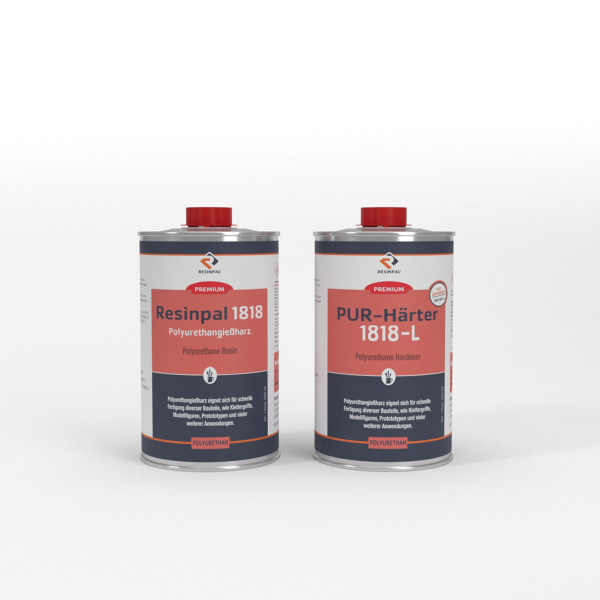
The Magic of Polyurethane Casting Resin
Polyurethane casting resin is a versatile material that has revolutionized the world of crafting, prototyping, and manufacturing. This synthetic compound offers a wide range of benefits and applications, making it a popular choice among artists, designers, engineers, and hobbyists alike.
What is Polyurethane Casting Resin?
Polyurethane casting resin is a liquid polymer that can be poured into molds to create solid objects. It cures into a durable and lightweight material with excellent dimensional stability. This resin can mimic the appearance and properties of various materials such as wood, metal, and stone, making it ideal for creating realistic prototypes and artistic pieces.
Applications of Polyurethane Casting Resin
The versatility of polyurethane casting resin opens up a world of possibilities in different industries:
- Art and Crafts: Artists use polyurethane resin to make intricate sculptures, jewelry, figurines, and other creative pieces.
- Prototyping: Engineers and designers utilize polyurethane resin to produce prototypes for product development and testing.
- Model Making: Hobbyists enjoy using polyurethane casting resin to create detailed models for dioramas, tabletop gaming, and more.
- Casting Replicas: The ability of polyurethane resin to capture fine details makes it popular for replicating historical artifacts or decorative elements.
Advantages of Polyurethane Casting Resin
Some key advantages of using polyurethane casting resin include:
- Durability: The cured resin is strong yet flexible, making it resistant to impact and wear.
- Ease of Use: Polyurethane resin is simple to mix and pour into molds, allowing for precise replication of shapes.
- Versatility: With different formulations available (such as clear or colored resins), users can achieve various effects in their projects.
- Fast Curing Time: Many polyurethane resins cure quickly at room temperature or with minimal heat application.
In Conclusion
Polyurethane casting resin has become a go-to material for those seeking high-quality results in their creative endeavors or prototyping projects. Its ability to combine durability with intricate detail reproduction makes it an invaluable asset in various industries. Whether you are an artist looking to bring your vision to life or an engineer refining your designs, polyurethane casting resin offers endless possibilities for innovation and expression.
Understanding Polyurethane Casting Resin: Uses, Differences, Strength, and Pricing
- What is polyurethane resin used for?
- What is the difference between polyurethane and epoxy resin?
- What is cast polyurethane used for?
- What is polyurethane casting resin?
- How strong is polyurethane casting resin?
- What is polyurethane casting resin used for?
- What is the price of polyurethane resin per kg?
What is polyurethane resin used for?
Polyurethane resin is a versatile material used for a wide range of applications across industries. Common uses of polyurethane resin include creating intricate sculptures, jewelry, figurines, and artistic pieces in the art and crafts sector. In engineering and product development, polyurethane resin is utilized for prototyping purposes to test designs before final production. Hobbyists also employ polyurethane resin for model making, dioramas, and tabletop gaming accessories due to its ability to capture fine details. Additionally, polyurethane resin is popular for casting replicas of historical artifacts or decorative elements thanks to its durability and flexibility.
What is the difference between polyurethane and epoxy resin?
One frequently asked question in the realm of resin casting is about the distinction between polyurethane and epoxy resin. While both are popular choices for various projects, they have notable differences in their composition and properties. Polyurethane resin tends to be more flexible and impact-resistant compared to epoxy resin, which is known for its hardness and high-gloss finish. Additionally, polyurethane resin typically cures faster than epoxy resin, making it a preferred option for those seeking quicker results. Understanding these differences can help individuals choose the right type of resin based on their specific project requirements and desired outcomes.
What is cast polyurethane used for?
Cast polyurethane is used for a wide range of applications across industries due to its versatility and exceptional properties. In manufacturing, cast polyurethane is commonly used for creating durable components, such as seals, gaskets, rollers, and bushings, that require high wear resistance and impact strength. In the automotive sector, it is utilized for making suspension components, bumpers, and interior trim pieces. Additionally, cast polyurethane finds its place in the construction industry for producing architectural elements like decorative moldings and panels. Its ability to mimic the look and feel of natural materials makes it a popular choice in art and crafts for crafting detailed sculptures, figurines, and jewelry. Overall, cast polyurethane’s adaptability and performance characteristics make it a preferred material for a diverse array of applications.
What is polyurethane casting resin?
Polyurethane casting resin is a liquid polymer that, when poured into molds, transforms into a solid material known for its durability and versatility. This synthetic compound is widely used in crafting, prototyping, and manufacturing industries due to its ability to replicate intricate details and mimic the properties of various materials like wood, metal, and stone. Artists, designers, engineers, and hobbyists often turn to polyurethane casting resin for creating realistic prototypes, artistic sculptures, jewelry pieces, and more. Its ease of use, fast curing time, and ability to produce high-quality finished products make it a popular choice for those seeking precision and reliability in their projects.
How strong is polyurethane casting resin?
Polyurethane casting resin is known for its exceptional strength and durability. The cured resin exhibits impressive mechanical properties, making it suitable for a wide range of applications that require robust and long-lasting materials. The strength of polyurethane casting resin can be tailored based on the specific formulation used, allowing users to achieve varying levels of hardness and flexibility to meet their project requirements. Whether used in artistic creations, industrial prototypes, or functional parts, polyurethane casting resin offers a reliable and sturdy solution that can withstand the rigors of everyday use.
What is polyurethane casting resin used for?
Polyurethane casting resin is a versatile material with a wide range of applications. It is commonly used for creating intricate sculptures, jewelry, figurines, and other artistic pieces in the field of art and crafts. Engineers and designers utilize polyurethane resin for prototyping purposes, allowing them to test and refine product designs efficiently. Hobbyists also find joy in using polyurethane casting resin for model making, such as crafting detailed dioramas or miniature replicas. Its ability to capture fine details makes it a popular choice for casting historical artifacts or decorative elements with precision. Overall, polyurethane casting resin serves as a valuable tool across various industries for its durability, ease of use, and versatility in achieving desired results.
What is the price of polyurethane resin per kg?
The price of polyurethane resin per kilogram can vary depending on several factors such as the quality of the resin, the quantity purchased, supplier pricing policies, and market demand. It is common for polyurethane casting resin to be priced competitively to cater to a wide range of customers, from hobbyists to industrial manufacturers. To obtain accurate pricing information, it is recommended to contact suppliers directly or check online platforms specializing in materials for crafting, prototyping, and manufacturing.