
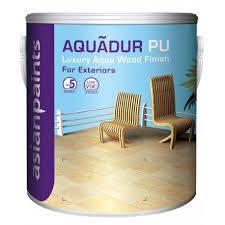
Water-Based Polyurethane Sealer: Uses, Benefits and Application
A water-based polyurethane sealer is a protective coating made with polyurethane resins dispersed in water. Once applied and cured, it forms a clear or coloured film that helps protect a surface from everyday wear, moisture and stains. It is commonly used on wood and, with the right product, on concrete and other suitable surfaces.
Water-based sealers are popular for projects where low odour, quick drying and easy clean-up are important. However, the right choice depends on the surface, the conditions it will face and the finish required.
How Does a Water-Based Polyurethane Sealer Work?
After application, water in the coating evaporates and the polyurethane particles form a continuous protective film. The film can improve resistance to abrasion, spills and household chemicals, depending on the product formulation and the number of coats applied.
A sealer is not automatically a complete waterproofing system. Its level of protection varies by product, surface preparation, film thickness and curing conditions. Always check the product label and technical data sheet for its intended use.
Common Applications
- Wood flooring: Helps protect floors from scuffs, spills and regular foot traffic.
- Furniture and cabinetry: Provides a protective finish for tables, shelves, doors and cabinets.
- Interior woodwork: Suitable products can be used on trim, panelling and other interior surfaces.
- Concrete: Some water-based polyurethane products are formulated for concrete floors and may be used as a clear protective topcoat.
- Other surfaces: Certain products are designed for specific substrates, so compatibility should be confirmed before use.
Benefits of Water-Based Polyurethane Sealer
- Lower odour: Generally has less noticeable odour than many solvent-based alternatives, although ventilation is still important.
- Easy clean-up: Tools can usually be cleaned with water before the coating dries. Follow the manufacturer’s instructions.
- Quick drying: Many products dry to the touch relatively quickly, helping to reduce waiting time between coats. Drying time is not the same as full curing time.
- Clear appearance: Many formulations retain a relatively clear finish and add less amber colour than some oil-based products.
- Choice of sheen: Options may include matt, satin, semi-gloss and gloss finishes.
- Practical indoor use: Its lower odour can make it a convenient option for many interior projects when used as directed.
Water-Based and Oil-Based Polyurethane: What Is the Difference?
Water-based polyurethane is often chosen for its lower odour, quicker drying and clearer appearance. Oil-based polyurethane may add a warmer, more amber tone and may take longer to dry. Performance varies between products, so neither type is automatically better for every project.
Consider the surface, desired colour, level of traffic, application conditions and maintenance requirements. For floors or other heavily used surfaces, check that the selected sealer is rated for the expected wear.
How to Apply a Water-Based Polyurethane Sealer
- Check suitability: Confirm that the product is intended for the surface and location, such as interior flooring or exterior timber.
- Prepare the surface: Remove dirt, grease, wax and loose material. Sand wood if required, then remove all sanding dust. Concrete may need specific preparation, including cleaning and moisture checks.
- Test first: Apply the sealer to a small, inconspicuous area to check adhesion, colour and finish.
- Stir gently: Follow the product instructions. Avoid vigorous shaking, which can introduce bubbles.
- Apply thin, even coats: Use the recommended brush, roller or applicator. Avoid applying the coating too heavily.
- Allow drying between coats: Follow the stated recoat time and environmental conditions. Light sanding between coats may be recommended for some products.
- Allow full curing: Protect the surface from heavy use until the coating has cured as specified. A surface may feel dry before it has reached its full performance.
Important Factors to Consider
- Indoor or outdoor use: Many water-based polyurethane sealers are intended for interiors. For outdoor use, select a product specifically designed to withstand weather and ultraviolet exposure.
- Surface moisture: Damp wood or concrete can affect adhesion and curing. Observe the product’s moisture limits.
- Temperature and humidity: These conditions influence drying. Work within the range specified by the manufacturer.
- Compatibility: Existing finishes, stains and coatings may affect adhesion. Check compatibility or carry out a test patch.
- Slip resistance: A smooth coating may become slippery, particularly when wet. For floors, consider a product or system designed to provide suitable slip resistance.
- Maintenance: Clean the finished surface using methods recommended for the coating. Avoid harsh cleaners unless the manufacturer confirms they are suitable.
Safety and Storage
Even water-based products should be handled carefully. Provide good ventilation, avoid contact with skin and eyes, and follow the safety instructions on the label. Keep the product away from children and store it in a closed container under the recommended conditions. Dispose of leftover material and containers in accordance with local requirements.
Conclusion
A water-based polyurethane sealer can provide a clear, practical protective finish for many wood surfaces and for concrete when the product is specifically formulated for it. Its lower odour, convenient clean-up and range of available finishes make it a useful choice for many projects. For the best results, select a product suited to the surface, prepare it properly and follow the manufacturer’s instructions for application and curing.
Water-Based Polyurethane Sealer FAQs: Uses, Drawbacks and Comparison with Oil-Based Polyurethane
- Is water-based polyurethane a sealer?
- What are the disadvantages of water based polyurethane?
- Is polyurethane a sealer or a finish?
- What is the main disadvantage of using water-based polyurethane?
- Is it better to use water-based or oil-based polyurethane?
Is water-based polyurethane a sealer?
Yes, water-based polyurethane can act as a sealer by forming a protective film over a surface, helping to guard it against everyday wear, spills and stains. It is commonly used on wood and is available in finishes such as matt, satin and gloss. However, it may not be suitable for every surface or provide complete waterproofing, so choose a product designed for the intended application and follow the manufacturer’s instructions.
What are the disadvantages of water based polyurethane?
Water-based polyurethane has a few limitations to consider. It can be less forgiving to apply, as brush marks, bubbles or lap lines may show if it dries quickly or is applied unevenly. It may also require several thin coats to achieve the desired protection, and its fast drying time can make larger areas challenging to coat consistently. Some formulations may raise the grain of bare wood, requiring light sanding between coats, while the clear finish may not provide the warm, amber tone some people prefer. Performance varies by product, so check its suitability for the surface and expected wear, and follow the manufacturer’s application and curing instructions.
Is polyurethane a sealer or a finish?
Polyurethane can act as both a sealer and a finish. It seals the surface by forming a protective barrier against moisture, stains and everyday wear, while also providing the final appearance, such as matt, satin or gloss. In many applications, a separate sealer is not needed, but this depends on the surface and the product. Check the manufacturer’s instructions to confirm whether it can be applied directly or requires a primer or sealer underneath.
What is the main disadvantage of using water-based polyurethane?
The main disadvantage of water-based polyurethane is that it may require more coats to achieve the desired protection and finish, as it is generally thinner than oil-based polyurethane. It also dries quickly, which can make application less forgiving and lead to visible lap marks if you work too slowly. However, modern formulations can offer excellent durability, so check the product’s specifications and apply it as directed.
Is it better to use water-based or oil-based polyurethane?
Whether water-based or oil-based polyurethane is better depends on your project and preferred finish. Water-based polyurethane generally has a lower odour, dries faster and stays clearer, making it a popular choice when you want to preserve the natural colour of wood. Oil-based polyurethane usually adds a warmer, amber tone and may suit projects where that look is desired, though it typically takes longer to dry and has a stronger odour. Compare product durability, surface suitability and application requirements, and follow the manufacturer’s instructions before choosing.