
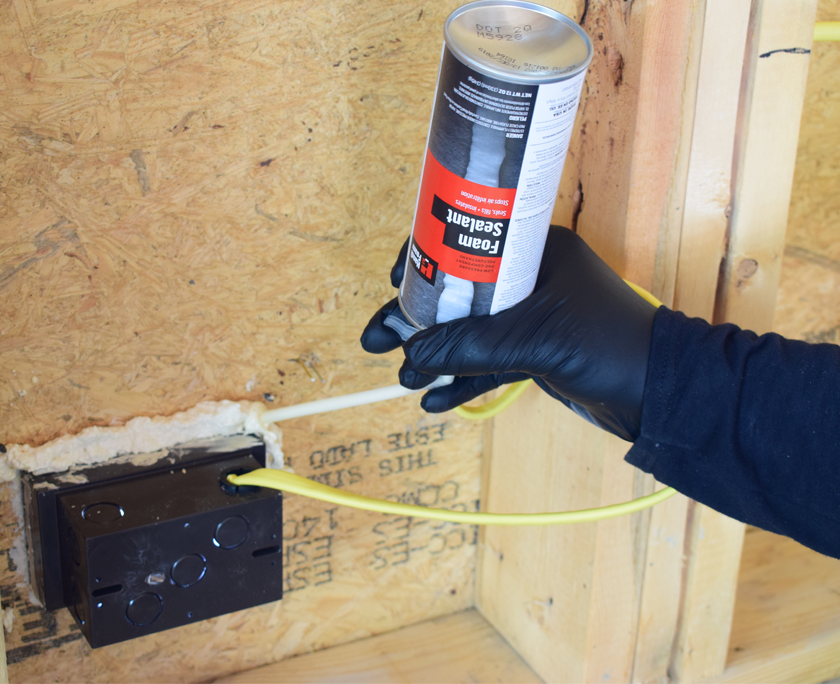
Urethane Foam Sealant: Uses, Benefits and Application Tips
Urethane foam sealant, commonly known as polyurethane foam sealant, is a versatile material used to fill gaps, seal openings and improve insulation. It expands after application and cures into a durable foam, helping reduce air leakage, dust and noise. It is widely used in homes, commercial buildings and industrial projects.
What Is Urethane Foam Sealant?
Urethane foam sealant is typically supplied in an aerosol can or as a two-component product. When dispensed, the liquid foam expands and reacts with moisture in the air or on the surface to form a solid, lightweight material. Once cured, it can usually be trimmed, painted or covered with another finish, subject to the product instructions.
Common Uses
- Sealing gaps around window and door frames
- Filling openings around pipes, cables and ducts
- Reducing air leaks in walls, roofs and other building areas
- Filling irregular gaps where sheet insulation may be difficult to fit
- Sealing some construction joints and service penetrations
Foam sealant is suitable for many gaps, but it should not be treated as a universal solution. It is not a substitute for a designed structural joint, and some products are unsuitable for areas exposed to standing water, continuous movement or high temperatures.
Types of Foam Sealant
One-component foam: Supplied ready to use, usually in a pressurised can. It is convenient for small repairs and general sealing work.
Two-component foam: Uses two components that are mixed or activated during application. These products can cure more quickly and are often selected for larger or more demanding jobs.
Low-expansion foam: Expands less after application and is often preferred around window and door frames, where excessive pressure could distort the frame.
Fire-rated foam: Designed for specified fire-stopping applications. Only products tested and approved for the required use should be used. Ordinary foam sealant should not be assumed to provide fire protection.
Key Benefits
- Fills irregular spaces: The expanding foam can reach into gaps that are difficult to seal with rigid materials.
- Helps limit air leakage: When correctly applied, it can reduce draughts and unwanted air movement.
- Provides insulation: Foam can contribute to thermal and sound insulation, depending on the product and installation.
- Easy to shape: Once cured, excess foam can often be cut back for a neater finish.
How to Apply It
- Check the product instructions. Confirm that the sealant is suitable for the surface, gap size and intended use.
- Prepare the area. Remove loose dust, grease and debris. Protect nearby surfaces, as uncured foam can be difficult to remove.
- Use suitable protection. Wear gloves and eye protection, and ensure the area is well ventilated.
- Apply sparingly. Foam expands as it cures, so fill only part of the gap unless the manufacturer recommends otherwise. Use low-expansion foam around sensitive frames.
- Allow it to cure. Follow the stated curing time before trimming, painting or covering the foam.
- Protect the finished foam. Many foam products can deteriorate when exposed to sunlight, so cover exposed foam with a suitable finish where required.
Safety and Limitations
Uncured foam can stick to skin, clothing and surrounding materials. Avoid contact and follow the product’s safety label and disposal guidance. Do not use foam near flames, hot surfaces or other ignition sources unless the product is specifically approved for that environment. Cured foam should be protected from sunlight if the manufacturer requires it.
Before sealing a gap, check whether it needs to remain ventilated or allow for movement. For fire-rated penetrations, large openings or specialist building work, use a product and installation method approved for that application, and consult a qualified professional where needed.
Choosing the Right Product
Consider the gap size, the material being sealed, the expected movement and whether the area is exposed to moisture, sunlight or heat. Also check the product’s expansion rate, curing time and suitability for indoor or outdoor use. Choosing the right urethane foam sealant and applying it carefully can help create a cleaner, more effective seal.
8 Essential Tips for Safe and Effective Use of Urethane Foam Sealant
- Wear gloves and eye protection when applying urethane foam sealant.
- Work in a well-ventilated area.
- Check the label for suitable surfaces and temperature limits.
- Clean dust, grease and loose material from the gap.
- Lightly dampen surfaces if the product instructions recommend it.
- Fill gaps only partly; the foam expands as it cures.
- Keep foam away from skin, wiring and moving parts.
- Trim cured excess and paint or cover it as directed.
Wear gloves and eye protection when applying urethane foam sealant.
Always wear gloves and eye protection when applying urethane foam sealant. Uncured foam can stick to skin and be difficult to remove, while splashes may irritate or injure the eyes. Follow the product label for any additional safety measures, and work in a well-ventilated area.
Work in a well-ventilated area.
Always apply urethane foam sealant in a well-ventilated area, as the product may release fumes during application and curing. Open windows and doors, or use suitable ventilation, and follow the manufacturer’s safety instructions. Keep the area clear of children, pets and unnecessary foot traffic until the foam has fully cured.
Check the label for suitable surfaces and temperature limits.
Before applying urethane foam sealant, check the product label to confirm that it is suitable for the surfaces you intend to seal, such as wood, metal, masonry or plastic. Also check the stated application and curing temperature limits, as conditions that are too hot or too cold can affect expansion, adhesion and curing. Follow the manufacturer’s instructions for the best results.
Clean dust, grease and loose material from the gap.
Before applying urethane foam sealant, clean dust, grease and loose material from the gap so the foam can bond properly to the surfaces. Use a brush or vacuum to remove debris, and wipe away grease with a suitable cleaner. Allow the area to dry if needed, as dirt or moisture may affect adhesion and the quality of the seal.
Lightly dampen surfaces if the product instructions recommend it.
Lightly dampening the surface can help some urethane foam sealants cure properly, as moisture may support the curing process. However, this depends on the product, so check the manufacturer’s instructions first. If recommended, use a light mist rather than soaking the area, and avoid applying water where it could damage the surface or affect adhesion.
Fill gaps only partly; the foam expands as it cures.
When applying urethane foam sealant, fill the gap only part-way, as the foam expands while curing. Applying too much can cause it to overflow or put pressure on nearby materials, such as window and door frames. Check the product instructions for the recommended amount and allow the foam to cure fully before trimming any excess.
Keep foam away from skin, wiring and moving parts.
Keep urethane foam sealant away from skin, electrical wiring and moving parts while applying it. Uncured foam can stick firmly to skin and surfaces, while contact with wiring or mechanisms may interfere with their operation. Wear gloves and eye protection, protect nearby areas, and allow the foam to cure as directed before trimming or finishing it.
Trim cured excess and paint or cover it as directed.
Once the urethane foam sealant has fully cured, carefully trim any excess with a sharp knife to create a neat finish. Check the product instructions for the recommended curing time and finishing method, then paint or cover the foam as directed. This is especially important where the foam is exposed, as some products need protection from sunlight and weather.