
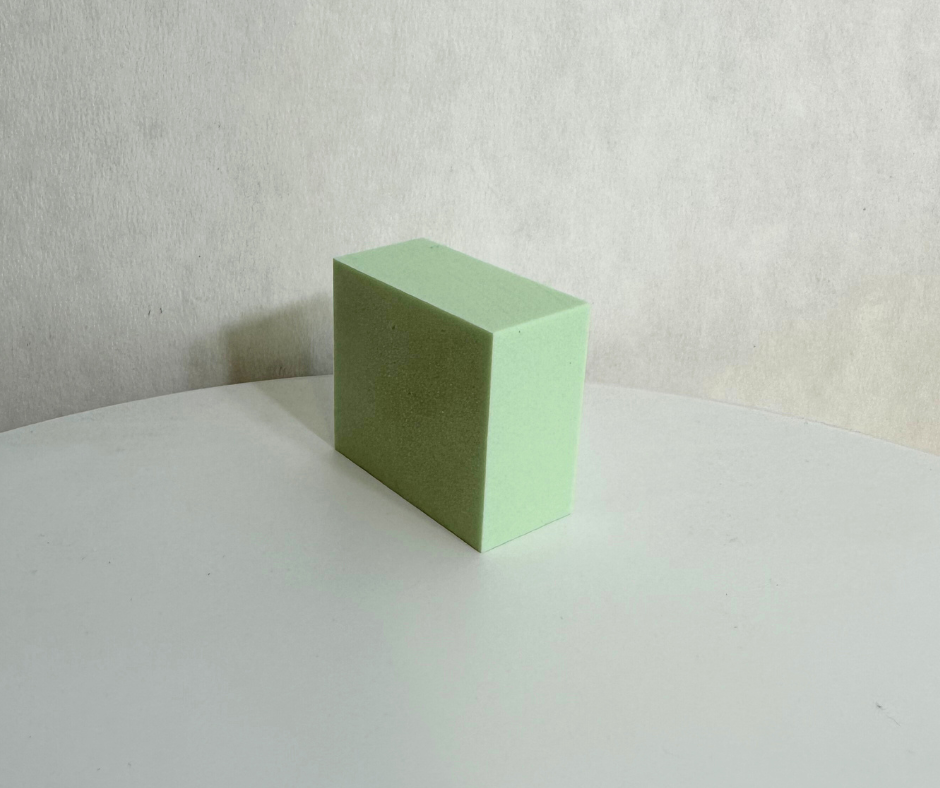
Urethane Foam Blocks: Types, Uses and Selection Guide
Urethane foam blocks are blocks of polyurethane (PU) foam made for cushioning, insulation, packaging, fabrication and other applications. They are available in a wide range of densities, firmness levels and cell structures. This variety makes them suitable for products ranging from upholstered furniture to thermal insulation panels.
What Is Urethane Foam?
Urethane foam is produced by reacting chemicals to form a cellular polymer structure. The resulting material contains many small cells, which may be open or closed. Open-cell foams are generally softer and allow air to pass through more readily, while closed-cell foams tend to resist water and air movement and are often used for insulation.
The term “urethane foam” is commonly used for polyurethane foam. However, not all foam blocks have the same composition or performance. Their properties depend on the formulation, density, cell structure and manufacturing process.
Common Types of Urethane Foam Blocks
- Flexible foam: Soft and compressible, this type is used in furniture, mattresses, cushions and vehicle seating. It may be supplied in large blocks for cutting into sheets or shaped components.
- Rigid foam: Firm and dimensionally stable, rigid PU foam is widely used for thermal insulation in buildings, appliances and industrial equipment.
- High-density foam: Designed for applications that need greater support, durability or load-bearing capacity. It is used in seating, protective packaging and technical components.
- Acoustic foam: Often made with an open-cell structure, it can help reduce reflections and reverberation within a room. Its performance depends on the product design and installation.
- Rebonded foam: Made by bonding pieces of foam together, rebonded blocks are typically firm and are used in applications such as carpet underlay, gym flooring and certain types of cushioning.
How Urethane Foam Blocks Are Used
Foam blocks can be cut, shaped or laminated to meet specific requirements. Common applications include:
- Furniture cushions, mattresses and upholstered seating
- Protective packaging and cushioning for transport
- Thermal insulation for buildings, cold rooms and appliances
- Automotive and other vehicle interiors
- Acoustic treatments and sound-management products
- Gaskets, seals, filters and fabricated industrial parts
- Craft, display and model-making projects
Key Properties to Consider
When choosing a urethane foam block, consider how it will be used and the conditions it will face. Important properties include:
- Density: Usually measured as mass per unit volume. Density can help compare materials, but it does not by itself determine firmness or suitability.
- Firmness and compression: These indicate how the foam responds to pressure. The right level depends on the required comfort, support or protection.
- Cell structure: Open-cell and closed-cell foams behave differently in relation to airflow, moisture and insulation.
- Resilience: The ability of flexible foam to recover after compression is important for seating and cushioning.
- Temperature and chemical exposure: Performance can vary with heat, solvents, oils and other environmental conditions. Check product data for the intended application.
- Fire performance: Foam products vary in their reaction to fire. Where regulations or safety requirements apply, confirm that the chosen product meets the relevant standards.
Choosing the Right Block
Start by defining the function of the foam: cushioning, insulation, sound management, sealing or protection. Then identify the required dimensions, firmness, density and operating conditions. For technical uses, consult the supplier’s product data sheet and confirm that the material is suitable for the specific application. Testing a sample can help assess fit, feel and performance before placing a larger order.
Cutting requirements also matter. Flexible blocks are often sliced or fabricated into shapes, while rigid foam may need specialised tools or processes. Follow the supplier’s guidance on cutting, bonding and finishing.
Handling and Storage
Store foam blocks in a clean, dry area away from direct sunlight, excessive heat and sources of ignition. Keep them clear of chemicals that could damage the material. During cutting or fabrication, use appropriate tools and follow workplace safety guidance, including ventilation and personal protective equipment where required.
Conclusion
Urethane foam blocks offer a versatile material option for cushioning, insulation, packaging and fabrication. Their performance varies considerably, so choosing the right type involves more than selecting a size or density. By matching the foam’s structure and properties to the application—and checking relevant technical and safety requirements—buyers can make a more informed choice.
8 Essential Tips for Choosing, Using and Storing Urethane Foam Blocks Safely
- Choose the foam density to suit the load and application.
- Check the product’s fire-safety rating before use.
- Cut blocks with a sharp knife or suitable foam cutter.
- Wear a mask and eye protection when cutting foam.
- Keep foam away from flames and hot surfaces.
- Store blocks in a cool, dry place out of direct sunlight.
- Use compatible adhesives to avoid damaging the foam.
- Recycle or dispose of offcuts according to local guidelines.
Choose the foam density to suit the load and application.
Choose the foam density to suit the load and application. Lower-density foam may be suitable for light cushioning, while higher-density foam is often preferred for heavier loads or frequent use. However, density alone does not determine firmness or performance, so check the product specifications and consider how the foam will be used before making a choice.
Check the product’s fire-safety rating before use.
Check the product’s fire-safety rating before using urethane foam blocks, particularly in buildings, vehicles or public spaces. Foam products can differ in how they respond to heat and flame, so confirm that the rating meets the relevant safety requirements for the intended application. If in doubt, ask the supplier for the product’s test documentation and installation guidance.
Cut blocks with a sharp knife or suitable foam cutter.
Cut urethane foam blocks with a sharp knife or a suitable foam cutter to achieve a cleaner, more even edge. Use a straightedge as a guide for accurate cuts, and work slowly without compressing the foam, as pressure can distort its shape. For thicker or denser blocks, choose a cutter designed for foam and follow its safety instructions.
Wear a mask and eye protection when cutting foam.
When cutting urethane foam blocks, wear a suitable mask and eye protection to help prevent foam particles and dust from irritating your lungs or eyes. Cut in a well-ventilated area, follow the tool manufacturer’s safety instructions, and use additional protective equipment if recommended for the foam or cutting method.
Keep foam away from flames and hot surfaces.
Keep urethane foam blocks away from open flames, sparks and hot surfaces, as the material may ignite or be damaged by heat. Store and use foam in a cool, well-ventilated area, and follow the supplier’s fire-safety and handling instructions.
Store blocks in a cool, dry place out of direct sunlight.
Store urethane foam blocks in a cool, dry place, away from direct sunlight. Prolonged exposure to heat and UV rays can affect the foam’s colour and performance, while damp conditions may damage it. Keep blocks clean, well ventilated and away from heat sources and chemicals to help preserve their quality.
Use compatible adhesives to avoid damaging the foam.
Use an adhesive that is specifically compatible with polyurethane foam to create a secure bond without damaging the material. Some solvent-based adhesives can dissolve, shrink or weaken foam, so check the product label and manufacturer’s guidance before use. When in doubt, test the adhesive on a small offcut and allow it to cure fully before applying it to the foam block.
Recycle or dispose of offcuts according to local guidelines.
Recycle urethane foam offcuts wherever suitable facilities are available, and check with your local waste authority or recycling provider for accepted materials and collection options. If recycling is not available, dispose of the offcuts according to local guidelines; do not burn them or put them in general waste unless permitted. Following the correct disposal route helps reduce waste and supports safer handling.