
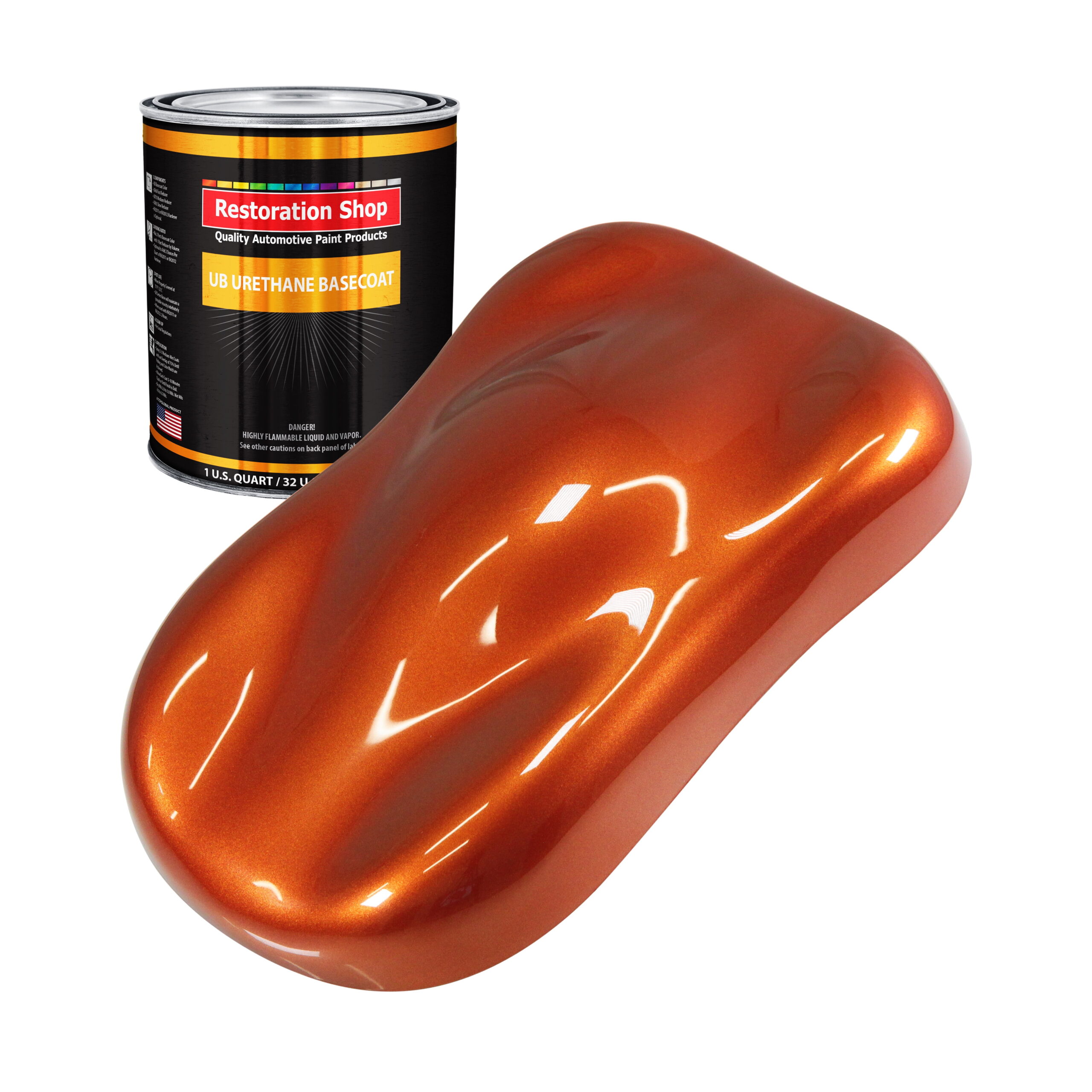
Urethane Car Paint: Benefits, Types and Care
Urethane car paint is a popular automotive coating known for its durability, colour retention and glossy finish. Used on everything from full-car resprays to smaller repairs, it can provide lasting protection when the surface is prepared and the paint is applied correctly. It is also sometimes called polyurethane automotive paint.
What Is Urethane Car Paint?
Urethane paint is made with polyurethane-based resins. Many automotive urethane systems use two components: a paint or clear coat and a hardener, also called an activator. When mixed as directed, these components cure to form a tough coating.
Urethane paint is available in different systems. A single-stage product combines colour and gloss in one coating. A basecoat–clearcoat system applies the colour first and then adds a transparent clear coat for gloss and protection. The appropriate system depends on the vehicle, the desired finish and the paint manufacturer’s instructions.
Key Benefits
- Durability: Once fully cured, urethane coatings are generally resistant to everyday wear and weather exposure.
- Colour and gloss retention: Quality products can maintain their appearance over time when applied and cared for correctly.
- Finish options: Urethane systems are available in a wide range of colours and finishes, including gloss, satin and matt.
- Repair flexibility: They can be used for complete resprays as well as panel repairs, subject to product compatibility and correct blending.
Results vary with the product, surface preparation, application conditions and ongoing maintenance. No paint system is immune to stone chips, scratches or prolonged exposure to harsh conditions.
Urethane Compared with Other Automotive Paints
Urethane is often chosen for its balance of appearance and durability. Acrylic lacquer can be easier to work with in some situations, but it may not offer the same long-term resistance as modern automotive urethane systems. Enamel paints are another option, though their finish and application requirements differ by product.
There is no single best paint for every job. The vehicle’s existing coating, repair needs, budget and intended use all matter. A painter should check that the new system is compatible with the primer and other coatings underneath it.
How Urethane Car Paint Is Applied
A lasting finish begins with careful preparation. The surface may need cleaning, sanding, rust treatment and repairs before an appropriate primer is applied. The colour coat and, where required, the clear coat are then sprayed according to the manufacturer’s specified mixing ratios, flash-off times and curing conditions.
Spraying is best done in a properly equipped paint booth, where dust, temperature, airflow and overspray can be controlled. Incorrect mixing or rushed preparation can lead to defects such as poor adhesion, uneven colour, runs or an inconsistent finish. For a full respray or a repair involving two-component products, a qualified automotive paint professional is generally the safer choice.
Safety Considerations
Some two-component urethane products contain isocyanates, which can be hazardous when inhaled or when they come into contact with the skin or eyes. Spraying these products requires appropriate professional controls, including a suitable spray booth, protective clothing and respiratory protection selected for the specific product and task. A basic dust mask is not adequate protection against spray vapours.
Always read the product safety data sheet and follow the paint manufacturer’s instructions. Do not spray urethane products in a home garage or other area without the required ventilation, equipment and training. If the safety requirements cannot be met, use a professional paint shop.
Caring for a Urethane Finish
- Allow the paint to cure for the period specified by the paint manufacturer or body shop before washing or waxing.
- Wash the car with a mild automotive shampoo and a clean, soft wash mitt.
- Dry with a soft microfibre towel to reduce water spots and light surface marks.
- Remove bird droppings, tree sap and other contaminants promptly, using products suitable for automotive paint.
- Avoid abrasive cleaners and aggressive polishing unless the finish can safely be corrected.
Is Urethane Car Paint Right for Your Vehicle?
Urethane car paint is a strong option when a durable, attractive automotive finish is required. Its performance depends on choosing a suitable paint system, preparing the surface properly and applying the product under controlled conditions. For the best result, discuss the vehicle’s needs with a qualified painter and follow the product’s safety and care instructions.
9 Benefits of Urethane Car Paint: Durability, Colour Retention and Versatile Finishes
- Durable finish for everyday driving.
- Resists weathering and UV exposure.
- Retains colour and gloss well.
- Available in a wide range of colours.
- Offers gloss, satin and matt finishes.
- Suitable for full resprays and repairs.
- Works with single-stage or basecoat–clearcoat systems.
- Provides a smooth, professional appearance.
- Can be maintained with routine car care.
Urethane Car Paint: High Costs, Complex Preparation and Application, and Chemical Safety Risks
- Can be costly compared with some paint options.
- Requires careful surface preparation and skilled application.
- Some products contain hazardous chemicals and need strict safety precautions.
Durable finish for everyday driving.
Urethane car paint offers a durable finish suited to everyday driving. Once properly applied and fully cured, it can withstand regular exposure to sun, rain, dust and routine washing, helping the car retain its colour and appearance. While it cannot prevent all scratches or stone chips, careful washing and timely repairs can help keep the finish looking its best.
Resists weathering and UV exposure.
Urethane car paint offers good resistance to weathering and ultraviolet (UV) exposure, helping the finish retain its colour and gloss despite regular sun, rain and changing conditions. This protection can slow fading and surface deterioration over time, although the result also depends on the paint system, application quality and ongoing care.
Retains colour and gloss well.
Urethane car paint is valued for its ability to retain colour and gloss over time. When applied correctly and cared for with regular, gentle washing, it helps a vehicle keep a rich, polished appearance despite everyday exposure to sunlight and weather. This lasting finish can also help the car look well maintained between detailing sessions.
Available in a wide range of colours.
Urethane car paint is available in a wide range of colours, making it easier to match a vehicle’s original shade or choose a fresh look. From classic whites, blacks and metallic finishes to bold, custom colours, there are options to suit different styles and preferences. This variety also gives professional painters greater flexibility when blending repairs or creating a distinctive finish.
Offers gloss, satin and matt finishes.
Urethane car paint is available in gloss, satin and matt finishes, making it easy to choose a look that suits your vehicle. Gloss creates a bright, reflective appearance, while satin offers a softer sheen. Matt provides a smooth, non-reflective finish for a distinctive, understated style.
Suitable for full resprays and repairs.
Urethane car paint is suitable for both full resprays and local repairs, making it a versatile choice for many automotive painting jobs. It can be applied across an entire vehicle for a refreshed finish or used to repaint a damaged panel. With careful colour matching, surface preparation and application, the repaired area can blend smoothly with the surrounding paintwork.
Works with single-stage or basecoat–clearcoat systems.
Urethane car paint is available in both single-stage and basecoat–clearcoat systems, making it suitable for different repair needs and finish preferences. A single-stage system combines colour and gloss in one coating, while a basecoat–clearcoat system applies the colour separately and adds a clear protective layer on top. This flexibility allows painters to choose the approach that best suits the vehicle, the desired appearance and the scope of the work.
Provides a smooth, professional appearance.
Urethane car paint can give a vehicle a smooth, professional-looking finish, with even colour and a refined gloss when it is applied correctly. Its ability to form a consistent coating helps create a polished appearance, making it a popular choice for full resprays and panel repairs. Preparation and application matter: a well-sanded surface and careful spraying help achieve the best result.
Can be maintained with routine car care.
Urethane car paint is straightforward to maintain with routine car care. Regular washing with a mild automotive shampoo, prompt removal of bird droppings and tree sap, and drying with a soft microfibre towel can help keep the finish clean and glossy. Once the paint has fully cured, follow your paint manufacturer’s or body shop’s guidance on waxing and polishing to protect the surface without causing damage.
Can be costly compared with some paint options.
One drawback of urethane car paint is its cost, which can be higher than that of some other paint options. The paint, hardener and specialised application equipment may increase the overall expense, while professional preparation and spraying add to the labour cost. For a small repair or a tight budget, a less expensive paint system may be worth considering, though the final choice should take durability, finish quality and compatibility with the vehicle into account.
Requires careful surface preparation and skilled application.
Urethane car paint requires thorough surface preparation and skilled application to achieve a smooth, long-lasting finish. The surface must be properly cleaned, sanded and primed, while the paint needs to be mixed and applied according to the manufacturer’s instructions. Poor preparation or application can lead to uneven coverage, poor adhesion, runs or other visible defects, so professional help may be needed for the best results.
Some products contain hazardous chemicals and need strict safety precautions.
Some urethane car paints, particularly two-component products, may contain hazardous chemicals such as isocyanates. Exposure to their spray mist or vapours can pose serious health risks, so these paints must be handled with strict precautions. Application should be carried out by trained professionals using suitable ventilation, protective clothing and the correct respiratory equipment, in accordance with the product’s safety data sheet.