
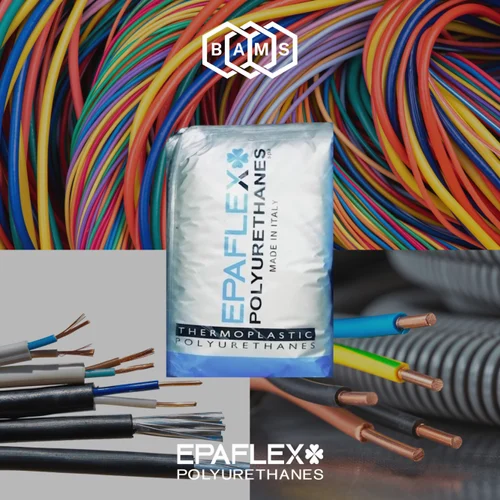
TPU Urethane: A Versatile Thermoplastic Elastomer
Thermoplastic polyurethane, commonly known as TPU, is a versatile material that combines many of the useful properties of rubber and plastic. It is an elastomer, which means it can bend and stretch, while also being capable of softening when heated and hardening again when cooled. This makes TPU suitable for a wide range of products and manufacturing processes.
What does “urethane” mean?
Urethane refers to a chemical linkage found in polyurethane materials. Polyurethanes are made by reacting suitable chemical building blocks to form polymer chains. TPU is one type of polyurethane, distinguished by its thermoplastic behaviour: it can generally be processed using heat without the same curing step required for many thermoset polyurethanes.
The term “urethane” is also used in connection with other polyurethane products, including flexible and rigid foams, coatings, adhesives and sealants. These materials may share polyurethane chemistry, but their properties and manufacturing methods can differ considerably from those of TPU.
Key properties of TPU
TPU is available in a broad range of grades, so its performance depends on its formulation and intended use. Common characteristics include:
- Elasticity: Many grades can stretch and recover their shape.
- Abrasion resistance: TPU can withstand rubbing and repeated contact, making it useful for surfaces exposed to wear.
- Toughness: It can offer a balance of flexibility and resistance to impact.
- Flexibility across applications: Grades range from soft and rubber-like to firm and rigid.
- Resistance to oils and greases: Performance varies by grade and by the specific chemicals involved.
- Processability: TPU can be shaped using techniques such as injection moulding, extrusion and, for suitable grades, additive manufacturing.
Not every TPU grade has the same level of heat, chemical, weather or hydrolysis resistance. Selecting a material requires checking its technical data and testing it in the conditions in which the finished part will be used.
How TPU is made and processed
TPU is produced through polyurethane chemistry and supplied as a thermoplastic material, often in pellet form. During processing, the pellets are heated until they can flow into a mould or through an extrusion die. After cooling, the material retains the shape of the finished component.
Careful control of processing conditions is important. Moisture, temperature and residence time can affect the quality of the finished product. Manufacturers generally follow the grade supplier’s guidance on drying and processing parameters.
Common applications
The combination of flexibility, durability and processability makes TPU useful in many sectors. Typical applications include:
- Footwear components, such as soles and protective elements
- Mobile phone cases and other protective covers
- Wheels, rollers and flexible industrial parts
- Hoses, tubes, cables and wire insulation
- Automotive interior and exterior components
- Sports, outdoor and wearable products
- Films, sheets and protective surface layers
- Selected parts made using 3D printing
The appropriate grade depends on the demands of the application, including required flexibility, load, temperature, exposure to chemicals and expected service life.
Choosing the right TPU grade
When comparing TPU materials, consider hardness, elasticity, tensile strength, abrasion resistance and processing requirements. It is also important to assess the product’s operating environment. For example, prolonged exposure to heat, sunlight, moisture or particular chemicals can affect performance, and different TPU formulations respond differently.
For critical applications, consult the material supplier and test samples under realistic conditions. Compliance requirements, colour, surface finish, recyclability and cost may also influence the final choice.
TPU and sustainability
Because TPU is thermoplastic, manufacturing scrap and some end-of-life products may be suitable for recycling, depending on the material grade, product design and available recycling facilities. Recycled content and recycling options vary, so claims should be checked for the specific product and supply chain.
Designing durable products, reducing material waste and selecting a grade that meets—not substantially exceeds—the performance requirements can also support more responsible material use.
Conclusion
TPU urethane is a useful material family for products that need a combination of flexibility, toughness and wear resistance. Its range of grades and processing options allows it to serve applications from consumer goods to industrial components. Understanding the differences between grades, and matching material properties to real-world conditions, is essential to achieving reliable performance.
9 Key Benefits of Thermoplastic Polyurethane (TPU)
- Flexible and elastic
- Resists abrasion and wear
- Tough and impact-resistant
- Available in a range of hardness levels
- Suitable for injection moulding
- Can be extruded into profiles and tubing
- Offers good grip and surface feel
- Useful across many industries
- Some grades can be recycled
6 Disadvantages of TPU Urethane: Cost, Heat Sensitivity, Moisture, UV Ageing, Recycling and Chemical Resistance
- Can cost more than some conventional plastics.
- May soften or deform at high temperatures.
- Some grades can be sensitive to moisture during processing.
- UV exposure can cause ageing or colour changes in certain grades.
- Recycling options may be limited locally.
- Chemical resistance varies by grade and application.
Flexible and elastic
TPU urethane is valued for its flexibility and elasticity, allowing it to bend, stretch and compress while returning to its original shape. This makes it suitable for products that need to move or flex repeatedly without becoming brittle, such as footwear components, protective cases, flexible tubing and wearable accessories. The level of softness and stretch can also be selected to suit the application.
Resists abrasion and wear
TPU urethane offers strong resistance to abrasion and everyday wear, making it well suited to products exposed to frequent rubbing, impact or repeated use. Its durable surface can help components retain their appearance and function for longer, reducing the need for frequent replacement. This property makes TPU a popular choice for footwear, wheels, protective cases, hoses and industrial parts.
Tough and impact-resistant
TPU urethane is known for being tough and impact-resistant, making it a reliable choice for products that face knocks, drops and everyday wear. Its ability to absorb and withstand sudden impacts can help protect components from cracking or breaking, while its flexibility allows it to handle repeated use. These qualities make TPU suitable for applications such as protective phone cases, footwear components, wheels and industrial parts.
Available in a range of hardness levels
TPU urethane is available in a range of hardness levels, from soft and flexible to firm and rigid. This allows manufacturers to select a grade that suits the product’s needs, whether it requires a comfortable, bendable feel or greater support and shape retention. The choice of hardness can also help balance flexibility, durability and performance in applications such as footwear, protective cases, wheels and industrial components.
Suitable for injection moulding
TPU urethane is well suited to injection moulding, a process that enables manufacturers to produce parts quickly and consistently. When heated, the material flows into a mould and takes its shape as it cools, making it possible to create detailed components in a wide range of sizes and designs. This processing flexibility, combined with TPU’s toughness and elasticity, makes it a practical choice for products such as protective cases, footwear components and industrial parts.
Can be extruded into profiles and tubing
TPU urethane can be extruded into continuous profiles and tubing, making it suitable for products that require consistent shapes and dimensions along their length. This versatility supports applications such as flexible hoses, seals, protective edging and cable coverings. Its combination of flexibility, toughness and abrasion resistance can help these components perform reliably in demanding everyday and industrial environments.
Offers good grip and surface feel
TPU urethane offers good grip and a comfortable surface feel, making it well suited to products that are handled or worn regularly. Its naturally flexible, slightly yielding texture can provide a secure hold and a pleasant tactile finish, while helping reduce the slippery feel of harder plastics. Depending on the grade and surface design, TPU can be used for items such as phone cases, footwear components, tool grips and wearable products.
Useful across many industries
TPU urethane is useful across many industries because it combines flexibility, durability and resistance to wear in a material that can be shaped using different manufacturing processes. It is used in products ranging from footwear, phone cases and sports equipment to automotive components, hoses, cables and industrial rollers. With a wide choice of grades, manufacturers can select TPU to suit the needs of each application.
Some grades can be recycled
Some grades of TPU urethane can be recycled, helping to reduce material waste and support more efficient use of resources. As a thermoplastic, TPU can often be reheated and reprocessed, though recyclability depends on the specific grade, product design and local recycling facilities. Checking with the supplier or recycling provider can help determine the most suitable end-of-life option.
Can cost more than some conventional plastics.
TPU urethane can cost more than conventional plastics such as polyethylene or polypropylene, which may increase the overall cost of a product. The price can vary depending on the grade, required performance and manufacturing process. For cost-sensitive applications where high flexibility, abrasion resistance or durability is not essential, a conventional plastic may be a more economical choice.
May soften or deform at high temperatures.
TPU urethane may soften or deform when exposed to high temperatures, which can affect a product’s shape, fit and performance. Its heat resistance varies by grade, so it may not be suitable for applications involving sustained heat or sudden temperature spikes. Before selecting TPU, check the supplier’s recommended service-temperature range and test the material under the conditions in which it will be used.
Some grades can be sensitive to moisture during processing.
Some grades of TPU urethane are sensitive to moisture during processing. If the material absorbs water before moulding or extrusion, the moisture can cause defects such as bubbles, surface imperfections or reduced mechanical strength. To help maintain product quality, manufacturers may need to store TPU carefully and dry it according to the supplier’s recommendations before processing.
UV exposure can cause ageing or colour changes in certain grades.
One limitation of TPU urethane is that prolonged exposure to ultraviolet (UV) light can cause certain grades to age or change colour. Depending on the formulation and exposure conditions, the material may yellow, fade or gradually lose some of its original performance. For products used outdoors or in direct sunlight, selecting a UV-stabilised grade and checking its suitability with the supplier can help reduce these effects.
Recycling options may be limited locally.
One drawback of TPU urethane is that recycling options may be limited locally. Although some TPU products can be recycled, suitable collection and processing facilities may not be available in every area. As a result, products could end up in general waste unless manufacturers or local waste services offer a specific take-back or recycling programme. It is best to check local guidelines and the product supplier’s instructions before disposal.
Chemical resistance varies by grade and application.
One limitation of TPU urethane is that its chemical resistance varies by grade and application. A material that performs well when exposed to oils or greases may be less suitable for certain solvents, acids or cleaning agents. Temperature, exposure time and the chemical’s concentration can also affect performance. It is therefore important to check the grade’s technical data and test it under actual operating conditions before selecting TPU for a specific application.