
TPU Material Properties: A Practical Guide
Thermoplastic polyurethane (TPU) is a versatile elastomer that combines the flexibility of rubber with the processing advantages of thermoplastics. It can stretch and recover its shape, yet it can also be melted and reshaped using suitable manufacturing processes. These characteristics make TPU useful in products that need a balance of durability, flexibility and design freedom.
What Is TPU?
TPU is a type of thermoplastic elastomer made from polyurethane. Its structure generally contains softer segments, which provide flexibility, and harder segments, which contribute strength and shape retention. The proportions and chemistry of these segments vary between grades, so TPU properties can differ considerably from one product to another.
TPU is available in different hardnesses and formulations. Some grades are designed to be soft and highly flexible, while others are firmer and offer greater resistance to wear or deformation. The right grade depends on the product’s operating conditions and performance requirements.
Key Properties of TPU
Flexibility and Elastic Recovery
TPU can bend, stretch and compress, then recover much of its original shape. This makes it suitable for components that experience repeated movement or impact. The degree of flexibility depends on the grade, thickness, temperature and loading conditions.
Abrasion and Wear Resistance
Many TPU grades offer strong resistance to abrasion, scuffing and repeated contact. This property is valuable in applications such as wheels, rollers, footwear components, protective covers and conveyor parts. Performance should be checked against the specific type of wear expected, as laboratory results may not fully reflect actual service conditions.
Tear and Impact Resistance
TPU is often selected for its resistance to tearing and its ability to absorb impact. These qualities can help components withstand knocks, flexing and handling. As with other properties, results vary by formulation and temperature.
Oil, Grease and Chemical Resistance
Depending on its chemistry, TPU may resist oils, greases and certain fuels better than many general-purpose elastomers. It is not resistant to every chemical, however. Strong acids, bases, solvents and prolonged exposure to particular fluids may affect its appearance or performance. Compatibility should be confirmed for the exact chemical, concentration, temperature and contact time involved.
Transparency and Colour
Some TPU grades are available in clear or translucent forms, while others can be produced in a wide range of colours. Transparency and colour stability depend on the grade, additives, processing conditions and exposure to heat or light.
Low-Temperature Flexibility
Many TPU formulations remain flexible at low temperatures, but their behaviour varies. At sufficiently low temperatures, a grade may become stiffer and less impact-resistant. The expected service temperature should therefore be considered during material selection.
Weathering and UV Exposure
Resistance to sunlight, moisture and outdoor weathering depends on TPU chemistry and stabilisation. Some grades are better suited to outdoor use than others. For products exposed to sunlight over long periods, ask the supplier about UV resistance and consider testing the finished component under relevant conditions.
Electrical and Thermal Properties
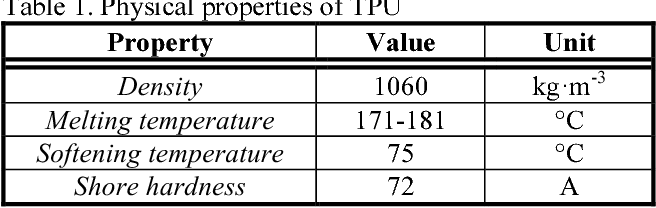
TPU is generally used as an insulating material in some electrical applications, but its electrical performance depends on the formulation and environmental conditions. It is also sensitive to heat: excessive temperatures can soften or degrade the material. The appropriate continuous-use temperature and short-term temperature limits should be checked in the grade’s technical data sheet.
How TPU Is Processed
As a thermoplastic, TPU can be processed using methods such as injection moulding, extrusion and blow moulding, provided the grade is suitable for the chosen process. Some grades are also used in additive manufacturing. Processing requirements, including drying, melt temperature and cooling, vary by product. Following the manufacturer’s recommendations helps reduce defects and maintain consistent properties.
Common Applications
TPU’s combination of flexibility and toughness makes it useful across many industries. Common applications include:
- Footwear soles and components
- Wheels, rollers and conveyor parts
- Protective cases, covers and films
- Hoses, tubing and cable jackets
- Automotive interior and exterior components
- Sports, medical and consumer products
- Industrial seals and flexible components
The suitability of TPU for any particular application depends on the grade, design and conditions of use. For medical, food-contact, electrical or other regulated applications, confirm that the chosen material meets the relevant requirements.
TPU Compared with Other Materials
Compared with many rigid plastics, TPU is more flexible and can provide better elastic recovery. Compared with conventional rubber, it can often be processed using thermoplastic methods and may offer useful wear resistance. However, TPU is not automatically the best choice in every situation. A different elastomer or plastic may be more suitable where continuous high-temperature exposure, specific chemical resistance or lower material cost is the main priority.
Choosing the Right TPU Grade
When selecting TPU, consider the following factors:
- Required hardness, flexibility and elastic recovery
- Expected abrasion, tear and impact conditions
- Contact with oils, chemicals or cleaning agents
- Operating and storage temperatures
- Indoor or outdoor use, including UV exposure
- Manufacturing process and part design
- Applicable safety, regulatory or performance standards
Review the technical data sheet and, where necessary, test samples under realistic operating conditions. Material properties are grade-specific, and the performance of a finished part also depends on its design, processing and environment.
Conclusion
TPU is valued for its combination of elasticity, abrasion resistance, toughness and thermoplastic processability. These properties make it a practical material for flexible components that must withstand repeated use. Because TPU grades can differ significantly, choosing the right formulation—and validating it for the intended application—is essential for reliable performance.
TPU Material Properties: 8 FAQs on Composition, Strength, Benefits, Drawbacks and Uses
- What is the main material of TPU?
- Is TPU a plastic or rubber?
- Is TPU a rubber or plastic?
- What is the disadvantage of TPU?
- Is TPU a strong material?
- What are the benefits of TPU material?
- What is TPU material good for?
- What are the properties of TPU?
What is the main material of TPU?
The main material of TPU is thermoplastic polyurethane, a type of thermoplastic elastomer made from polyurethane. It combines flexible, rubber-like behaviour with the ability to be softened and reshaped using heat. TPU formulations vary, so their exact properties depend on the ingredients and grade used.
Is TPU a plastic or rubber?
TPU (thermoplastic polyurethane) is a thermoplastic elastomer, so it has qualities of both plastic and rubber. Like rubber, it can be flexible and stretch before returning towards its original shape; like plastic, it can be softened with heat and processed using methods such as injection moulding or extrusion. Its exact behaviour depends on the grade, with some types being soft and rubber-like and others firmer.
Is TPU a rubber or plastic?
TPU (thermoplastic polyurethane) is best described as a thermoplastic elastomer: it has rubber-like flexibility and resilience, but can be melted and processed like a plastic. Unlike conventional rubber, which is usually permanently cured, TPU can generally be reshaped using suitable thermoplastic processes. Its exact feel and performance depend on the grade, with some types soft and flexible and others firmer and more rigid.
What is the disadvantage of TPU?
One disadvantage of TPU is that its performance can be affected by prolonged exposure to high temperatures, sunlight or certain chemicals, depending on the grade. It may soften or lose strength in hot conditions, and some formulations can degrade with UV exposure or have limited resistance to specific solvents. TPU can also cost more than some conventional plastics, and it may require careful drying and processing to achieve consistent results. These limitations vary by formulation, so check the grade’s technical data sheet and test it under the intended conditions.
Is TPU a strong material?
Yes, TPU can be a strong and durable material, particularly when resistance to abrasion, tearing and impact is important. It is also flexible, so it can bend or stretch without breaking and often returns to its original shape. However, strength varies between TPU grades and depends on factors such as hardness, temperature, part design and exposure to chemicals or sunlight. For a specific application, check the grade’s technical data sheet and test it under the conditions in which it will be used.
What are the benefits of TPU material?
TPU (thermoplastic polyurethane) offers a useful combination of flexibility, strength and durability. It can stretch and recover its shape, while resisting abrasion, tearing and impact—making it suitable for products exposed to frequent movement or wear. Depending on the grade, TPU can also offer resistance to oils and greases, good low-temperature flexibility, and clear or coloured finishes. As a thermoplastic, it can be processed using methods such as injection moulding and extrusion. The exact benefits vary by formulation, so the grade should be selected to suit the product’s operating conditions and manufacturing requirements.
What is TPU material good for?
TPU (thermoplastic polyurethane) is good for products that need a combination of flexibility, toughness and wear resistance. It is commonly used in footwear components, phone cases, wheels and rollers, hoses, cable jackets, protective films and automotive parts. Many TPU grades can stretch and recover their shape, while resisting abrasion and impact. The best grade depends on factors such as the required hardness, operating temperature, exposure to oils or chemicals, and whether the product will be used indoors or outdoors.
What are the properties of TPU?
TPU (thermoplastic polyurethane) is a flexible, durable material that combines rubber-like elasticity with the processing advantages of plastic. Depending on the grade, it can offer good abrasion, tear and impact resistance, along with resistance to oils and greases. TPU is available in a range of hardnesses, colours and levels of transparency, and many grades retain flexibility at low temperatures. Its heat, chemical and UV resistance vary by formulation, so check the technical data sheet and test the selected grade for the intended conditions of use.