
Understanding Substances: Types, Properties and Everyday Uses
Substances are the materials that make up the world around us. Water, oxygen, salt, metals and plastics are all examples. Studying substances helps us understand how materials behave, how they can be used and how to handle them safely.
What Is a Substance?
In science, a substance is a form of matter with a particular composition and set of properties. It has mass and occupies space. A pure substance contains only one kind of particle and has a consistent composition. Elements and compounds are examples of pure substances.
Elements and Compounds
An element is a pure substance made up of one type of atom. Oxygen, iron, copper and carbon are examples. Elements cannot be broken down into simpler substances by ordinary chemical reactions.
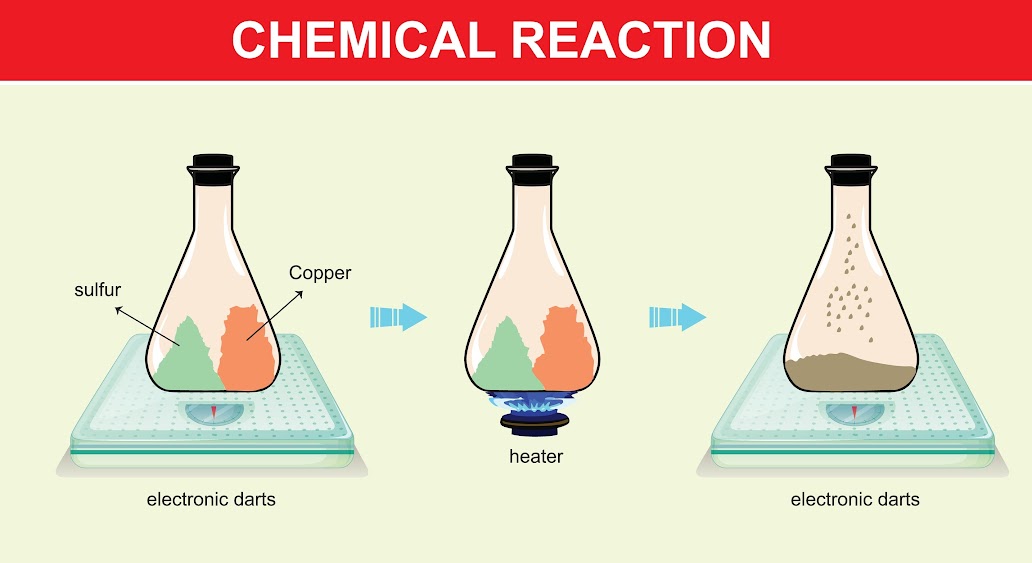
A compound forms when two or more elements combine chemically in a fixed proportion. Water, for instance, is made of hydrogen and oxygen. Common salt is a compound formed from sodium and chlorine. Compounds may have properties that differ significantly from those of the elements they contain.
Mixtures and Pure Substances
Not all materials are pure substances. A mixture contains two or more substances combined physically rather than chemically. Air, soil and many food products are mixtures. Their components may be present in varying proportions and can often be separated using physical methods such as filtration, evaporation or distillation.
Mixtures may be homogeneous, with a uniform composition throughout, or heterogeneous, where different parts can be distinguished. Salt dissolved in water is a homogeneous mixture, while sand in water is heterogeneous.
Properties of Substances
Each substance has physical and chemical properties. Physical properties can be observed or measured without changing the substance’s identity. These include colour, density, hardness, solubility, melting point and boiling point.
Chemical properties describe how a substance behaves when it reacts with other materials. Flammability, acidity and the ability to rust or corrode are examples. Knowing these properties helps scientists and manufacturers select suitable materials for particular applications.
Changes in Substances
A physical change affects a substance’s form or state but does not create a new substance. Ice melting into water is one example. A chemical change produces one or more new substances. Burning wood, cooking an egg and iron rusting are examples of chemical changes.
Substances can commonly exist as solids, liquids or gases. Their state depends on factors such as temperature and pressure. Some substances can also form plasma under particular conditions.
Substances in Everyday Life
Substances are essential to daily life. Water supports living systems, metals are used in buildings and electrical equipment, and polymers are found in packaging, clothing and many household products. Medicines and cleaning products also contain substances chosen for specific functions.
In industry, understanding the composition and properties of substances is important for manufacturing, construction, agriculture, healthcare and technology. Careful material selection can improve product performance, efficiency and durability.
Safe and Responsible Use
Some substances can be harmful if they are inhaled, swallowed or allowed to contact the skin. Always follow product labels and safety instructions, use protective equipment when required, and store chemicals in suitable, clearly labelled containers. Never mix household chemicals unless the label specifically says it is safe to do so.
Responsible use also includes reducing waste and disposing of substances properly. Chemicals, batteries, medicines and electronic products should not automatically be put in household rubbish or poured down drains. Follow local disposal guidance to help protect people and the environment.
Why Learning About Substances Matters
Understanding substances provides a foundation for exploring chemistry and the material world. It helps people make informed choices about products, recognise potential hazards and appreciate how scientific knowledge contributes to safer, more useful and more sustainable materials.
Six Key Benefits of Substances in Everyday Life
- Substances make up everything around us.
- They provide essential materials for daily life.
- They support medicine and healthcare.
- They enable construction and manufacturing.
- They power many scientific and technological advances.
- Understanding substances helps us use them safely.
Five Disadvantages of Substances: Health Risks, Safety Hazards and Environmental Pollution
- Some substances can be toxic or harmful.
- Certain substances are flammable or corrosive.
- Chemical spills can pollute soil and water.
- Improper storage may cause accidents.
- Some materials are difficult to dispose of safely.
Substances make up everything around us.
Substances make up everything around us, from the air we breathe and the water we drink to the food we eat and the materials used in our homes. Every object, whether natural or man-made, consists of one or more substances with particular properties. Understanding these substances helps us explain how things work, choose suitable materials for everyday needs and develop useful products and technologies.
They provide essential materials for daily life.
Substances provide the essential materials that support everyday life. Water helps keep the body hydrated, oxygen is vital for breathing, and nutrients in food support growth and energy. Materials such as metals, glass, wood and plastics are used to make homes, vehicles, appliances, clothing and medical equipment. From cooking and cleaning to transport and communication, substances make countless daily activities possible.
They support medicine and healthcare.
Substances play an important role in medicine and healthcare, from the active ingredients in medicines to the materials used in medical devices and diagnostic tests. They help prevent and treat illness, relieve pain, support accurate diagnosis and maintain hygiene in healthcare settings. When carefully developed, tested and used as directed, these substances can improve patient care and quality of life.
They enable construction and manufacturing.
Substances enable construction and manufacturing by providing the materials needed to build structures and make products. Metals such as steel are used in buildings, vehicles and machinery, while cement and glass are essential in construction. Plastics, ceramics and other materials are used to create everything from household goods to electronic components. Choosing substances with suitable strength, durability and other properties helps make products reliable and fit for purpose.
They power many scientific and technological advances.
Substances power many scientific and technological advances by providing the materials and chemical building blocks needed for new discoveries. From silicon used in computer chips and advanced alloys used in aircraft to medicines that treat disease and materials that store energy, their unique properties help researchers develop more effective technologies. By understanding how substances behave and how they can be combined, scientists and engineers can create solutions that improve healthcare, communication, transport and everyday life.
Understanding substances helps us use them safely.
Understanding substances helps us use them safely in everyday life and at work. Knowing a substance’s properties, possible hazards and correct handling instructions can reduce the risk of accidents, harmful exposure and damage to the environment. Reading product labels, using suitable protective equipment and storing substances properly are simple steps that support safer use.
Some substances can be toxic or harmful.
Some substances can be toxic or harmful if they are inhaled, swallowed or come into contact with the skin. Exposure may cause irritation, illness or more serious health effects, depending on the substance and the amount involved. Read product labels carefully, follow safety instructions, use protective equipment where recommended, and store hazardous substances securely away from children and pets.
Certain substances are flammable or corrosive.
Certain substances can be flammable or corrosive, making them hazardous if handled or stored carelessly. Flammable materials may catch fire when exposed to heat, sparks or open flames, while corrosive substances can damage skin, eyes, metals and other materials. Always read product labels, use appropriate protective equipment, keep such substances away from ignition sources, and store them in suitable, clearly labelled containers.
Chemical spills can pollute soil and water.
Chemical spills can pollute soil and water, harming plants, wildlife and people. Hazardous substances may seep into the ground and contaminate groundwater, or flow into rivers and lakes, affecting drinking-water supplies and aquatic life. Some pollutants persist in the environment for years and can spread through food chains. Careful storage, safe handling and prompt clean-up are essential to reduce the damage caused by spills.
Improper storage may cause accidents.
Improper storage of substances can lead to serious accidents at home, in workplaces and in industrial settings. Chemicals kept in unlabelled containers, placed near heat or stored within reach of children may cause spills, fires, poisoning or harmful reactions. To reduce these risks, keep substances in their original, clearly labelled containers, follow the manufacturer’s storage instructions, separate incompatible products and store them securely away from children, pets and food.
Some materials are difficult to dispose of safely.
Some materials are difficult to dispose of safely because they may contain toxic chemicals, take a long time to break down or release harmful substances into the soil, water and air. Batteries, electronic waste, certain plastics and industrial chemicals often need special collection and treatment rather than being placed in regular household bins. If these materials are handled incorrectly, they can pose risks to people, wildlife and the environment. Following local disposal guidance and using authorised recycling or collection facilities can help reduce these risks.