
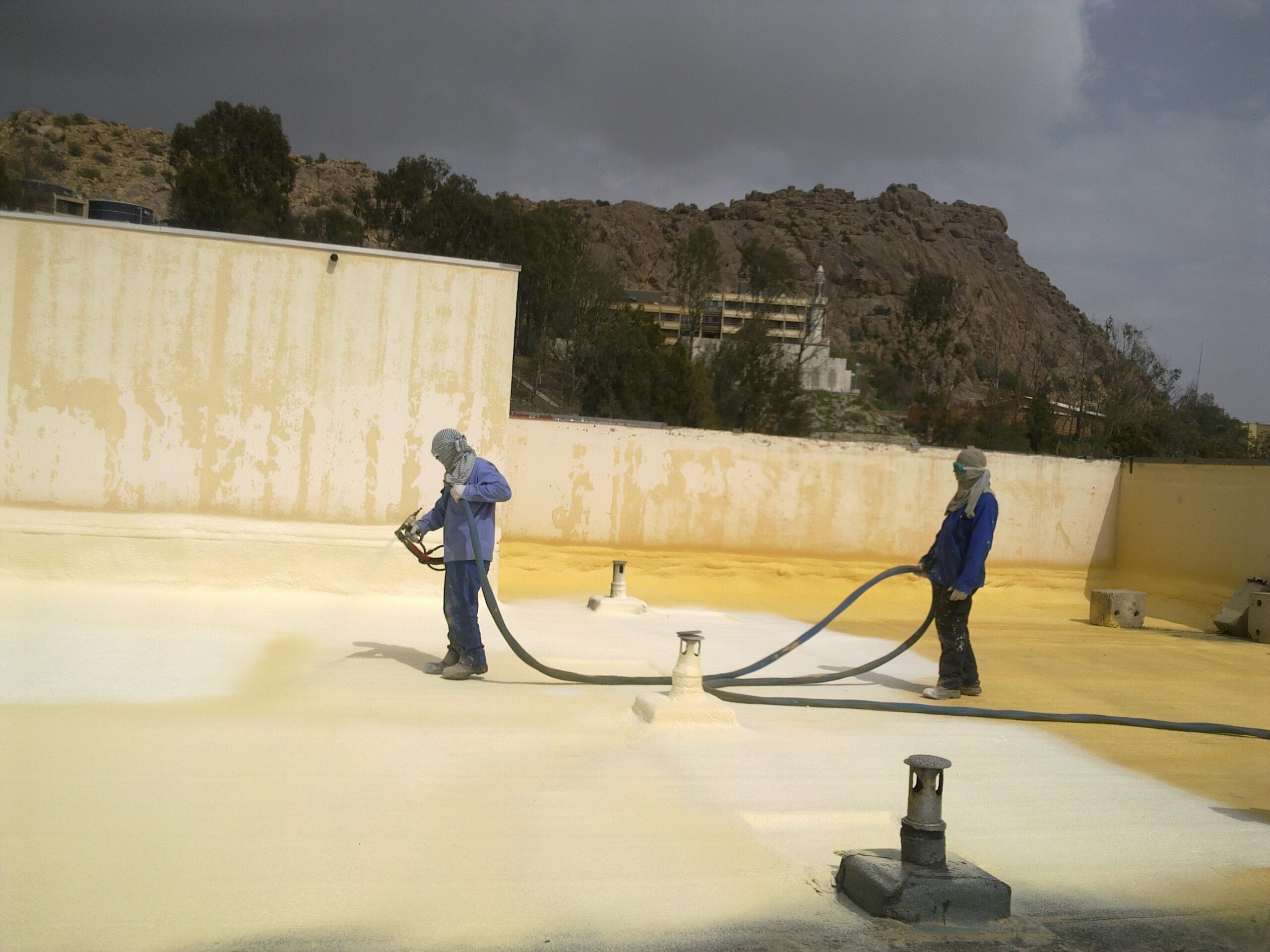
Sprayed Polyurethane Foam: Uses, Benefits and Considerations
Sprayed polyurethane foam (SPF) is an insulation material formed by mixing two liquid components at the point of application. The mixture expands and hardens into foam, adhering to surfaces such as roofs, walls, ceilings and tanks. Because it can fill gaps and follow irregular shapes, SPF is used in buildings and a range of industrial applications.
Types of sprayed polyurethane foam
SPF is generally classified as open-cell or closed-cell foam. The two types differ in density, structure and performance, so the right choice depends on the application and the building design.
- Open-cell foam: This lighter foam has a more flexible, porous structure. It is often used in interior cavities and can provide sound absorption. Its moisture and vapour behaviour should be considered carefully, particularly in humid conditions.
- Closed-cell foam: This denser foam has a more compact structure and can offer higher insulation performance per unit of thickness. It can also resist water penetration, but it is not a substitute for suitable waterproofing or drainage detailing.
Where is SPF used?
In buildings, SPF may be applied to roofs, walls, ceilings and service areas to reduce heat transfer and limit air leakage. It is also used in cold-storage facilities, warehouses, industrial buildings, pipes, tanks and transport applications. The product formulation and installation method must suit the surface, operating conditions and applicable regulations.
Potential benefits
When correctly specified and installed, sprayed foam can provide continuous insulation over complex surfaces and help seal small gaps. This may reduce unwanted air movement and support more consistent indoor temperatures. In some applications, its adhesion and ability to conform to a surface can make it useful where rigid boards or conventional insulation are difficult to fit.
Actual performance depends on factors such as foam type, thickness, installation quality, building design, ventilation and climate. Insulation alone does not guarantee lower energy use; the whole building envelope and its operation matter.
Installation and safety
SPF should be installed by trained professionals using equipment and procedures appropriate to the product. During application, the chemicals and spray mist can present health risks. The work area may need to be vacated and isolated, with suitable protective equipment and ventilation used by installers. Re-entry should follow the product manufacturer’s instructions and the installer’s safety guidance.
Good installation requires proper surface preparation, controlled application and attention to temperature and moisture conditions. Poorly mixed or applied foam may fail to cure correctly, detach from the substrate or perform below expectations. Before work begins, clarify how nearby occupants, workers and sensitive equipment will be protected.
Fire, moisture and building design
Polyurethane foam is combustible. Depending on the application and local building requirements, it may need an approved protective covering or other fire-protection measures. It should not be left exposed where the applicable rules require it to be covered. Confirm fire-safety requirements with a qualified designer or local authority.
Moisture management is equally important. Roof and wall assemblies need appropriate drainage, waterproofing and vapour-control design for their location and use. SPF should not be treated as a cure for existing leaks or dampness; the cause of moisture problems should be addressed before insulation is installed.
Choosing a product and installer
Before selecting SPF, consider the intended use, required insulation performance, exposure to heat or moisture, fire-safety provisions and compatibility with the substrate. Ask the supplier for product data, installation instructions and relevant test information. Check the installer’s experience, training, safety plan and warranty terms, and ensure that the work is consistent with applicable Indian building requirements and project specifications.
Conclusion
Sprayed polyurethane foam can be a versatile insulation option for buildings and industrial facilities, particularly where a continuous coating is useful. Its performance and safety depend on choosing the appropriate foam and ensuring careful design and professional installation. A considered approach to ventilation, moisture control and fire protection is essential for a durable result.
Sprayed Polyurethane Foam (SPF): 6 Frequently Asked Questions
- What is sprayed polyurethane foam (SPF), and how does it work?
- What is the difference between open-cell and closed-cell SPF?
- Where can sprayed polyurethane foam be used?
- What are the benefits of using SPF for insulation?
- Is sprayed polyurethane foam safe, and what precautions are needed during installation?
- How long does sprayed polyurethane foam last, and what maintenance does it require?
What is sprayed polyurethane foam (SPF), and how does it work?
Sprayed polyurethane foam (SPF) is an insulation material made by mixing two liquid components at the point of application. The mixture is sprayed onto a surface, where it expands and hardens into foam, filling gaps and bonding to materials such as roofs, walls and ceilings. This creates an insulating layer that can help reduce heat transfer and air leakage. SPF is available in open-cell and closed-cell forms, which differ in density and performance; the appropriate type depends on the building design and intended use.
What is the difference between open-cell and closed-cell SPF?
Open-cell and closed-cell sprayed polyurethane foam (SPF) differ mainly in their structure, density and moisture performance. Open-cell SPF is lighter and more flexible, with a porous structure that can absorb sound; it is commonly used in interior applications, but its moisture and vapour behaviour needs careful consideration. Closed-cell SPF is denser and more rigid, offering greater insulation per unit of thickness and better resistance to water penetration. The most suitable option depends on the building design, climate, application and relevant safety requirements, so it is best to seek advice from a qualified professional.
Where can sprayed polyurethane foam be used?
Sprayed polyurethane foam can be used on roofs, walls, ceilings and floors to insulate buildings and help seal gaps. It is also applied in cold-storage facilities, warehouses, pipes, tanks and some transport applications. The suitable foam type and installation method depend on the surface, exposure to heat or moisture, building design and applicable safety requirements. For best results, SPF should be specified and installed by trained professionals.
What are the benefits of using SPF for insulation?
Sprayed polyurethane foam (SPF) can provide effective insulation by expanding to fill gaps and form a continuous layer over walls, roofs and other surfaces. This can help reduce heat transfer and unwanted air leakage, supporting more comfortable indoor temperatures and potentially lowering heating and cooling needs. Depending on the type selected, SPF may also offer sound absorption or greater resistance to moisture. The results depend on the product, building design and quality of installation, so SPF should be specified and applied by trained professionals.
Is sprayed polyurethane foam safe, and what precautions are needed during installation?
Sprayed polyurethane foam can be used safely when the product is correctly selected and installed by trained professionals, but its components and spray mist can pose health risks during application and curing. The work area should be isolated, and occupants, other workers and pets should stay away until the installer confirms it is safe to return, following the product manufacturer’s instructions. Installers should use appropriate protective clothing, respiratory protection and ventilation, and take care to protect nearby surfaces and equipment. Before work begins, ask the installer about the product, safety plan, re-entry time and any ventilation requirements; follow applicable Indian regulations and site-specific guidance.
How long does sprayed polyurethane foam last, and what maintenance does it require?
When correctly specified and professionally installed, sprayed polyurethane foam can last for several decades, though its service life depends on the product, exposure, building conditions and quality of installation. It generally needs little routine maintenance, but periodic checks can help identify damage, moisture ingress, cracking, separation from the surface or deterioration of protective coatings. Keep the foam protected from prolonged sunlight and physical damage, and address leaks or other moisture problems promptly. Have any damaged areas assessed and repaired by a qualified professional, following the product manufacturer’s guidance.