
PUR Insulation: A Practical Guide for Indian Buildings
Buildings in India face a wide range of conditions, from intense summer heat to heavy monsoon rainfall and, in some regions, cold winters. Good insulation can help keep indoor spaces more comfortable and reduce the energy needed for heating or cooling. PUR insulation, short for polyurethane insulation, is one option used in roofs, walls, floors, pipes and cold-storage facilities.
What is PUR insulation?
PUR insulation is made from polyurethane foam, a material formed through a chemical reaction that creates a cellular structure. The foam contains many small cells that slow the movement of heat. It is available in several forms, including rigid boards, insulated panels and spray-applied foam.
PUR is sometimes discussed alongside PIR, or polyisocyanurate insulation. Both are rigid foam insulation materials, but they have different formulations and performance characteristics. Product specifications should be checked carefully rather than treating the two as identical.
How does it work?
Heat moves through building materials by conduction, convection and radiation. PUR foam’s cellular structure helps limit heat transfer, while its low thermal conductivity can provide substantial insulation in a relatively slim layer. The actual performance depends on the product, its thickness, the quality of installation and how well the building’s joints and gaps are sealed.
Common forms and uses
- Rigid boards: Used in roofs, walls and floors, often beneath or within other building layers.
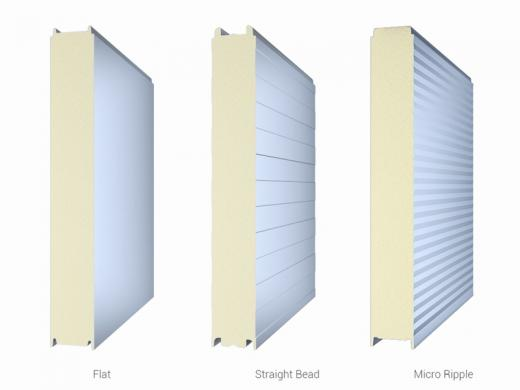
- Insulated panels: Factory-made panels with a PUR core and metal or other facing materials. These are commonly used in industrial buildings and cold rooms.
- Spray-applied foam: Applied as a liquid that expands and hardens. It can be used on suitable surfaces to insulate and seal irregular areas.
- Pipe insulation: Pre-formed sections or other products help reduce heat loss or heat gain in pipework and refrigeration systems.
Potential benefits
- Good insulating performance: PUR can provide effective thermal resistance without requiring a very thick layer.
- Versatile applications: It is used in residential, commercial and industrial settings, including temperature-controlled spaces.
- Air-gap reduction: When correctly selected and installed, some PUR systems can help limit unwanted air movement through gaps.
- Lightweight construction: Rigid foam products generally add less weight than many traditional building materials.
- Potential energy savings: By reducing heat entering or leaving a building, insulation may lower the demand on air-conditioning or heating systems. Savings depend on the building design, climate, occupancy and equipment.
Points to consider
PUR insulation is not suitable for every situation. Its performance and service life depend on correct product selection, protection from moisture and sunlight, and proper detailing around joints, penetrations and building openings. Some products can be affected by ultraviolet exposure, so exposed foam may need an appropriate protective finish.
Fire performance is another important consideration. Foam insulation must be used as part of a suitable building system and protected where required by applicable codes and product guidance. Check the product’s fire-test information, installation instructions and compatibility with the surrounding materials. Do not assume that all PUR products have the same fire characteristics.
Installation quality matters. Poorly fitted boards, unsealed joints or incorrectly applied spray foam can leave thermal bridges or gaps. Spray products should be installed by trained professionals, with the area prepared and occupants protected according to the manufacturer’s instructions. Adequate ventilation and appropriate personal protective equipment are essential during application and curing.
Choosing PUR insulation in India
Before selecting a product, consider the building’s location, roof and wall construction, indoor use, exposure to moisture and required thermal performance. Ask suppliers for technical data, including thermal conductivity, density, moisture-related properties, fire-test details and recommended installation methods. For larger projects, consult an architect, building-services professional or qualified insulation contractor.
It is also important to check applicable Indian building requirements and local fire-safety rules. An insulation product should be assessed as part of the complete wall, roof or floor assembly—not in isolation.
Conclusion
PUR insulation can be an effective solution for improving thermal performance in buildings, cold rooms and industrial applications. Its benefits depend on selecting the right product and installing it correctly, with suitable attention to moisture control, fire safety and protective finishes. Careful design and professional advice can help determine whether PUR is the right choice for a particular project.
PUR Insulation FAQs: Uses, Benefits, Safety, Cost in India and Maintenance
- What is PUR insulation and how does it work?
- Where is PUR insulation commonly used?
- What are the main benefits of PUR insulation?
- Is PUR insulation safe and fire-resistant?
- How much does PUR insulation cost in India?
- How long does PUR insulation last, and how should it be maintained?
What is PUR insulation and how does it work?
PUR insulation, or polyurethane insulation, is a lightweight insulating material available as rigid boards, panels or spray foam. Its structure contains many tiny cells that slow the transfer of heat through roofs, walls, floors and other surfaces. This helps keep indoor spaces cooler in hot weather and warmer in cold conditions, potentially reducing the need for air-conditioning or heating. Its effectiveness depends on the product’s thickness and quality, as well as correct installation and protection from moisture, sunlight and fire.
Where is PUR insulation commonly used?
PUR insulation is commonly used in roofs, walls and floors to help reduce heat transfer and improve indoor comfort. It is also found in insulated panels for industrial buildings, warehouses and cold-storage facilities, as well as around pipes in heating, cooling and refrigeration systems. Its suitability depends on the building design, local conditions and the product’s specifications.
What are the main benefits of PUR insulation?
PUR insulation offers high thermal resistance in a relatively thin, lightweight layer, helping to limit heat transfer and maintain more comfortable indoor temperatures. When correctly selected and installed, it can reduce the need for heating or air-conditioning and may help lower energy use. PUR is available in boards, insulated panels and spray-applied forms, making it suitable for applications such as roofs, walls, floors, pipes and cold rooms. Its performance depends on proper installation and appropriate protection from moisture, sunlight and fire.
Is PUR insulation safe and fire-resistant?
PUR insulation can be used safely when the product is selected and installed according to its instructions and applicable building and fire-safety requirements. However, PUR products vary in their fire performance and should not be described as fireproof. The insulation may need to be protected by suitable linings or finishes, and the complete wall, roof or floor system should meet relevant fire-safety standards. Check the manufacturer’s test data and consult a qualified professional to confirm that the product is appropriate for your application.
How much does PUR insulation cost in India?
The cost of PUR insulation in India varies depending on the product type, thickness, density, application, project size and installation requirements. Rigid boards, insulated panels and spray-applied foam may have different material and labour costs, while transport and regional availability can also affect the total. For an accurate estimate, request itemised quotations from reputable suppliers or installers and compare product specifications, thermal performance, fire-safety details and warranty terms—not just the price per square foot.
How long does PUR insulation last, and how should it be maintained?
PUR insulation can last for several decades when it is correctly specified, installed and protected from moisture, sunlight, physical damage and excessive heat; its actual service life depends on the product and building conditions. Maintenance is generally straightforward: check accessible areas periodically for leaks, dampness, cracks, gaps, compression or damage to protective coverings, and address the cause promptly. Keep exposed foam protected as directed by the manufacturer, and have any repairs or inspections carried out by a qualified professional.