
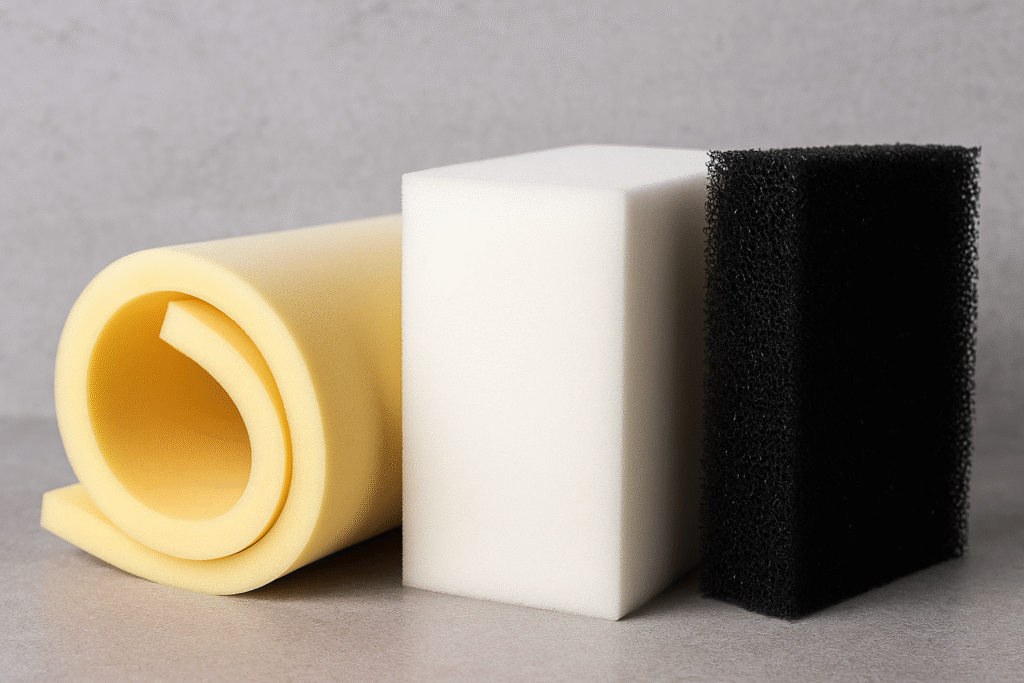
PU Sponge: Uses, Benefits and How to Choose the Right Type
A PU sponge is a sponge made from polyurethane (PU) foam. Lightweight, versatile and available in a wide range of densities and textures, it is used in products ranging from household cleaning pads to furniture, vehicles and protective packaging. The term “PU sponge” can refer to several kinds of foam, so its properties depend on how it is made and what it is designed to do.
What is a PU sponge?
Polyurethane foam is produced by reacting chemical ingredients to form a cellular structure. Many flexible PU sponges have an open-cell structure, which allows air and liquid to pass through to varying degrees. Other formulations are made for specific purposes, such as cushioning, filtration or sound absorption.
PU sponges are available in different densities, firmness levels, pore sizes and colours. These features influence how a sponge feels and performs. A soft, flexible grade may suit cushioning, while a firmer or more durable grade may be selected for repeated handling or cleaning.
Common uses
- Household cleaning: Used in cleaning sponges and pads, often alongside other materials or abrasive layers.
- Furniture and bedding: Flexible PU foam is used in cushions, mattresses and upholstery.
- Automotive interiors: Foam may be used in seating, headrests, interior trim and sound-dampening components.
- Packaging: Cut-to-shape foam can help cushion products during storage and transport.
- Filtration and sound control: Specially designed grades can be used for air or liquid filtration and acoustic applications.
- Personal care and other products: Certain grades are made for applications such as cosmetic applicators or craft materials.
Benefits of PU sponge
One of the main advantages of PU sponge is its versatility. Manufacturers can produce foam with different levels of softness, resilience, density and porosity. It can also be cut or shaped to fit a particular product. Depending on the grade, PU foam may offer useful cushioning, absorbency, flexibility or sound absorption.
These properties are not the same for every PU sponge. For example, a foam designed for cushioning may not be suitable for filtration, and a cleaning sponge may not be appropriate for use on delicate surfaces.
How to choose a PU sponge
Start by identifying the intended use. Consider the following points before choosing a product:
- Firmness and density: Select a grade that provides the required support or feel.
- Pore structure: Pore size and openness affect airflow, liquid absorption and filtration performance.
- Durability: For frequent use, check whether the product is designed to resist wear and repeated compression.
- Dimensions and shape: Ensure the sponge fits the application and can be trimmed safely if needed.
- Surface compatibility: For cleaning, test the sponge on a small, inconspicuous area first, especially on polished or delicate surfaces.
- Application requirements: For uses involving food, skin, medical settings or high temperatures, confirm that the specific product is rated and tested for that purpose.
Care and safe use
Follow the manufacturer’s care instructions. Household sponges should be rinsed after use, allowed to dry properly and replaced when they become worn, damaged or develop an unpleasant odour. Avoid using a sponge with unsuitable cleaning chemicals, and do not assume that every PU sponge is food-safe, skin-safe or suitable for contact with drinking water.
Keep foam away from open flames and excessive heat unless the product is specifically designed and tested for such conditions. When cutting or handling foam, follow the supplier’s guidance and use appropriate tools and ventilation where advised.
Environmental considerations
PU sponge products can have a long useful life when chosen and maintained appropriately, but disposal and recycling options vary by product and location. Check local waste-management guidance and ask the supplier whether a particular foam can be reused or recycled. Choosing the right grade for the job can also help reduce premature replacement and unnecessary waste.
In summary
PU sponge is a broad category of polyurethane foam products valued for their range of textures, densities and uses. From cleaning and cushioning to packaging and filtration, the right choice depends on the sponge’s construction and the demands of the application. Checking the product specifications—and using it only for its intended purpose—helps ensure better performance and safe use.
6 Key Benefits of PU Sponge
- Lightweight and easy to handle
- Available in varied densities and textures
- Offers effective cushioning
- Can be cut into different shapes
- Suitable for many applications
- Often durable with proper care
PU Sponge Drawbacks: Wear and Tear, Recycling Challenges, and Odour or Moisture Absorption
- May wear out with frequent use.
- Can be difficult to recycle.
- Some types may absorb odours or moisture.
Lightweight and easy to handle
PU sponge is lightweight, making it easy to lift, carry and handle during everyday use. Its low weight can also make products such as cushions, packaging inserts and cleaning pads more convenient to move and position. This practical feature helps reduce handling effort while allowing the sponge to remain versatile across a range of applications.
Available in varied densities and textures
PU sponges are available in a wide range of densities and textures, making them suitable for many different applications. Softer, lighter varieties can provide gentle cushioning, while firmer, denser options offer greater support and durability. Their texture can also be selected to suit specific needs, from smooth surfaces for delicate use to more open or coarse structures for improved airflow, absorption or cleaning.
Offers effective cushioning
PU sponge offers effective cushioning by absorbing and distributing pressure, helping reduce impact on the person or product it supports. Its softness and resilience can provide comfort in items such as cushions, mattresses, vehicle seats and protective packaging. The level of cushioning varies with the sponge’s density and firmness, so choosing the right grade is important for the intended use.
Can be cut into different shapes
PU sponge can be easily cut into different shapes and sizes to suit a wide range of applications. It can be shaped for cushions, packaging inserts, cleaning products and custom components, helping manufacturers create designs that fit specific spaces and requirements.
Suitable for many applications
PU sponge is suitable for many applications because it can be made in a range of densities, firmness levels and pore structures. Depending on its formulation, it can provide cushioning in furniture and vehicle interiors, absorb liquids in cleaning products, or offer support in packaging and filtration. This versatility makes PU sponge a practical choice for products used at home, in industry and in commercial settings.
Often durable with proper care
PU sponge can be durable when it is suited to the task and cared for properly. Rinsing it after use, allowing it to dry thoroughly and following the manufacturer’s instructions can help it retain its shape and function for longer. Its lifespan varies by type and usage, so replace it when it becomes worn, damaged or less effective.
May wear out with frequent use.
One drawback of PU sponge is that it may wear out with frequent use. Repeated squeezing, rubbing and exposure to cleaning products can gradually weaken its structure, causing it to lose its shape, softness or effectiveness. Choosing a sponge suited to the task, rinsing it after use and allowing it to dry properly can help extend its life, though it will still need replacing when it becomes worn or damaged.
Can be difficult to recycle.
PU sponge can be difficult to recycle because it is often made from complex polyurethane foam, which may be mixed with fabrics, adhesives or other materials. These combinations can make separation and processing challenging, while recycling facilities for polyurethane are not widely available in every area. As a result, used PU sponge may end up in landfill unless a suitable collection or recycling programme is accessible. Checking local disposal options and choosing durable products can help reduce waste.
Some types may absorb odours or moisture.
Some types of PU sponge may absorb moisture or retain odours, particularly when they remain damp or are not cleaned and dried properly. This can affect freshness and hygiene over time, especially in frequently used household or upholstery applications. Choosing a sponge suited to its intended use, following the care instructions and allowing it to dry thoroughly between uses can help reduce this issue.