
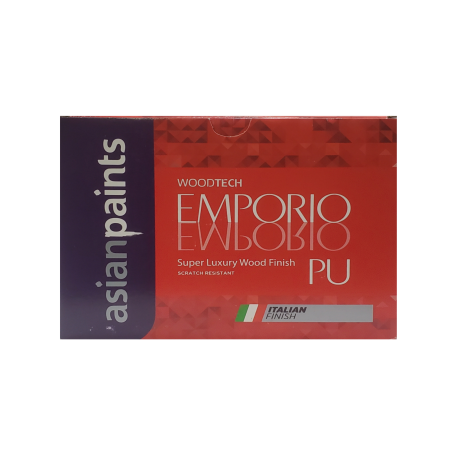
PU Sealer for Exterior Surfaces: Uses, Benefits and Application Tips
A polyurethane (PU) sealer is a protective coating used to help shield surfaces from moisture, stains, abrasion and everyday weathering. For exterior use, the right formulation can help preserve the appearance and service life of materials such as timber, concrete and masonry. However, not every PU sealer is suitable for outdoor exposure, so choosing a product specifically labelled for the intended surface and conditions is essential.
What Is an Exterior PU Sealer?
PU sealers form a protective film over a surface. Depending on the formulation, they may be water-based or solvent-based, and may provide a clear, satin, semi-gloss or gloss finish. Products vary in their resistance to sunlight, rain, temperature changes, chemicals and abrasion.
For surfaces exposed to strong sunlight, check that the product is designed for exterior use and offers suitable UV resistance. Some polyurethane coatings can yellow or lose their appearance when exposed to sunlight. Aliphatic PU formulations are often chosen where colour stability is important, but the product’s technical data sheet should always guide the selection.
Common Exterior Applications
- Timber: Doors, windows, outdoor furniture, railings and other exterior woodwork.
- Concrete: Selected floors, steps, patios and other areas where a compatible coating is specified.
- Masonry: Certain prepared surfaces, provided the sealer is approved for the substrate and allows the required level of moisture vapour movement.
Suitability depends on the surface, exposure and product formulation. A sealer intended for timber may not be appropriate for concrete, and a floor coating may not be suitable for a vertical exterior wall.
Benefits
- Moisture protection: Helps reduce water penetration when correctly applied to a suitable, prepared surface.
- Stain and dirt resistance: A sealed surface can be easier to clean and maintain.
- Wear resistance: Some formulations offer good resistance to scuffing and abrasion.
- Enhanced appearance: Clear finishes can highlight the natural look of timber or bring out the colour of a substrate.
- Longer-lasting finish: Using an appropriate exterior-grade product can help reduce surface deterioration, though periodic inspection and maintenance are still necessary.
How to Choose the Right Product
Before buying a PU sealer, consider the following:
- Substrate: Confirm that the product is suitable for wood, concrete, masonry or the specific material being coated.
- Exposure: Consider direct sun, rain, coastal conditions, standing water and foot traffic.
- Finish and colour: Check the available sheen and whether the coating may alter the surface colour.
- Compatibility: Make sure the sealer is compatible with existing coatings, primers, stains or treatments.
- Maintenance: Review the recommended recoating schedule and preparation requirements.
- Technical guidance: Read the product label and technical data sheet for coverage, drying time, application method and weather limits.
Surface Preparation and Application
- Prepare the surface: Remove dust, dirt, grease, loose paint and other contaminants. Repair defects and sand timber where required.
- Check moisture and condition: The surface should be sound and within the moisture limits specified by the manufacturer. Do not coat damp or unstable substrates unless the product specifically allows it.
- Test first: Apply the sealer to a small, inconspicuous area to check adhesion and appearance.
- Apply as directed: Use the recommended brush, roller or spray method, and apply the specified number of coats. Avoid applying too thickly.
- Allow proper curing: Protect the coated surface from rain, dust and use for the period stated on the product label.
Weather conditions matter. Avoid application during rain, on a hot surface, or when high humidity or low temperatures fall outside the manufacturer’s guidance. These conditions can affect drying, adhesion and the final finish.
Safety and Maintenance
Follow the product’s safety instructions. Some solvent-based PU products release strong fumes and require good ventilation, suitable protective equipment and careful handling. Keep coatings away from ignition sources where specified, and store and dispose of them according to the label and local requirements.
Inspect exterior surfaces periodically for peeling, fading, cracks or water damage. Clean gently and recoat when needed, following the recommended preparation process. Regular maintenance can help keep the finish effective and attractive.
Conclusion
A PU sealer can be a useful protective finish for exterior timber and other compatible surfaces, but performance depends on selecting the right formulation and applying it correctly. Check that the product is designed for outdoor exposure, suitable for the substrate and appropriate for local weather conditions. When in doubt, consult the manufacturer or a qualified coating professional before application.
Exterior PU Sealer: 6 Frequently Asked Questions
- What is a PU sealer for exterior surfaces?
- Which exterior surfaces can be coated with a PU sealer?
- Is PU sealer waterproof and suitable for rain exposure?
- Does exterior PU sealer resist UV rays and prevent yellowing?
- How should a surface be prepared before applying exterior PU sealer?
- How many coats of exterior PU sealer are needed, and how often should it be reapplied?
What is a PU sealer for exterior surfaces?
A PU (polyurethane) sealer for exterior surfaces is a protective coating applied to materials such as timber or concrete to help guard against moisture, dirt, stains and everyday wear. Exterior-grade formulations may also offer resistance to sunlight and changing weather conditions, though suitability depends on the product and surface. Always check the label to ensure the sealer is designed for outdoor use and compatible with the material being coated.
Which exterior surfaces can be coated with a PU sealer?
A PU sealer can be used on exterior timber, concrete and certain masonry surfaces, such as doors, outdoor furniture, steps and patios, provided the product is specifically formulated for that material and outdoor exposure. Suitability varies by formulation, so check the manufacturer’s instructions for the surface, weather conditions and any preparation or primer required.
Is PU sealer waterproof and suitable for rain exposure?
A PU sealer can help resist water and protect a suitable surface from rain, but it should not automatically be considered completely waterproof. Performance depends on the product formulation, surface preparation, application and curing, as well as exposure conditions. For outdoor use, choose a sealer specifically labelled for exterior applications and check the manufacturer’s guidance on rain resistance, UV exposure and maintenance. Apply it only under the recommended weather conditions, and allow it to cure fully before rain reaches the surface.
Does exterior PU sealer resist UV rays and prevent yellowing?
An exterior PU sealer can offer UV resistance, but its ability to prevent yellowing depends on the formulation. Aliphatic polyurethane products generally provide better colour stability in sunlight, while some aromatic PU coatings may yellow or discolour over time. Check the product label or technical data sheet for UV resistance and exterior suitability; even UV-resistant coatings may need periodic maintenance and recoating.
How should a surface be prepared before applying exterior PU sealer?
Before applying an exterior PU sealer, ensure the surface is sound, clean and completely dry, and check that its moisture level meets the product manufacturer’s recommendations. Remove dust, grease, dirt, loose paint and any old coating that is peeling or incompatible; repair cracks or other defects, then sand timber if required and remove all sanding dust. Apply the sealer only to a properly prepared surface, following the product label for any primer or special preparation, and test a small, inconspicuous area first to check adhesion and appearance.
How many coats of exterior PU sealer are needed, and how often should it be reapplied?
Most exterior PU sealers need two or three coats, but the exact number depends on the product, surface and exposure, so follow the manufacturer’s instructions. Apply each coat at the recommended coverage and drying interval, ensuring the surface is clean and properly prepared. Reapplication is typically needed when the coating shows signs of wear, such as fading, peeling or reduced water resistance; the timing can range from a few years to longer depending on sunlight, rain, use and maintenance. Inspect the surface regularly and check the product guidance before recoating.