
PU Insulation: A Practical Guide for Indian Buildings and Industries
PU insulation, short for polyurethane insulation, is a thermal insulation material used to reduce heat transfer through roofs, walls, floors, pipes and equipment. It is available in forms such as rigid boards, spray-applied foam and insulated panels. Because it can provide strong insulating performance in a relatively thin layer, PU is used in homes, commercial buildings, cold rooms, warehouses and industrial facilities across a range of climates.
What Is PU Insulation?
Polyurethane is a polymer that can be made into a rigid, lightweight foam. Many PU insulation products have a closed-cell structure: small cells filled with gas help limit heat flow through the material. The exact performance depends on the product formulation, density, thickness, installation quality and facing material.
Polyisocyanurate, commonly called PIR, is a related insulation material often used in rigid boards and insulated panels. PU and PIR products have some similarities, but their properties and fire performance can differ. Product specifications should be checked rather than treating the two materials as identical.
Common Forms and Uses
- Rigid boards: Used in roofs, walls and floors, including in retrofit projects where space is limited.
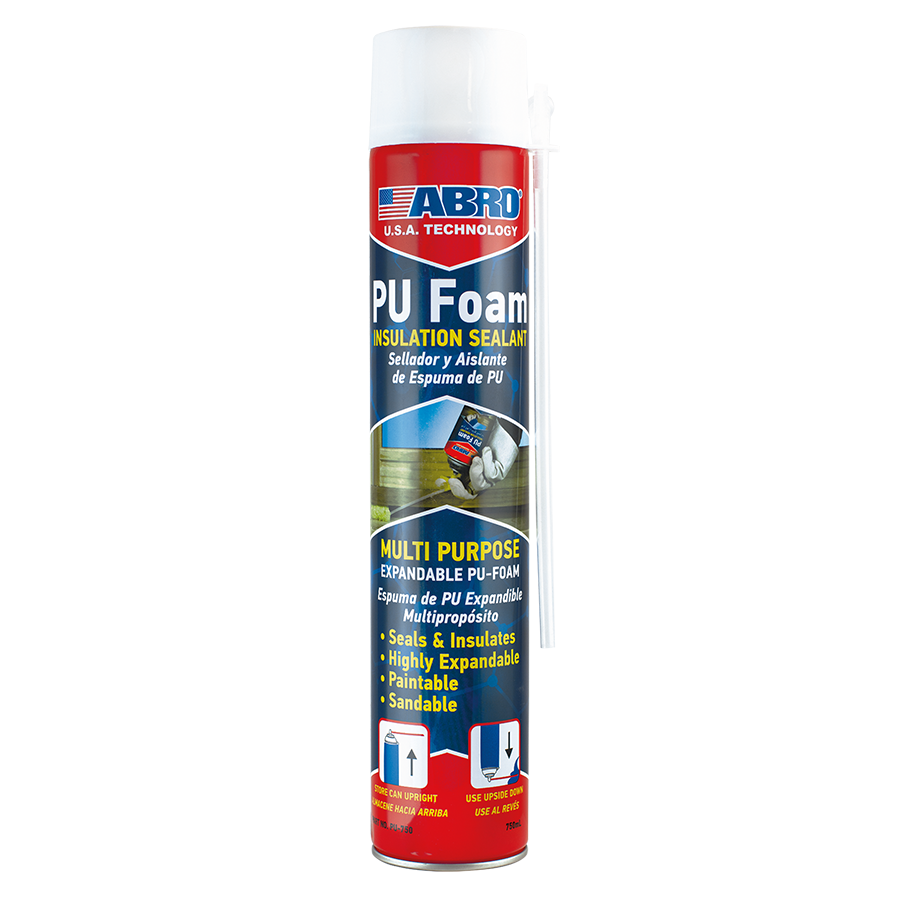
- Spray foam: Applied to suitable surfaces to create an insulating layer and help seal gaps. It requires trained application and careful control of thickness and coverage.
- Insulated panels: Factory-made panels with an insulation core between facing sheets. They are used for industrial buildings, warehouses, clean rooms and cold storage.
- Pipe and equipment insulation: Used to help maintain temperatures in heating, cooling and process systems.
Benefits of PU Insulation
Good thermal performance: PU insulation can offer substantial resistance to heat flow for its thickness. This may help reduce heat entering a building during hot weather and limit heat loss in temperature-controlled spaces.
Space efficiency: Where construction depth is restricted, a thinner layer of a suitable high-performance product may achieve the required insulation level. The design should be based on product data and the building’s needs.
Potential energy savings: By reducing unwanted heat transfer, insulation can lower the demand on air-conditioning, refrigeration or heating equipment. Actual savings depend on factors such as climate, building design, equipment efficiency, operating hours and workmanship.
Versatile applications: PU products are available in different shapes and installation formats, making them useful for both new construction and selected renovation projects.
Choosing PU Insulation in India
India has varied climatic conditions, from hot and humid coastal regions to dry interiors and colder areas at higher elevations. The right insulation solution depends on the location, building use, roof and wall construction, ventilation strategy and whether cooling or heating is required.
Before selecting a product, consider:
- The product’s declared thermal conductivity and recommended thickness.
- Moisture exposure, condensation risk and the need for vapour control.
- Fire performance, including the complete assembly and required approvals.
- Compatibility with the roof, wall, waterproofing and finishing systems.
- Resistance to ageing, damage, pests and the conditions expected in service.
- Installation requirements, maintenance access and the product warranty.
Installation and Safety
Correct installation is essential. Gaps, compressed boards, poorly sealed joints or uneven spray application can reduce performance. Spray-applied products should be installed by trained professionals using suitable equipment and protective measures. Occupants should follow the installer’s guidance on access, ventilation and re-entry during and after application.
PU insulation is not automatically fireproof. Its fire behaviour depends on its formulation, thickness, facing and the way it is incorporated into a building assembly. It may need to be protected by an appropriate lining or barrier. Always verify compliance with applicable building requirements and consult a qualified professional for the specific project.
Environmental Considerations
Insulation can help reduce energy use over a building’s lifetime, but its overall environmental impact also depends on how it is manufactured, installed, maintained and disposed of. Ask suppliers for relevant product information, including environmental declarations where available, and consider the durability and end-of-life options of the complete system.
Conclusion
PU insulation can be a useful option for improving thermal performance in buildings and industrial applications. Its effectiveness depends not only on the material, but also on selecting the right product, designing for local conditions and ensuring careful installation. Comparing technical specifications and seeking advice from qualified designers or contractors can help identify a suitable solution for each project.
5 Key Benefits of PU Insulation
- Offers effective thermal insulation.
- Helps reduce energy use.
- Requires less thickness for good insulation.
- Available in boards, spray foam and panels.
- Suitable for buildings and industrial uses.
6 Disadvantages of PU Insulation to Consider Before Installation
- Can be more expensive than some alternatives.
- Requires careful professional installation.
- May need protective fire-resistant lining.
- Can release fumes during installation.
- Moisture problems may occur if poorly detailed.
- Recycling and disposal can be challenging.
Offers effective thermal insulation.
PU insulation offers effective thermal insulation by slowing the transfer of heat through roofs, walls, floors and equipment. Its cellular structure helps maintain more stable indoor temperatures, keeping spaces cooler in hot weather and reducing heat loss when conditions are cold. This can improve comfort and may help lower the energy needed for air-conditioning or heating, depending on the building design, climate and quality of installation.
Helps reduce energy use.
PU insulation helps reduce energy use by slowing the transfer of heat through roofs, walls, floors and pipes. This can help buildings stay cooler in hot weather and reduce the workload on air-conditioning systems. In temperature-controlled facilities, it can also help maintain stable conditions. The actual energy savings depend on factors such as the building design, local climate, insulation thickness and quality of installation.
Requires less thickness for good insulation.
PU insulation provides effective thermal resistance with comparatively less thickness than many conventional insulation materials. This space-saving advantage makes it useful where roof, wall or floor depth is limited, while helping maintain comfortable indoor temperatures and reduce heat transfer. The thickness required depends on the product specifications, building design and local conditions, so it should be selected with guidance from a qualified professional.
Available in boards, spray foam and panels.
PU insulation is available in several formats to suit different applications. Rigid boards can be fitted to roofs, walls and floors, while spray foam can be applied to suitable surfaces and around irregular shapes. Insulated panels, which have a PU core between facing sheets, are commonly used in warehouses, cold rooms and other large buildings. This choice of formats makes it easier to select an insulation solution based on the space, design and installation requirements.
Suitable for buildings and industrial uses.
PU insulation is suitable for a wide range of building and industrial applications. In buildings, it can be used in roofs, walls and floors to help reduce heat transfer and support comfortable indoor temperatures. In industry, PU insulation is used in cold rooms, warehouses, pipes, tanks and temperature-controlled equipment. Its availability in boards, spray foam and insulated panels makes it adaptable to different structures and project requirements.
Can be more expensive than some alternatives.
One drawback of PU insulation is that it can cost more upfront than some alternatives, such as glass wool or expanded polystyrene. The final price depends on the product type, thickness, installation method and project requirements. While its insulating performance may help offset the initial expense over time through lower energy use, it is worth comparing the total installed cost and expected long-term savings before making a decision.
Requires careful professional installation.
PU insulation requires careful installation by trained professionals to ensure consistent coverage, the correct thickness and properly sealed joints. Poor workmanship can leave gaps or uneven areas, reducing thermal performance and potentially allowing moisture-related problems. Spray-applied PU foam also calls for suitable equipment, protective measures and adherence to the manufacturer’s instructions, so professional installation is important for achieving safe, reliable results.
May need protective fire-resistant lining.
PU insulation may need to be covered with a suitable fire-resistant lining, as the foam itself is not automatically fireproof. The required protection depends on the product, its location and the building design, so the full insulation assembly should meet applicable fire-safety requirements. This additional lining can increase installation costs and take up some space, making it important to plan for it during design and installation.
Can release fumes during installation.
One drawback of PU insulation is that it can release fumes during installation, particularly when spray foam is applied. These emissions may irritate the eyes, skin or respiratory system, so the area should be properly ventilated and kept clear of occupants and unprotected workers during application and curing. Installation should be carried out by trained professionals using appropriate protective equipment, and the product manufacturer’s safety instructions should always be followed.
Moisture problems may occur if poorly detailed.
PU insulation can contribute to moisture problems if it is poorly detailed or installed. Gaps, unsealed joints or an incorrectly positioned vapour-control layer may allow moist air to reach cooler surfaces, where condensation can form. Over time, trapped moisture may damage finishes or adjacent materials and affect the insulation system’s performance. Careful detailing, suitable moisture control and professional installation help reduce these risks.
Recycling and disposal can be challenging.
Recycling and disposal of PU insulation can be challenging because the material is durable, often bonded to other layers, and difficult to separate once installed. Some products may also contain facings, adhesives or other materials that complicate processing. As a result, PU insulation is not always accepted by local recycling facilities and may end up in landfill if suitable recovery options are unavailable. Planning for responsible removal and checking local waste-management guidance can help reduce its environmental impact.