
PU Foam Wall Panels: A Practical Guide for Indian Buildings
PU foam wall panels are insulated panels made with a polyurethane (PU) foam core and protective outer facings, commonly metal sheets. They are used in commercial, industrial and some residential buildings where thermal insulation, quick installation and a neat finish are important.
What Is a PU Foam Wall Panel?
A typical PU foam wall panel is a sandwich construction. The foam core sits between two facing materials, such as pre-painted steel or other suitable sheets. The facings provide a finished surface and help protect the core, while the polyurethane foam helps reduce heat transfer through the wall.
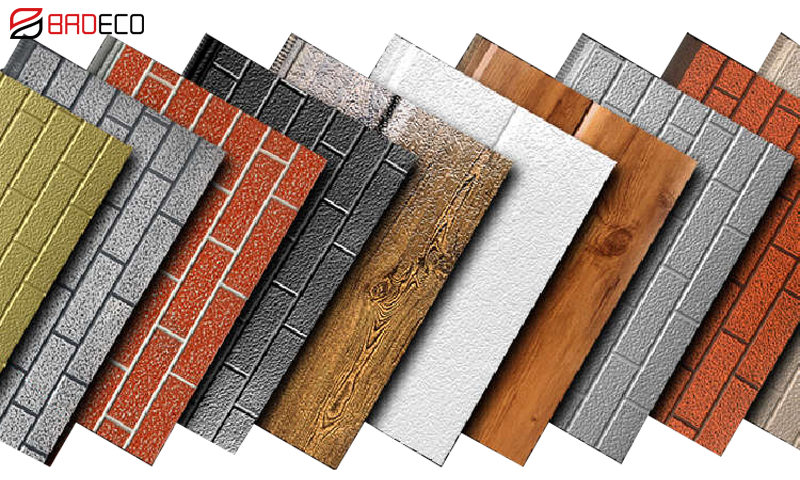
Panel design varies by manufacturer. Options may differ in thickness, facing material, joint profile, colour and surface finish. Panels are often made with tongue-and-groove or similar interlocking edges to help form a continuous wall.
Common Applications
- Cold rooms and refrigerated storage facilities
- Food processing and pharmaceutical facilities
- Warehouses, factories and workshops
- Modular buildings and site offices
- Commercial buildings that require insulated partitions or external walls
- Cleanrooms and controlled-environment spaces, when designed for the relevant requirements
The right panel depends on the building’s use, local climate, hygiene needs and applicable regulations. A panel suitable for a warehouse may not meet the requirements of a cold room or a cleanroom.
Potential Benefits
Thermal insulation
PU foam is used as an insulating core because it can help limit heat flow through a wall. This may help maintain indoor temperatures and reduce the load on heating or cooling equipment. Actual performance depends on the panel’s thickness, construction, joints, installation quality and surrounding building design.
Quick installation
Panels are manufactured to specified dimensions and fitted on site, which can make wall construction faster than some conventional methods. Careful planning and accurate installation remain essential, particularly around corners, openings and service penetrations.
Lightweight construction
Compared with some traditional wall systems, insulated panels can be relatively lightweight. This may be useful for certain building designs, although the supporting structure must still be designed for the panel system, wind loads and other site conditions.
Neat, finished surfaces
Factory-finished facings can provide a consistent appearance and may be easier to clean than unfinished surfaces. The required facing and coating should be selected for the expected exposure, cleaning method and indoor environment.
Choosing the Right Panel
Before purchasing PU foam wall panels, consider the following:
- Insulation requirement: Select the panel thickness and specification based on the required indoor temperature and local conditions.
- Facing material and coating: Match the finish to exposure, cleaning needs and the risk of corrosion or chemical contact.
- Panel dimensions and joints: Check that the panel layout suits the building and allows for well-sealed connections.
- Structural requirements: Confirm that the support system and fixings are suitable for the panel size and site loads.
- Fire and building-code requirements: Review test data and applicable Indian regulations for the intended use. PU foam is combustible, so a panel should never be described as fireproof without appropriate, verified evidence.
- Supplier documentation: Request technical data, installation instructions, warranty terms and relevant test reports.
Installation and Maintenance
Good installation is important for both performance and durability. The supporting framework should be properly aligned, panels should be handled without damaging their facings, and joints should be fitted and sealed as specified by the manufacturer. Special attention is needed around doors, windows, corners, roof connections and service openings, where gaps can allow air or moisture to pass through.
Inspect panels periodically for damaged coatings, loose fixings, open joints or signs of water ingress. Use cleaning products and methods recommended by the supplier, as harsh chemicals or abrasive tools may damage the surface finish. Any repair should maintain the panel’s weather protection and, where relevant, hygiene and fire-safety requirements.
Conclusion
PU foam wall panels can be a useful option for buildings that need insulation and a relatively quick, finished wall system. Their suitability depends on the application, panel specification, installation quality and compliance with relevant safety requirements. Compare technical documentation from reputable suppliers and consult a qualified designer or contractor before making a selection.
5 Essential Tips for Choosing and Installing PU Foam Wall Panels Safely
- Choose panels with a fire-retardant rating.
- Check thickness and insulation needs before buying.
- Ensure the wall is clean, dry and level.
- Use recommended adhesive and proper safety gear.
- Seal joints to reduce gaps and moisture entry.
Choose panels with a fire-retardant rating.
When selecting PU foam wall panels, check that they have a fire-retardant rating suitable for your building’s use and comply with applicable Indian safety requirements. Ask the supplier for test certificates and documentation confirming the panel’s fire performance, and have the specification reviewed by a qualified building professional. Fire-retardant panels can help reduce fire risk, but they are not fireproof; correct installation and suitable fire-safety measures are also essential.
Check thickness and insulation needs before buying.
Before buying a PU foam wall panel, check the thickness required for your building and the level of insulation needed. The right choice depends on factors such as the indoor temperature you want to maintain, local climate and how the space will be used. A suitably specified panel can help manage heat transfer and support energy efficiency, while an unsuitable thickness may not meet your performance needs. Compare supplier specifications and consult a qualified professional if you are unsure.
Ensure the wall is clean, dry and level.
Before installing a PU foam wall panel, ensure the wall is clean, dry and level. Remove dust, grease, loose paint and other debris, and allow any damp areas to dry fully. A flat, even surface helps the panels fit securely, reduces gaps and supports a neat finish. Repair uneven or damaged areas before installation, following the panel manufacturer’s instructions.
Use recommended adhesive and proper safety gear.
When installing PU foam wall panels, use only the adhesive recommended by the panel manufacturer to ensure a secure bond and avoid damaging the foam or facing. Follow the product instructions for application and curing, and work in a well-ventilated area where required. Wear appropriate safety gear, such as gloves, protective eyewear and suitable respiratory protection, to reduce exposure to adhesive fumes and prevent skin or eye contact.
Seal joints to reduce gaps and moisture entry.
Seal the joints between PU foam wall panels carefully to minimise gaps and prevent moisture from entering the wall system. Use sealants and jointing methods recommended by the panel manufacturer, and pay particular attention to corners, openings and service penetrations. A well-sealed installation can help protect the panels, support their insulation performance and reduce the risk of dampness over time.