
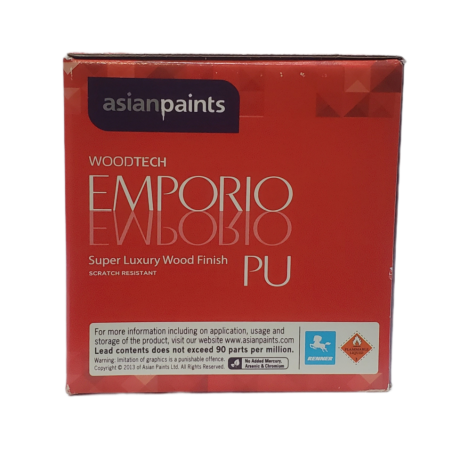
PU Exterior Sealer: A Guide to Protection for Outdoor Surfaces
Outdoor surfaces face constant exposure to sunlight, rain, humidity, dust and changes in temperature. A suitable PU exterior sealer can help protect compatible surfaces from moisture and everyday wear while improving their appearance. PU is short for polyurethane, a family of materials used in protective coatings and sealants.
The term “PU exterior sealer” can refer to a clear or coloured polyurethane coating, or to a polyurethane sealant for filling joints and gaps. These products serve different purposes, so it is important to choose the right one for the surface and application.
What Is a PU Exterior Sealer?
A polyurethane coating forms a protective film over a surface such as wood, concrete or certain masonry. Depending on the product, the finish may be clear or pigmented, and matt, satin or gloss. Formulations vary: some are water-based, while others are solvent-based. Their suitability for outdoor use depends on the manufacturer’s specifications.
A polyurethane sealant, by contrast, is usually a flexible material applied into joints, cracks or gaps. It helps accommodate movement and limit water entry. A coating and a joint sealant are not interchangeable: a rigid film coating is generally not intended to fill moving joints.
Where Can It Be Used?
Exterior-grade PU coatings may be suitable for certain outdoor surfaces, including:
- Exterior timber doors, windows, cladding and furniture
- Concrete or masonry, where the product is specifically approved for that substrate
- Previously coated surfaces, if the new coating is compatible
- Other surfaces listed in the product’s technical data sheet
Always confirm that the chosen product is intended for exterior exposure and for the specific material being coated. Some products are designed only for indoor use or for particular substrates.
Potential Benefits
- Moisture resistance: A suitable coating can help reduce water absorption and protect against weathering.
- Surface protection: It can help resist scuffs, abrasion and routine outdoor wear.
- Appearance: Clear finishes can highlight the natural look of timber, while pigmented options provide colour.
- Flexible options: Different formulations and finishes are available for different applications.
Performance depends on the product, surface preparation, application conditions and ongoing maintenance. A sealer cannot correct underlying problems such as leaks, rot, unstable concrete or poor drainage.
Choosing a Product for Indian Weather
In India, exterior coatings may be exposed to intense sunlight, monsoon rain, humidity and temperature variation. Check the product label and technical data sheet for exterior suitability, UV resistance, substrate compatibility and recommended maintenance.
For clear coatings exposed to direct sunlight, ask whether the formulation is designed to resist UV-related yellowing or degradation. Some polyurethane chemistries can change colour with prolonged UV exposure; the product’s specified performance should guide the choice. For joints, choose an exterior-rated sealant with the movement capability and weather resistance required for the joint.
How to Apply a PU Exterior Coating
- Inspect the surface: Repair defects and address dampness, leaks, mould or loose material before coating.
- Clean and prepare: Remove dust, grease, old loose coatings and other contaminants. Sand or prime only as directed by the manufacturer.
- Test compatibility: Apply the product to a small, inconspicuous area, especially over an existing finish.
- Check the weather: Avoid application during rain, on wet surfaces or outside the temperature and humidity range stated on the product.
- Apply as directed: Use the recommended tools, number of coats and recoat intervals. Do not thin the product unless the instructions allow it.
- Allow proper curing: Protect the surface from rain, dust and use until the stated curing time has passed.
For polyurethane joint sealants, follow the instructions for joint dimensions, backing material, surface preparation and tooling. These details are important for adhesion and movement performance.
Safety and Maintenance
Read the safety instructions before use. Provide suitable ventilation and use the protective equipment recommended by the manufacturer. Keep products away from children, food and ignition sources where applicable. Dispose of leftover material and containers in line with local requirements.
Inspect coated surfaces periodically for cracking, peeling, wear or water ingress. Clean them using methods approved for the coating, and recoat when recommended. Timely maintenance can help preserve the finish and protect the underlying surface.
Frequently Asked Questions
Can PU sealer be used outdoors?
Some polyurethane products are formulated for exterior use, while others are not. Check the product’s stated application, UV performance and substrate compatibility before use.
Is a PU coating the same as a PU sealant?
No. A coating forms a protective layer over a surface. A sealant fills joints or gaps and is generally designed to remain flexible. Choose according to the job.
Can a PU exterior sealer be applied over an old coating?
It may be possible if the coatings are compatible and the existing layer is sound. Clean and prepare the surface as directed, and carry out a small test patch first.
Conclusion
A PU exterior sealer can be a useful part of an outdoor protection system when the product is matched to the surface and local exposure conditions. Confirm whether the job needs a coating or a flexible joint sealant, follow the manufacturer’s instructions, and prepare the surface carefully for dependable results.
8 Essential Tips for Applying PU Exterior Sealer
- Choose a PU sealer rated for exterior use and local weather conditions.
- Clean the joint and remove dust, oil, and loose material before application.
- Apply only to a dry surface, avoiding rain and very humid conditions.
- Use a compatible primer if the product instructions recommend one.
- Fit a backer rod in deep joints to control sealant depth.
- Apply a steady, continuous bead without gaps or air pockets.
- Tool the bead promptly for a smooth finish and good contact.
- Allow the sealer to cure fully before exposing it to rain or movement.
Choose a PU sealer rated for exterior use and local weather conditions.
Choose a PU sealer specifically rated for exterior use and suited to local weather conditions. In India, surfaces may face intense sunlight, heavy monsoon rain, humidity and temperature changes, so check the product label for UV resistance, water resistance and substrate compatibility. Following the manufacturer’s application and maintenance instructions will help the sealer perform as intended.
Clean the joint and remove dust, oil, and loose material before application.
Before applying a PU exterior sealer, clean the joint thoroughly to help the product bond properly. Remove dust, oil, loose material and any other contaminants, then make sure the surface is dry if the product instructions require it. A clean, well-prepared joint supports better adhesion and helps the sealer form a reliable weather-resistant seal.
Apply only to a dry surface, avoiding rain and very humid conditions.
Apply PU exterior sealer only to a clean, completely dry surface for reliable adhesion and an even finish. Avoid application during rain or when rain is expected before the product has cured. Very humid conditions can slow drying and affect the sealer’s performance, so check the manufacturer’s recommended temperature and humidity range before starting.
Use a compatible primer if the product instructions recommend one.
Use a compatible primer when the PU exterior sealer’s product instructions recommend one. The right primer can improve adhesion and help the sealer perform as intended, particularly on porous, previously coated or difficult-to-bond surfaces. Check that the primer is suitable for both the substrate and the sealer, and follow the specified application and drying times before applying the sealer.
Fit a backer rod in deep joints to control sealant depth.
For deep joints, fit a backer rod before applying PU exterior sealant. The rod helps control the sealant depth and creates the correct joint shape, allowing the sealant to flex with movement rather than sticking to the bottom of the joint. Choose a backer rod suited to the joint width, and follow the sealant manufacturer’s guidance on sizing and installation.
Apply a steady, continuous bead without gaps or air pockets.
When applying a PU exterior sealant, run a steady, continuous bead along the joint, keeping the nozzle at a consistent angle and pace. Avoid gaps and trapped air pockets, as these can weaken the seal and allow moisture to enter. If needed, smooth the bead gently with a suitable tool, following the product instructions, to ensure good contact with both sides of the joint.
Tool the bead promptly for a smooth finish and good contact.
Tool the PU exterior sealant bead promptly after application, before it begins to form a skin. Use a suitable tooling tool to smooth the bead and press it firmly against both sides of the joint, helping to create a neat finish and good surface contact. Follow the product instructions, and avoid excessive tooling that could pull sealant out of the joint.
Allow the sealer to cure fully before exposing it to rain or movement.
Allow the PU exterior sealer to cure fully before exposing the surface to rain, moisture or movement. Touch-dry does not necessarily mean fully cured; premature exposure can affect adhesion, finish and overall performance. Follow the product label for the recommended curing time, and allow extra time if conditions are cool or humid.