
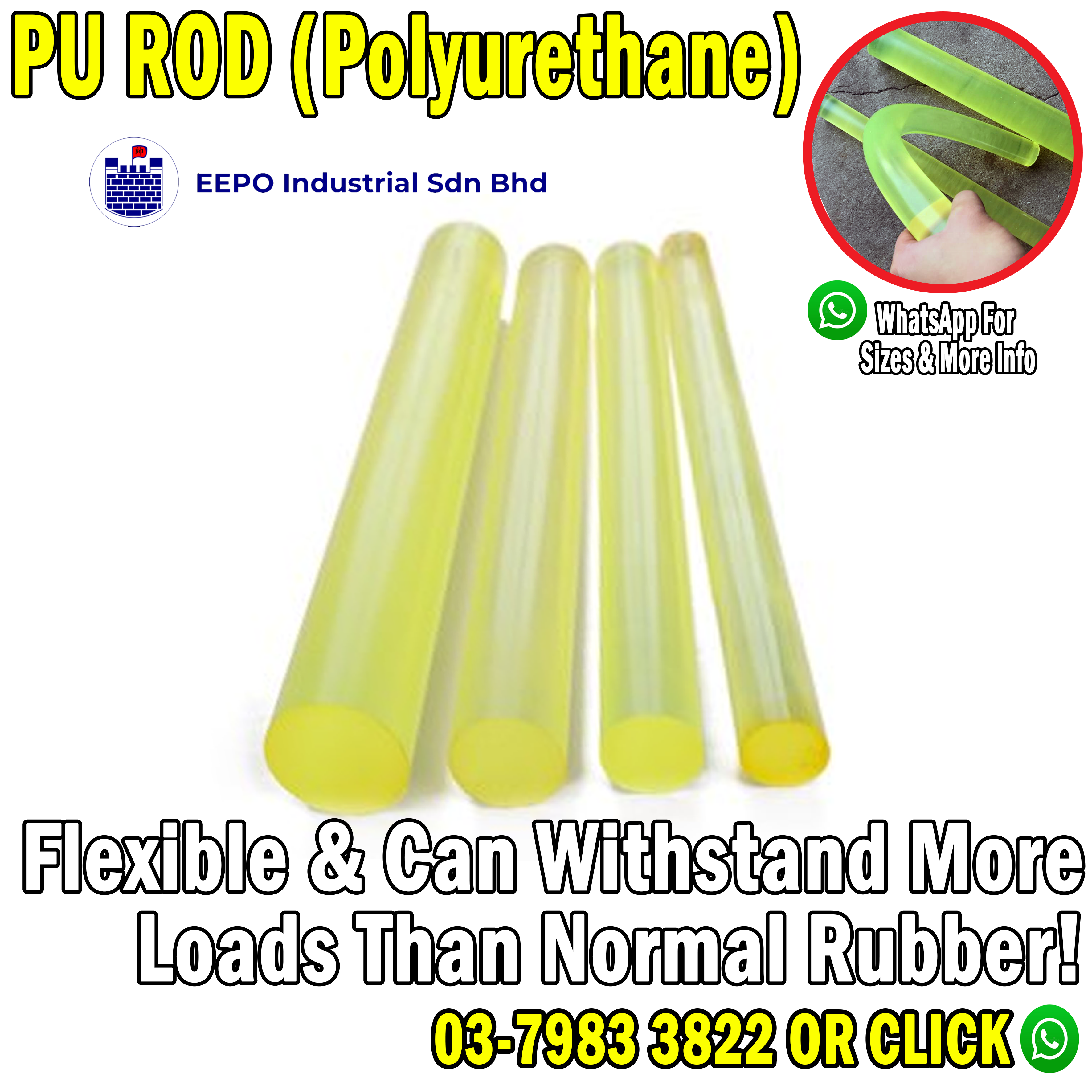
Polyurethane Elastomers: Properties, Applications and Selection
Polyurethane elastomers, commonly called PU elastomers, are flexible yet durable materials used in products that need to withstand repeated movement, impact or wear. They combine some of the resilience of rubber with the strength and abrasion resistance of engineering plastics. Their properties can be tailored to suit a wide range of applications, from soft, flexible components to tough parts designed to carry heavy loads.
What is a PU elastomer?
Polyurethane is a family of polymers made by reacting compounds containing hydroxyl groups, commonly polyols, with isocyanates. In elastomers, the resulting molecular structure allows the material to deform under load and recover much of its original shape when the load is removed.
PU elastomers are available in several forms. Cast polyurethane elastomers are made by pouring a reactive mixture into a mould, where it cures. Thermoplastic polyurethane (TPU), by contrast, can be softened by heat and processed using methods such as injection moulding or extrusion. The right type depends on the product design, production volume and required performance.
Key properties
One of the main advantages of PU elastomers is that their performance can be adjusted through material formulation and processing. Depending on the grade, they can offer:
- High resistance to abrasion and wear
- Good resilience and energy absorption
- Strong load-bearing capacity and tear resistance
- Useful resistance to oils, greases and many chemicals
- A wide range of hardness levels, from soft and flexible to firm and rigid
- Good performance in components exposed to repeated impact or vibration
These properties vary between formulations. For example, resistance to heat, water, ultraviolet light, chemicals and hydrolysis depends on the chemistry of the material and the conditions in which it is used. Product specifications should therefore be checked against the actual operating environment.
Common applications
PU elastomers are used across many industries where durability and flexibility are important. Common applications include:
- Wheels and rollers for material-handling equipment
- Seals, gaskets, bushes and flexible couplings
- Mining, quarrying and industrial wear parts
- Automotive components, including suspension and vibration-control parts
- Footwear soles and other flexible components
- Conveyor components, protective linings and scrapers
- Sports, leisure and consumer products
In these applications, the material may help reduce noise, absorb impact, protect equipment from wear or improve the service life of a component.
Choosing the right grade
Selecting a PU elastomer involves more than choosing a hardness. Designers and buyers should consider the expected loads, speed of movement, temperature range, exposure to water or chemicals, and the desired service life. The part’s shape, thickness and method of manufacture also influence performance.
For example, a wheel used on a smooth factory floor may need a different balance of hardness, rolling resistance and wear performance from a roller used in a dusty or abrasive environment. Working with a materials supplier or experienced processor can help identify a suitable grade and validate it through testing.
Manufacturing and handling considerations
Consistent performance depends on good process control, including accurate measurement and mixing of ingredients, suitable mould conditions and adequate curing. Moisture and contamination can affect some polyurethane systems, so materials should be stored and handled according to the supplier’s instructions.
Isocyanates used in polyurethane production require appropriate industrial controls. Manufacturers should follow the relevant safety data sheets, use suitable ventilation and personal protective equipment, and comply with applicable workplace safety requirements.
Sustainability and end-of-life
PU elastomers can contribute to longer-lasting products by resisting wear and reducing the frequency of replacement. However, end-of-life management depends on the material type and product design. Thermoplastic polyurethane can often be reprocessed under suitable conditions, while cross-linked cast elastomers are more difficult to remelt. Recycling options continue to develop, and decisions should take account of the specific formulation and available local facilities.
Conclusion
PU elastomers are versatile materials that combine elasticity with strength and wear resistance. Their ability to be tailored makes them useful in applications ranging from industrial wheels and seals to automotive and consumer products. Careful grade selection, sound manufacturing practices and attention to operating conditions are essential to achieving reliable performance.
PU Elastomer FAQs: Properties, Applications, Comparisons and Selection Guide
- What is a PU elastomer?
- What are the key properties of PU elastomers?
- What are the common applications of PU elastomers?
- How do PU elastomers differ from rubber and thermoplastic polyurethane (TPU)?
- How do you choose the right PU elastomer for an application?
What is a PU elastomer?
A PU elastomer, or polyurethane elastomer, is a flexible, rubber-like material made from polyurethane. It can bend or compress under pressure and recover much of its original shape, while offering good resistance to wear, impact and tearing. Its hardness and other properties can be tailored for different uses, including wheels, rollers, seals, bushes and protective components.
What are the key properties of PU elastomers?
PU elastomers are valued for their combination of flexibility, strength and durability. Key properties can include excellent resistance to abrasion and wear, good resilience and energy absorption, high load-bearing capacity, and resistance to tearing. Depending on the formulation, they are available in a wide range of hardness levels and may also withstand exposure to oils, greases and certain chemicals. Their performance varies by grade, so factors such as temperature, moisture, chemical exposure and the application’s operating conditions should be considered when selecting a material.
What are the common applications of PU elastomers?
PU elastomers are used in a wide range of applications that require flexibility, durability and resistance to wear. Common examples include wheels and rollers for material-handling equipment, seals and gaskets, bushes, conveyor parts, protective linings and mining wear components. They are also used in automotive parts, footwear soles and consumer products, where their ability to absorb impact and withstand repeated use can help extend product life.
How do PU elastomers differ from rubber and thermoplastic polyurethane (TPU)?
PU elastomers combine flexibility and resilience with strong abrasion, tear and load-bearing performance, making them suitable for demanding components such as wheels, rollers and seals. Compared with conventional rubber, they often offer better wear resistance and mechanical strength, although the best choice depends on the specific formulation and operating conditions. TPU is a type of polyurethane elastomer that can be softened by heat and reshaped, allowing it to be processed using methods such as injection moulding and extrusion. Many other PU elastomers are cast and cured into a cross-linked structure, so they cannot simply be remelted and reshaped. In short, “PU elastomer” is a broad material category, while TPU is one processable type within it; properties vary by grade.
How do you choose the right PU elastomer for an application?
Choosing the right PU elastomer starts with understanding the conditions the component will face. Consider the loads, impact, movement speed, operating temperature and exposure to water, oils, chemicals, sunlight or abrasive materials. Then assess the required hardness, flexibility, tear strength, abrasion resistance and service life, along with the part’s design and manufacturing method. Since PU elastomer properties vary by formulation, consult a qualified supplier or processor to compare suitable grades and, where possible, test samples under representative operating conditions before making a final selection.