
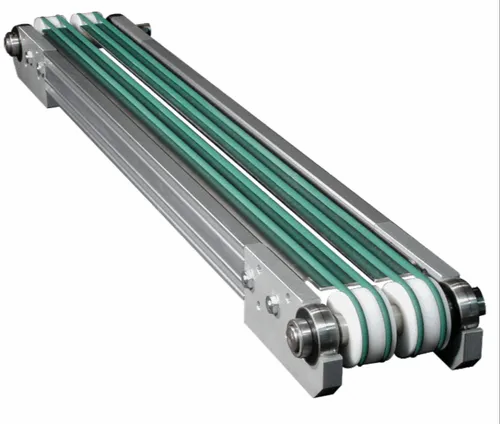
PU Conveyor Belts: Features, Applications and Selection Guide
Polyurethane (PU) conveyor belts are used to move products and materials through manufacturing, processing and packaging operations. They are valued for their smooth surface, flexibility and resistance to wear. Available in different constructions, thicknesses and surface finishes, PU belts can be selected for a wide range of industrial requirements.
What Is a PU Conveyor Belt?
A PU conveyor belt is made with a polyurethane cover layer, often supported by a fabric reinforcement such as polyester. The cover provides the belt’s working surface, while the reinforcement helps maintain its strength and shape during operation. The belt’s precise construction varies by application and manufacturer.
PU is sometimes compared with PVC, another common belt-cover material. The right option depends on factors such as the products being conveyed, operating conditions, cleaning requirements and applicable industry standards.
Key Features and Benefits
- Wear resistance: PU belts are designed to withstand regular contact with conveyed products, although performance depends on the belt grade and operating conditions.
- Flexibility: Their construction can suit conveyor systems with small rollers or compact transfer points, subject to the belt’s specifications.
- Smooth conveying surface: A smooth surface can help move packaged goods and other products steadily.
- Resistance to oils and grease: Many PU belt grades offer resistance to certain oils and fats. Always check compatibility with the specific substance and concentration.
- Cleanability: Some PU belts are designed for applications where frequent cleaning is required. Cleaning methods should follow the belt maker’s guidance.
- Range of options: Belts are available in different colours, surface patterns, thicknesses and grades to suit specific conveyor designs.
Common Applications
PU conveyor belts are used in a variety of industries, including:
- Food processing and packaging
- Bakery and confectionery production
- Pharmaceutical and healthcare product handling
- Electronics and component assembly
- Textile and garment manufacturing
- Printing, labelling and packaging lines
- Airport baggage handling and parcel sorting
For applications involving food, medicines or other regulated products, the belt must meet the relevant requirements for the intended use. Ask the supplier for supporting documentation and confirm that the belt is compatible with the product, cleaning process and operating environment.
How to Choose the Right PU Conveyor Belt
Choosing a belt involves more than selecting a material. Consider the full operating setup before placing an order:
- Product and load: Identify the weight, shape and surface of the items being conveyed, as well as the expected throughput.
- Operating environment: Consider temperature, moisture, dust, oils, chemicals and exposure to cleaning agents.
- Conveyor design: Check belt width, length, roller diameter, belt speed, incline and tracking arrangement.
- Surface requirements: Decide whether a smooth, textured or cleated surface is needed for grip or product positioning.
- Food or hygiene requirements: Confirm the exact compliance and cleaning requirements for the application rather than relying on a general “food-grade” description.
- Jointing and installation: Check the available joining method and whether the belt can be installed on the existing conveyor.
Providing these details to a belt supplier can help narrow down suitable constructions and reduce the risk of premature wear or operating problems.
Installation and Maintenance
Correct installation helps a PU conveyor belt run reliably. The conveyor should be clean and properly aligned, with suitable tension and tracking. Excessive tension can place unnecessary stress on the belt and its joints, while poor alignment may cause the belt to drift or rub against the frame.
Routine checks should look for cuts, surface wear, damaged joints, contamination and unusual tracking. Keep rollers and pulleys clean, and use cleaning products and methods approved for the belt. If the belt shows persistent slipping, wandering or damage, stop and inspect the conveyor system before continuing operation.
Conclusion
PU conveyor belts offer a versatile option for many conveying and processing applications. Their performance depends on choosing the right belt construction for the product, machinery and working environment. By confirming the technical requirements with a qualified supplier and following proper installation and maintenance practices, businesses can support efficient conveyor operation and extend belt service life.
PU Conveyor Belts: 8 FAQs on Benefits, Applications, Selection and Maintenance
- What is a PU conveyor belt?
- What are the main benefits of using a PU conveyor belt?
- Where are PU conveyor belts commonly used?
- Are PU conveyor belts suitable for food processing?
- How do PU conveyor belts compare with PVC conveyor belts?
- How do I choose the right PU conveyor belt for my application?
- How should a PU conveyor belt be cleaned and maintained?
- What causes a PU conveyor belt to slip or move off track?
What is a PU conveyor belt?
A PU (polyurethane) conveyor belt is a belt made with a polyurethane working surface, often supported by a fabric reinforcement for strength and stability. It is used to transport products in industries such as food processing, packaging, pharmaceuticals and manufacturing. PU belts are available in different grades and designs, so the right type depends on the product being conveyed, the operating conditions and any hygiene or compliance requirements.
What are the main benefits of using a PU conveyor belt?
PU conveyor belts are valued for their wear resistance, flexibility and smooth conveying surface, making them suitable for a range of manufacturing, packaging and processing applications. Many grades also resist certain oils and fats and are easy to clean when maintained according to the manufacturer’s instructions. Available in different thicknesses, finishes and constructions, they can be selected to suit specific products and conveyor systems. Always check the belt’s specifications for compatibility with the operating conditions and any hygiene or regulatory requirements.
Where are PU conveyor belts commonly used?
PU conveyor belts are commonly used in food processing and packaging, bakeries, pharmaceutical production, electronics assembly, textiles, printing and parcel-handling operations. Their smooth, flexible surface makes them suitable for moving products through manufacturing and packing lines. The right belt should be selected according to the product, operating conditions, cleaning requirements and any relevant industry standards.
Are PU conveyor belts suitable for food processing?
Yes, PU conveyor belts can be suitable for food processing, provided the specific belt is designed and certified for the intended food-contact application. Check that it meets the relevant food-safety requirements and is compatible with the products, operating temperatures and cleaning agents used in your facility. Confirm the supplier’s documentation before installation, as not every PU belt is suitable for food contact.
How do PU conveyor belts compare with PVC conveyor belts?
PU and PVC conveyor belts are both widely used, but the better choice depends on the application. PU belts are often selected for their abrasion resistance, flexibility and resistance to oils and fats, making them suitable for many food-processing and precision-handling applications. PVC belts are available in a broad range of constructions and can be a practical, economical option for general material handling. Neither material is automatically right for every use: operating temperature, product type, cleaning chemicals, belt design and relevant hygiene or regulatory requirements should all be checked against the manufacturer’s specifications before choosing.
How do I choose the right PU conveyor belt for my application?
To choose the right PU conveyor belt, consider the products being conveyed, their weight and surface, the required belt width and speed, and the conveyor layout, including roller diameter and incline. Also assess operating conditions such as temperature, moisture, oils, chemicals and cleaning methods. Select a suitable surface finish and belt construction, and check any food-safety or other regulatory requirements relevant to your application. Share these details with a reputable supplier, who can recommend a belt that fits your equipment and operating needs.
How should a PU conveyor belt be cleaned and maintained?
A PU conveyor belt should be cleaned using methods and cleaning agents approved by its manufacturer, as harsh chemicals, unsuitable solvents or excessive heat may damage the belt. Remove product residue regularly with a soft brush or cloth, and rinse or sanitise the belt as required for the application, especially in food-processing environments. Before cleaning, follow the site’s safety procedures and isolate the conveyor where necessary. For maintenance, inspect the belt routinely for cuts, wear, damaged joints, contamination and tracking problems; also keep rollers and pulleys clean and check that the belt is correctly aligned and tensioned. Address any recurring issues promptly, and follow the supplier’s guidance to help extend the belt’s service life.
What causes a PU conveyor belt to slip or move off track?
A PU conveyor belt may slip or move off track because of incorrect tension, misaligned rollers or pulleys, uneven loading, worn components, or dirt and product build-up on the belt or conveyor. A belt that is too loose may slip, while excessive tension can strain the belt and its joints. Check that the conveyor is clean, rollers are aligned and turning freely, and products are loaded evenly; then adjust the tension and tracking according to the manufacturer’s instructions. If the problem continues, inspect the belt and conveyor for wear or damage before restarting.