
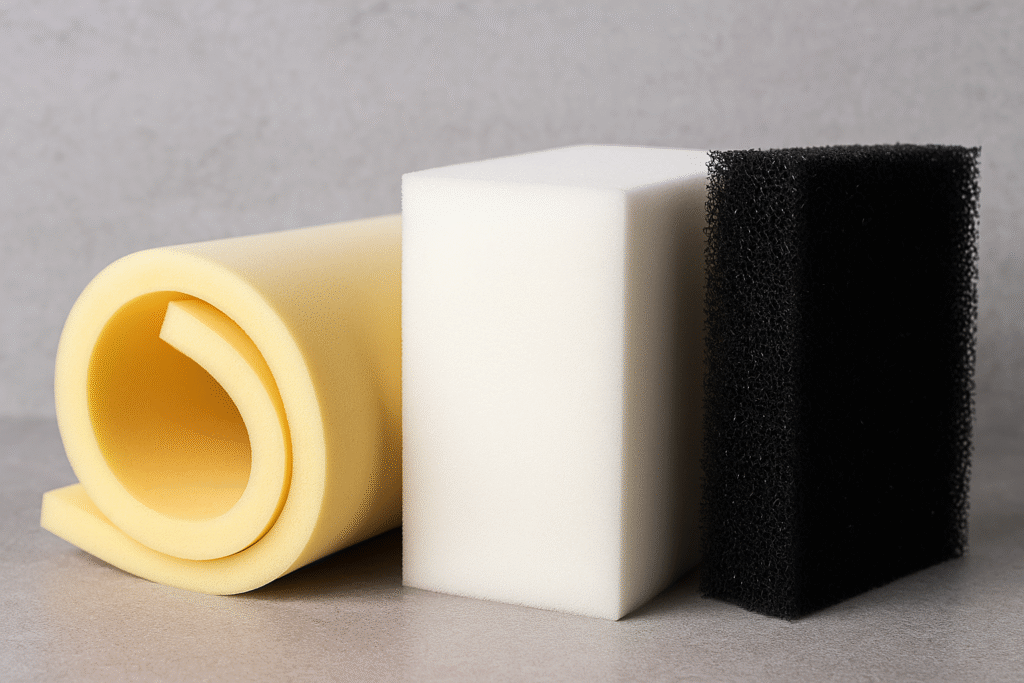
Polyurethane Sponge: Uses, Benefits and Care
A polyurethane sponge is a porous material made from polyurethane, a versatile polymer used in products ranging from furniture cushioning to cleaning supplies. Its lightweight structure and ability to absorb liquid or provide cushioning make it useful across household, commercial and industrial applications.
What Is a Polyurethane Sponge?
Polyurethane (PU) is formed by reacting specific chemical components to create a polymer. In sponge and foam products, the manufacturing process creates a network of small cells. These cells may be open, allowing air and liquid to pass through, or more closed, helping provide insulation and resistance to moisture.
Many familiar foam sponges are made from flexible, open-cell polyurethane. Their softness, density and firmness can be adjusted during manufacture to suit different purposes. Not every sponge is made from PU, however; cellulose and other materials are also widely used.
Common Uses
- Cleaning: Household and commercial cleaning sponges may use PU foam for wiping surfaces, washing utensils and absorbing spills. Some products combine the foam with an abrasive layer.
- Furniture and bedding: Flexible PU foam is used in cushions, mattresses and upholstery, where it provides support and comfort.
- Automotive interiors: Foam components can be found in seats, headrests, armrests and other interior parts.
- Packaging and protection: Foam can cushion delicate items during storage and transport.
- Industrial applications: Specialised PU foams may be used for filtration, sound absorption, insulation or protective padding.
Key Benefits
- Lightweight: Its cellular structure provides useful volume without adding much weight.
- Versatile: Manufacturers can produce foam in different shapes, densities and levels of firmness.
- Absorbent: Open-cell varieties can take up and hold liquid, making them suitable for many wiping and cleaning tasks.
- Comfortable and cushioning: Flexible foam can compress under pressure and help distribute weight.
- Easy to convert: PU foam can be cut, shaped or laminated for specific product designs.
Choosing a Polyurethane Sponge
Choose a sponge according to its intended use. For general cleaning, consider its size, absorbency and whether an abrasive surface is appropriate for the material being cleaned. A rough scouring layer may scratch delicate finishes, so check the product instructions and test it on an inconspicuous area first.
For cushioning or industrial use, factors such as density, firmness, cell structure, durability and relevant product standards are important. Ask the supplier for technical information when the foam will be used in a specialised setting.
Care and Hygiene
Rinse a cleaning sponge thoroughly after use, remove excess water and allow it to dry in a well-ventilated place. Replace it when it develops an unpleasant smell, visible damage or persistent discolouration. Sponges can retain moisture and debris, so regular cleaning does not remove the need for replacement. Follow the manufacturer’s care instructions, as not all PU sponges are suitable for boiling, microwaving or dishwasher cleaning.
Use separate sponges for different tasks, particularly for food-contact surfaces, bathrooms and general household cleaning. Always follow the instructions on cleaning products and avoid mixing chemicals.
Environmental Considerations
Polyurethane is a plastic-based material, and end-of-life options depend on the product, its composition and local waste facilities. Some foam products are difficult to recycle through ordinary household collection. To reduce waste, choose a durable product suited to the task, use it for as long as it remains hygienic and functional, and check local guidance for disposal or recycling.
Manufacturers and researchers are also exploring ways to improve the environmental performance of polyurethane, including the use of recycled or renewable feedstocks and better recovery methods. The availability and suitability of these options vary by product.
In Summary
Polyurethane sponges are valued for their light weight, absorbency, cushioning and adaptability. They are used in cleaning products as well as furniture, vehicles, packaging and industrial applications. Selecting the right type, caring for it properly and disposing of it responsibly can help make the most of this versatile material.
9 Benefits of Polyurethane Sponge for Household and Industrial Use
- Lightweight and easy to handle
- Absorbs spills effectively
- Soft and flexible
- Available in varied shapes and sizes
- Useful for cleaning many surfaces
- Provides cushioning and comfort
- Dries quickly when well ventilated
- Easy to cut and shape
- Suitable for household and industrial uses
5 Disadvantages of Polyurethane Sponges
- May be difficult to recycle through household waste systems.
- Can retain moisture and bacteria if not dried properly.
- May wear out or tear with frequent use.
- Some types can scratch delicate surfaces.
- Not suitable for all cleaning chemicals or high temperatures.
Lightweight and easy to handle
One of the key advantages of a polyurethane sponge is that it is lightweight and easy to handle. Its porous structure keeps the sponge light, making it comfortable to hold, lift and use for extended periods. This is especially useful for cleaning, where the sponge can be moved easily across surfaces and squeezed with minimal effort. Its light weight also makes polyurethane sponges convenient to store and transport.
Absorbs spills effectively
Polyurethane sponges absorb spills effectively, making them handy for quick clean-ups at home, in workplaces and in commercial settings. Their porous, open-cell structure can draw in and hold liquid, helping clear small spills with fewer wipes. Rinse and dry the sponge after use, and replace it regularly to maintain good hygiene.
Soft and flexible
One of the key advantages of a polyurethane sponge is that it is soft and flexible. It moulds easily around curved surfaces and fits into corners, making it useful for cleaning, cushioning and upholstery applications. Its flexibility also allows it to compress under pressure and regain its shape, providing comfortable support and making everyday use convenient.
Available in varied shapes and sizes
Polyurethane sponges are available in a wide range of shapes and sizes, making them suitable for different tasks and product designs. From compact pieces for precise cleaning to larger sheets for cushioning or upholstery, they can be cut and shaped to meet specific requirements. This versatility helps manufacturers and users choose a sponge that fits the intended application.
Useful for cleaning many surfaces
Polyurethane sponges are useful for cleaning many surfaces, including kitchen counters, tiles, sinks and household appliances. Their soft, flexible texture helps lift everyday dirt and spills, while their absorbent structure makes wiping quick and convenient. For delicate finishes, choose a non-abrasive sponge and test it on a small, hidden area first to avoid scratches.
Provides cushioning and comfort
Polyurethane sponge provides cushioning and comfort by gently compressing under pressure and helping distribute weight across a surface. Its softness and firmness can be tailored for different needs, making it suitable for products such as cushions, mattresses, upholstery and protective padding. This supportive, resilient feel can help make everyday seating and resting more comfortable.
Dries quickly when well ventilated
A polyurethane sponge dries quickly when placed in a well-ventilated area, as air can circulate through its porous structure and help moisture evaporate. This makes it convenient for frequent use and helps it feel ready sooner after rinsing. For best results, squeeze out excess water and leave the sponge in an airy spot to dry.
Easy to cut and shape
Polyurethane sponge is easy to cut and shape, making it suitable for a wide range of uses. It can be trimmed to fit specific spaces or formed into different sizes and designs using appropriate tools. This versatility makes it useful for custom cushioning, packaging, craft projects and cleaning applications.
Suitable for household and industrial uses
Polyurethane sponges are suitable for both household and industrial uses because they can be made in a range of densities, firmness levels and shapes. At home, they are commonly used for cleaning, washing and wiping surfaces. In industrial settings, specially designed PU sponges can support tasks such as filtration, cushioning, polishing and equipment cleaning. Choosing the right type for the job helps ensure effective performance and durability.
May be difficult to recycle through household waste systems.
Polyurethane sponges may be difficult to recycle through household waste systems because they are often made from materials that local recycling facilities are not equipped to process. Some sponges also contain coatings, abrasive layers or other materials that make recycling more complicated. Check your local waste guidance for suitable disposal options, and use the sponge for as long as it remains clean and functional to help reduce waste.
Can retain moisture and bacteria if not dried properly.
Polyurethane sponges can retain moisture within their porous structure, particularly when they are left damp in a poorly ventilated place. This can encourage the growth of bacteria and cause unpleasant odours. Rinse the sponge thoroughly after use, squeeze out excess water and leave it to dry in a well-ventilated area. Replace it regularly, especially if it develops a persistent smell or shows signs of wear.
May wear out or tear with frequent use.
With frequent use, a polyurethane sponge may gradually wear out, lose its shape or tear, particularly when exposed to repeated squeezing, scrubbing or rough surfaces. Damaged areas can make it less effective and may trap dirt, so replace the sponge when it starts to break down.
Some types can scratch delicate surfaces.
Some polyurethane sponges, particularly those with a coarse or abrasive layer, can scratch delicate surfaces such as non-stick cookware, polished metals and glossy finishes. Check the product label before use and, if unsure, test the sponge on a small, inconspicuous area first.
Not suitable for all cleaning chemicals or high temperatures.
Polyurethane sponges may be damaged by certain cleaning chemicals, which can cause them to soften, break down or lose their shape. They are also generally unsuitable for high-temperature cleaning, as heat may deform or weaken the foam. Always check the manufacturer’s care instructions and use cleaning products and temperatures recommended for the sponge.