
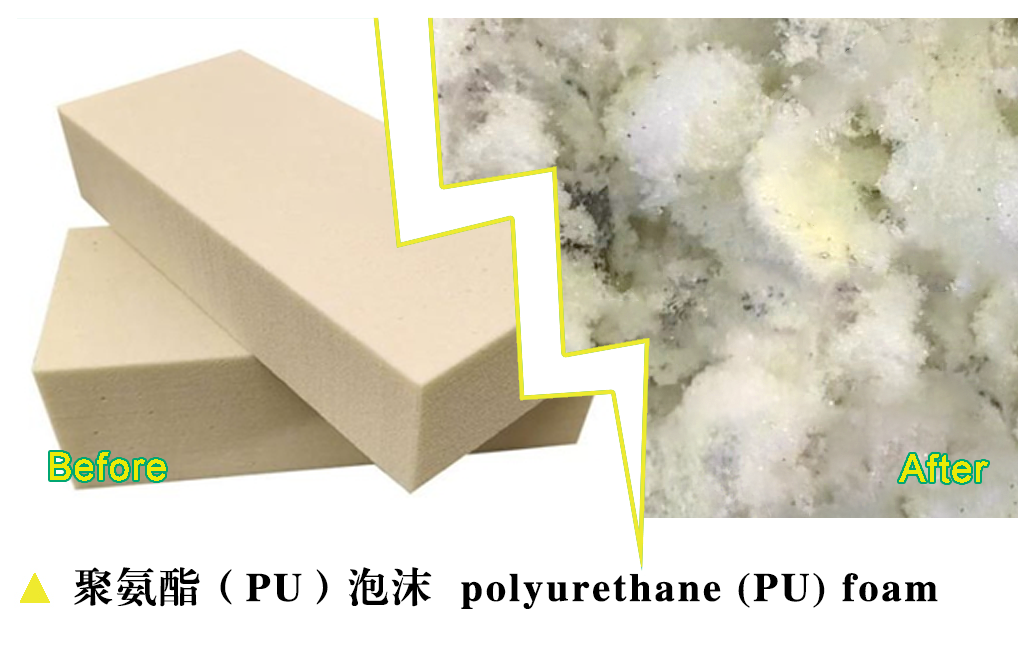
Polyurethane Soft Foam: Comfort, Performance and Versatility
Polyurethane soft foam is a flexible, lightweight material used in products that need cushioning, comfort or support. It can be made in a wide range of densities, firmness levels and shapes, making it suitable for everything from mattresses and furniture to vehicle seating and protective packaging.
What Is Polyurethane Soft Foam?
Polyurethane (PU) is a polymer formed through a chemical reaction between polyols and isocyanates. In soft foam production, the formulation also includes ingredients such as catalysts, surfactants and blowing agents. These help control the reaction, create the foam’s cellular structure and determine its final properties.
The result is a network of small cells that gives the material its characteristic combination of flexibility and cushioning. Depending on the formulation and production process, the cells may be mostly open, allowing air to move through the foam, or more enclosed.
How Is It Made?
Flexible polyurethane foam is commonly produced by mixing its chemical ingredients and allowing the mixture to rise and cure. Water in the formulation can react with isocyanate to generate carbon dioxide, which helps expand the material. The foam is then cured and, where required, cut, shaped or moulded into finished components.
Manufacturers adjust the formulation and processing conditions to achieve specific characteristics, including density, firmness, resilience, airflow and durability. Consistent quality control is important because even small changes can affect the performance of the finished foam.
Key Properties
- Cushioning and comfort: The foam compresses under pressure and helps distribute weight.
- Flexibility: It can bend and compress, then recover to varying degrees after the load is removed.
- Low weight: Its cellular structure provides cushioning without adding substantial weight.
- Design flexibility: Foam can be produced in different firmness levels, densities and shapes.
- Versatility: Formulations can be tailored for applications that require particular levels of support, resilience or airflow.
Performance depends on the type of foam and its intended use. For example, a mattress, a sofa cushion and a vehicle seat may require different combinations of support, durability and comfort.
Common Types
Several varieties of flexible PU foam are available. Conventional foam is widely used for general cushioning. High-resilience foam is designed to provide a more responsive feel and good support. Viscoelastic, or memory, foam responds to pressure and temperature, adapting more closely to the shape of the body. Moulded foam is produced in a shaped tool and is often used for components such as vehicle seats and cushions.
Where Is It Used?
Polyurethane soft foam is found in many everyday products and industrial applications, including:
- Mattresses, pillows and upholstered furniture
- Automotive, rail and other transport seating
- Office chairs and seating in public spaces
- Acoustic products and some protective packaging
- Medical and personal-care cushioning products
- Specialist applications requiring customised cushioning or support
Choosing the Right Foam
When selecting foam, it is useful to consider the intended application, expected service life and the demands placed on the product. Important factors may include density, firmness, resilience, compression performance, airflow and applicable fire-safety or other regulatory requirements. Density and firmness are not the same: density describes the mass of foam per unit volume, while firmness relates to how much force is needed to compress it.
Product specifications should be assessed alongside testing relevant to the end use. A qualified manufacturer or supplier can help identify a suitable grade and confirm that it meets the required performance criteria.
Responsible Production and Use
As with other materials, the environmental profile of polyurethane soft foam depends on how it is manufactured, used and managed at the end of its service life. Design choices that extend product life, efficient production, appropriate material recovery and responsible waste management can all contribute to better resource use. Recycling options vary by foam type and location, so local collection and processing arrangements should be checked.
Foam production involves reactive chemicals that require appropriate controls. These materials should be handled by trained personnel using suitable equipment and following the manufacturer’s safety information and applicable regulations.
A Material for Many Needs
Polyurethane soft foam combines cushioning, flexibility and design adaptability. By matching the formulation to the application and paying attention to quality, safety and end-of-life considerations, manufacturers can use this versatile material in products that support comfort and performance across a wide range of sectors.
7 Tips for Choosing, Handling and Disposing of Flexible Polyurethane Foam Safely
- Choose foam density and firmness to suit the intended use.
- Check that the foam meets relevant Indian safety standards.
- Keep foam away from flames, heaters and sparks.
- Use good ventilation when cutting or handling foam.
- Cut with a sharp tool on a stable surface.
- Keep foam dry and clean to help prevent mould.
- Dispose of foam through local waste or recycling services.
Choose foam density and firmness to suit the intended use.
Choose polyurethane soft foam density and firmness to suit its intended use. Density affects the foam’s weight and can indicate how much material is used, while firmness describes how much it resists compression. A mattress, sofa cushion or vehicle seat may each need a different balance of comfort, support and durability. Check the product specifications and consider the expected load and frequency of use to select a foam that performs well over time.
Check that the foam meets relevant Indian safety standards.
Before choosing polyurethane soft foam, check that it complies with the Indian safety standards and regulations relevant to its intended use. Ask the supplier for test reports, certificates or other supporting documents, and confirm that they apply to the specific foam grade and finished product. Requirements may differ for applications such as furniture, mattresses and vehicle seating, so verify the applicable standards with the supplier or a qualified testing agency.
Keep foam away from flames, heaters and sparks.
Keep polyurethane soft foam away from open flames, heaters and sparks, as it can ignite and burn if exposed to heat or an ignition source. Store and use foam in a cool, well-ventilated area, and follow the manufacturer’s safety instructions and applicable fire-safety requirements.
Use good ventilation when cutting or handling foam.
Use good ventilation when cutting or handling polyurethane soft foam. Cutting may release dust, while handling or processing can expose workers to vapours or other airborne substances, depending on the foam and the task. Work in a well-ventilated area, follow the product’s safety instructions and use suitable protective equipment where required.
Cut with a sharp tool on a stable surface.
Use a sharp cutting tool and work on a stable, level surface when trimming polyurethane soft foam. This helps create a cleaner, more even edge and reduces the risk of the foam slipping or tearing during cutting. Keep your hands clear of the blade, cut slowly, and follow the tool manufacturer’s safety instructions.
Keep foam dry and clean to help prevent mould.
Keep polyurethane soft foam dry and clean to help prevent mould and unpleasant odours. Wipe spills promptly, allow the foam to air-dry completely, and ensure good ventilation, especially in humid conditions. Avoid covering or storing damp foam, and follow the care instructions for the product.
Dispose of foam through local waste or recycling services.
Dispose of polyurethane soft foam through your local waste or recycling services. Check with your local authority or waste provider for accepted collection options, as recycling facilities and rules can vary by area. Do not place foam in household recycling unless it is specifically accepted.