
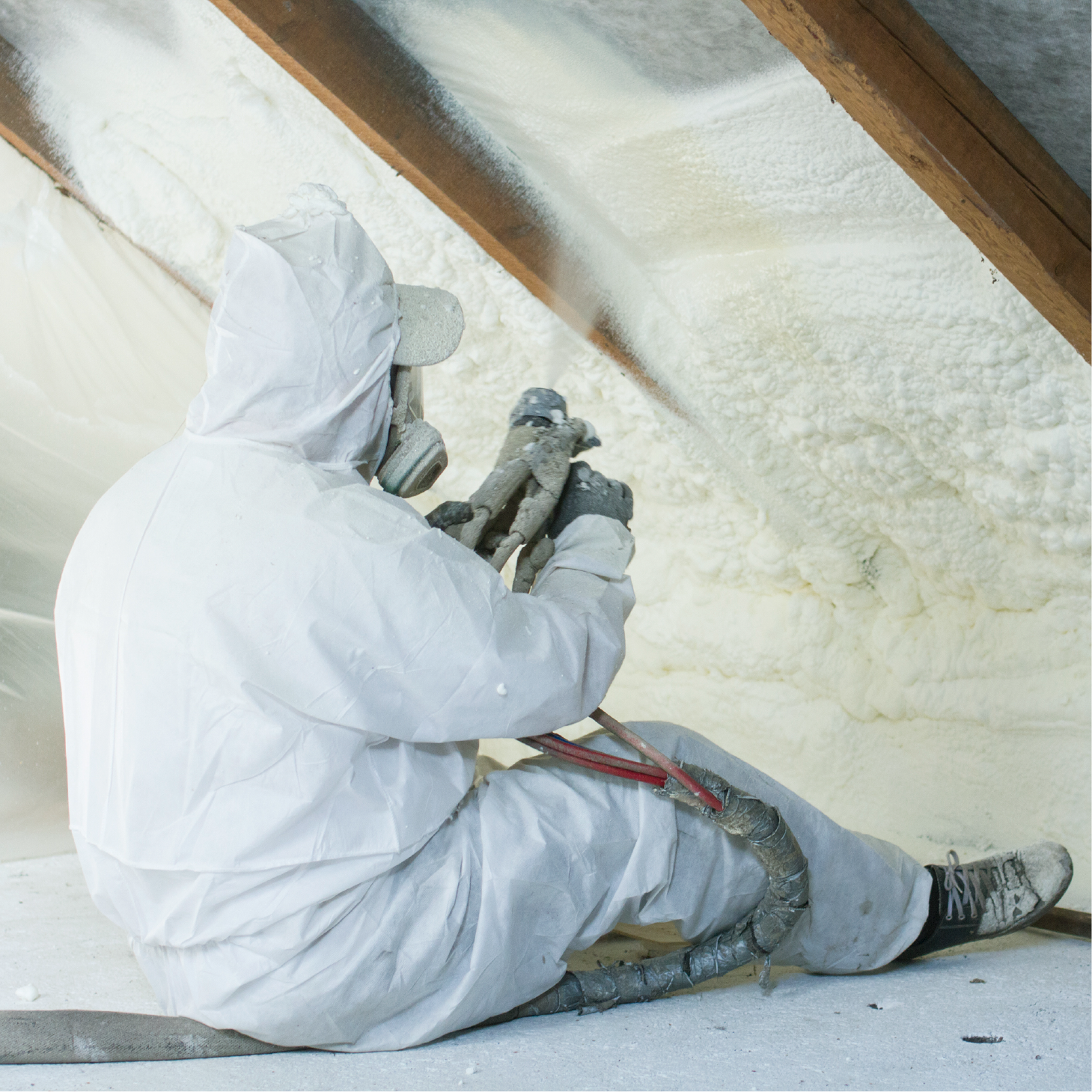
Polyurethane Raw Materials: An Overview
Polyurethane (PU) is a versatile polymer used in products ranging from flexible mattresses and footwear to insulation panels, automotive components, coatings and adhesives. Its properties can be adjusted to suit different applications by changing the raw materials and formulation.
What Is Polyurethane Made From?
Most polyurethane is produced through a chemical reaction between two main components: a polyol and an isocyanate. Other ingredients, known as additives, may be included to control how the material is processed and the properties of the finished product.
Polyols
Polyols are compounds containing multiple hydroxyl groups. They react with isocyanates to form the polyurethane structure. The type and molecular characteristics of a polyol influence properties such as flexibility, softness, strength and resistance to wear.
Common categories include:
- Polyether polyols: Widely used in flexible and rigid foams, elastomers and other PU products.
- Polyester polyols: Often selected where properties such as abrasion resistance, strength or resistance to certain chemicals are important.
- Bio-based polyols: Made partly or wholly from renewable sources, such as plant-derived oils. Their use can help reduce reliance on fossil-based feedstocks, depending on the formulation and supply chain.
Isocyanates
Isocyanates react with polyols to create the polyurethane polymer. Two commonly used types are toluene diisocyanate (TDI) and methylene diphenyl diisocyanate (MDI). In broad terms, different isocyanates are used for different products and manufacturing processes. The choice affects the material’s structure, performance and processing requirements.
Isocyanates require careful handling. They can pose health risks, particularly through inhalation or skin contact, so workplace controls, appropriate personal protective equipment and compliance with applicable safety requirements are essential.
Additives and Other Ingredients
Additives help manufacturers tailor polyurethane to a particular use. Depending on the product, a formulation may include:
- Catalysts to control the speed of the chemical reactions.
- Blowing agents to create the cellular structure of foams.
- Surfactants to support foam formation and stabilise cell structure.
- Flame retardants to improve fire performance where required.
- Pigments and colourants to achieve a desired appearance.
- Fillers and reinforcing materials to modify cost, density or mechanical properties.
- Stabilisers and other performance additives to support durability or processing.
The appropriate ingredients and quantities depend on the intended application, manufacturing equipment, performance specifications and relevant regulations.
How Formulation Shapes Performance
Polyurethane is not a single material with one fixed set of properties. By selecting different raw materials and adjusting their proportions, manufacturers can produce soft flexible foams, rigid insulation foams, durable elastomers, protective coatings and strong adhesives. Formulation also affects characteristics such as density, resilience, thermal insulation, adhesion and resistance to wear.
For this reason, choosing raw materials involves more than comparing individual ingredients. They must work together as a system and be suitable for the production process and end-use conditions.
Quality, Storage and Safe Handling
Consistent raw-material quality is important for reliable production. Manufacturers typically consider factors such as specifications, batch consistency, storage conditions and compatibility between components. Moisture control can be particularly important for many polyurethane processes, as water can react with isocyanates and affect processing and foam formation.
Raw materials should be handled and stored according to supplier guidance and applicable safety data sheets. Risk assessments, suitable ventilation, protective equipment, employee training and spill-response procedures help support safe operations. Local regulations and site-specific requirements should always be followed.
Developments in Polyurethane Raw Materials
The industry continues to explore ways to improve resource efficiency and reduce environmental impact. Areas of development include bio-based feedstocks, recycled content, lower-impact processing and improved approaches to recovering or reusing polyurethane products. Progress depends on the application, technical performance requirements and the availability of suitable collection and recycling systems.
Conclusion
Polyurethane raw materials form the basis of a broad range of products used in everyday life and industry. Polyols and isocyanates create the polymer, while additives help tailor its properties for specific purposes. Understanding how these ingredients interact—and managing them responsibly—supports product quality, workplace safety and continued innovation across the polyurethane sector.
7 Essential Tips for Selecting, Storing and Handling Polyurethane Raw Materials
- Choose polyol and isocyanate grades suited to the application.
- Check the supplier’s technical data sheet before use.
- Keep moisture away from isocyanates to prevent unwanted reactions.
- Measure components accurately to maintain the recommended mix ratio.
- Store materials in sealed containers under stated conditions.
- Use suitable gloves, eye protection and ventilation when handling.
- Test a small batch to check curing and final properties.
Choose polyol and isocyanate grades suited to the application.
Choose polyol and isocyanate grades that suit the product’s intended application and manufacturing process. Their chemistry and properties influence characteristics such as flexibility, strength, durability, insulation and processing time. Check supplier specifications, compatibility and relevant performance requirements before selecting a formulation, and follow safety data sheets and handling guidance when working with these materials.
Check the supplier’s technical data sheet before use.
Before using any polyurethane raw material, check the supplier’s technical data sheet (TDS) to understand its specifications, recommended processing conditions, storage requirements and compatibility with other components. Following the TDS can help ensure consistent product quality and reduce the risk of processing issues. Also review the safety data sheet (SDS) for information on safe handling, required protective equipment and emergency measures.
Keep moisture away from isocyanates to prevent unwanted reactions.
Keep moisture away from isocyanates during storage and handling, as contact with water can trigger unwanted reactions, potentially affecting product quality and processing. Store containers tightly sealed in a dry place, follow the supplier’s handling instructions and use appropriate protective equipment.
Measure components accurately to maintain the recommended mix ratio.
Measure polyurethane components accurately to maintain the recommended mix ratio. Even small deviations can affect curing, strength, flexibility and the quality of the finished product. Use calibrated measuring equipment, follow the supplier’s instructions, and mix the components thoroughly for consistent results.
Store materials in sealed containers under stated conditions.
Store polyurethane raw materials in sealed containers and follow the storage conditions specified by the supplier. Proper sealing helps protect materials from moisture, air and contamination, which can affect their quality and performance. Check product labels and safety data sheets for guidance on temperature, ventilation and handling, and keep containers securely closed when not in use.
Use suitable gloves, eye protection and ventilation when handling.
When handling polyurethane raw materials, use suitable chemical-resistant gloves and eye protection, and ensure the work area is well ventilated. Follow the supplier’s safety data sheet for the correct protective equipment and handling procedures, as requirements can vary between materials.
Test a small batch to check curing and final properties.
Before beginning full-scale production, test a small batch of the polyurethane formulation to confirm that it cures as expected and meets the required final properties. Check factors such as curing time, surface finish, flexibility, hardness and strength, as relevant to the application. This trial can help identify formulation or processing issues early, reduce material waste and support more consistent production. Always follow supplier guidance and appropriate safety procedures when handling raw materials.