
Polyurethane Foam Chemicals: Composition, Uses and Safety
Polyurethane foam is a versatile material used in products ranging from mattresses and furniture to building insulation, refrigerators, vehicles and packaging. It is not made from a single “polyurethane foam chemical”. Instead, it is produced by reacting a blend of chemicals, with the formulation adjusted to create foam with particular properties, such as softness, resilience, strength or thermal insulation.
What chemicals are used to make polyurethane foam?
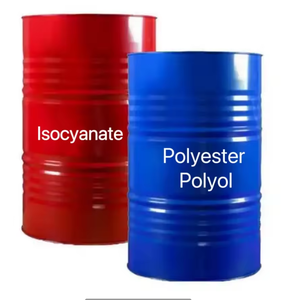
The main ingredients are polyols and isocyanates. These react to form polyurethane polymers. Other ingredients are added to control the reaction, create the foam structure and provide properties suited to the intended application.
- Polyols: A family of compounds that provide the flexible or rigid polymer backbone. The type and characteristics of the polyol influence properties such as firmness, flexibility and durability.
- Isocyanates: Reactive chemicals that combine with polyols to form polyurethane. Common industrial types include TDI (toluene diisocyanate) and MDI (methylene diphenyl diisocyanate). The type used depends on the foam formulation and application.
- Catalysts: These regulate the speed and balance of the chemical reactions involved in foam formation and curing.
- Surfactants: Often silicone-based, these help stabilise the foam cells and support a consistent structure.
- Blowing agents: These create the gas needed to expand the material into foam. Water can react with isocyanate to produce carbon dioxide, while certain formulations use physical blowing agents.
- Other additives: Depending on the product, formulations may include colourants, flame retardants, fillers, stabilisers and other performance additives.
How does polyurethane foam form?
In a controlled manufacturing process, the ingredients are measured and mixed according to a specific formulation. The reaction between the polyol and isocyanate forms the polymer, while gas generated by the blowing system expands the mixture. The material rises, develops a cellular structure and then cures into foam.
The process generates heat, and the reaction rate can be affected by the formulation, temperature, mixing and equipment. For this reason, polyurethane foam production requires suitable industrial controls and trained operators. Formulations and processing conditions must be designed for the intended product rather than adjusted without technical guidance.
Types of polyurethane foam
Polyurethane foam is commonly grouped into two broad categories:
- Flexible foam: Soft and resilient, it is used in mattresses, cushions, upholstered furniture, vehicle seating and some packaging products.
- Rigid foam: More structured and often valued for its insulation performance, it is used in building panels, roofing systems, cold-storage facilities and appliances such as refrigerators.
There are also specialised foams, including semi-rigid products and spray polyurethane foam systems. Their composition and performance vary according to the intended use.
Where is polyurethane foam used?
Polyurethane foam is popular because it can be engineered for different levels of comfort, support, weight, durability and insulation. Common applications include:
- Mattresses, pillows and furniture cushioning
- Automotive seating, headrests and interior components
- Thermal insulation in buildings and appliances
- Protective packaging and specialised industrial products
- Acoustic and vibration-control applications
Handling and workplace safety
Some polyurethane foam ingredients, particularly uncured isocyanates, can present health risks if inhaled or if they come into contact with the skin or eyes. Exposure may irritate the respiratory system and skin, and can lead to sensitisation in some people. The level of risk depends on the chemical, the form in which it is used and the conditions of exposure.
Workplaces should follow the product safety data sheet (SDS), applicable regulations and the manufacturer’s instructions. Risk controls may include suitable ventilation, restricted access, appropriate protective equipment, safe storage and training for workers. Spray applications and other processes that can generate airborne droplets require particularly careful assessment and control.
Uncured foam chemicals should not be handled casually or used for home experimentation. Once fully cured, polyurethane foam has different handling characteristics, but cutting, heating or burning it can still create dust, fumes or other hazards. Disposal should follow local requirements and the product guidance.
Choosing a polyurethane foam formulation
The right formulation depends on the application, required performance, processing method and relevant safety and regulatory requirements. Buyers and manufacturers should consider factors such as foam density, firmness, durability, insulation needs, fire performance and the conditions in which the finished product will be used. Technical advice from a qualified supplier or foam specialist can help identify an appropriate product.
Conclusion
Polyurethane foam is created by combining several chemicals, led by polyols and isocyanates, with other ingredients that control foaming and performance. By varying the formulation and manufacturing process, producers can make foams for a wide range of applications. Understanding the ingredients, intended use and safety requirements is essential for selecting and handling polyurethane foam responsibly.
7 Essential Safety Tips for Handling Polyurethane Foam Chemicals
- Read the product label and Safety Data Sheet before use.
- Work in a well-ventilated area; avoid breathing vapours or spray.
- Wear suitable gloves, eye protection and protective clothing.
- Keep uncured foam off skin and out of eyes.
- Keep foam chemicals away from heat, sparks and open flames.
- Do not mix components unless the instructions require it.
- Store securely as directed and seek medical advice after exposure.
Read the product label and Safety Data Sheet before use.
Before using any polyurethane foam chemical, read the product label and Safety Data Sheet (SDS) carefully. They explain the product’s hazards, safe handling and storage requirements, first-aid measures, and the protective equipment needed. Follow the manufacturer’s instructions and ensure suitable ventilation; if anything is unclear, seek guidance from the supplier or a qualified safety professional.
Work in a well-ventilated area; avoid breathing vapours or spray.
Work with polyurethane foam chemicals only in a well-ventilated area to help reduce the build-up of vapours and airborne spray. Avoid breathing them in, and follow the product label and safety data sheet for the recommended protective equipment and handling precautions.
Wear suitable gloves, eye protection and protective clothing.
Wear suitable gloves, eye protection and protective clothing when handling polyurethane foam chemicals. These precautions help reduce the risk of skin and eye contact with uncured ingredients, which may cause irritation or sensitisation. Choose protective equipment according to the product’s safety data sheet (SDS) and follow the manufacturer’s handling instructions.
Keep uncured foam off skin and out of eyes.
Keep uncured polyurethane foam away from your skin and eyes, as its reactive chemicals may cause irritation or sensitisation. Wear suitable protective gloves and safety glasses when handling the product, and follow the instructions on its label and safety data sheet. If foam gets on your skin or in your eyes, follow the product’s first-aid guidance and seek medical advice if needed.
Keep foam chemicals away from heat, sparks and open flames.
Keep polyurethane foam chemicals away from heat, sparks and open flames, as some components may be flammable or react dangerously when exposed to ignition sources. Store them in a cool, well-ventilated place, follow the product’s safety data sheet, and keep containers securely closed when not in use. During handling, avoid smoking and use appropriate safety precautions to reduce the risk of fire.
Do not mix components unless the instructions require it.
Do not mix polyurethane foam chemical components unless the product instructions specifically require it. The components are carefully formulated to react in a particular way, and mixing them incorrectly or at the wrong stage can cause excessive heat, poor foam quality or safety hazards. Always follow the manufacturer’s instructions and safety data sheet, use the recommended protective equipment, and keep components separate until they are needed.
Store securely as directed and seek medical advice after exposure.
Store polyurethane foam chemicals securely in their original, clearly labelled containers, following the supplier’s instructions and safety data sheet. Keep them away from heat, moisture, incompatible materials, children and unauthorised persons, and ensure the storage area is well ventilated where required. If exposure occurs, follow the product’s first-aid guidance and seek medical advice promptly, taking the label or safety data sheet along if possible.