
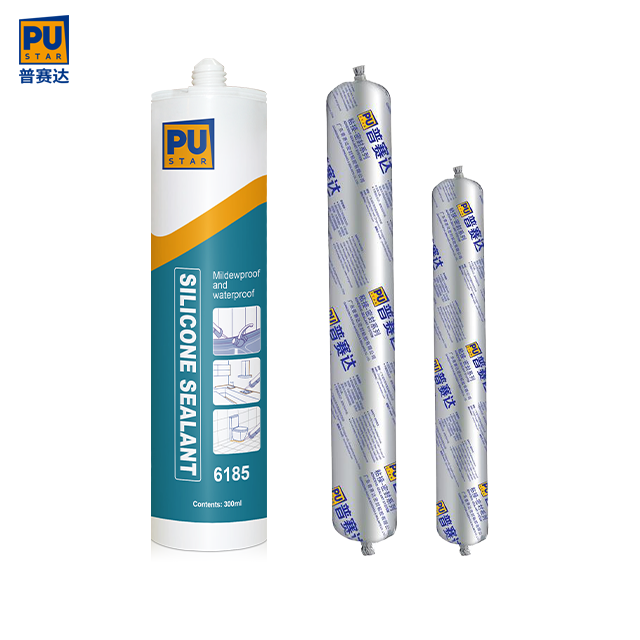
Polyurethane Adhesive Price in India: What Affects the Cost?
Polyurethane (PU) adhesives are used across India in industries such as construction, furniture, footwear, automotive, packaging and manufacturing. They are valued for their strong bonding performance, flexibility and ability to adhere to a range of materials. However, there is no single polyurethane adhesive price: the cost depends on the formulation, application, quantity and supplier.
Why prices vary
PU adhesives are available in several forms, including one-component and two-component products, moisture-curing adhesives, hot-melt adhesives and water-based formulations. Each is designed for particular materials and working conditions. A specialist adhesive for demanding industrial applications may cost more than a general-purpose product because it may require specific performance characteristics, testing or formulation.
Common factors that influence the quoted price include:
- Adhesive type: One-component and two-component products have different formulations and handling requirements. Hot-melt and water-based options also differ in production and application needs.
- Performance requirements: Resistance to heat, moisture, chemicals or vibration, as well as curing time and bond strength, can affect the product’s cost.
- Materials being bonded: An adhesive intended for substrates such as wood, metal, leather, foam, plastic or concrete may need a tailored formulation.
- Packaging and order size: Prices may vary between small consumer packs, industrial containers and bulk orders. Minimum order quantities can also apply.
- Brand and technical support: Established suppliers may offer product documentation, application guidance and quality assurance as part of their service.
- Taxes, freight and location: GST, delivery charges and the distance from the supplier or distributor can affect the final amount payable.
Compare the total cost, not just the price per kilogram
The lowest price per kilogram does not always represent the best value. A product that requires more adhesive per unit, creates more waste or takes longer to cure may increase the overall cost of production. When comparing quotations, consider coverage, application method, curing time, shelf life and the preparation required for each surface.
For industrial use, it is also helpful to ask about technical data sheets, safety data sheets, recommended storage conditions and product shelf life. If the adhesive is being considered for a new application, request a sample or conduct a small-scale trial before placing a large order.
How to request an accurate quotation
To receive a suitable quote, provide suppliers with as much application detail as possible. Include:
- the materials or substrates to be bonded;
- the intended application and expected service conditions;
- the preferred adhesive type, if known;
- the approximate quantity and packaging requirement; and
- any requirements for curing time, flexibility, colour or resistance.
Ask suppliers to clarify whether the quoted price includes GST, freight, packaging and any applicable minimum order quantity. Comparing quotations on the same basis makes it easier to assess the true cost.
Choosing the right PU adhesive
The right polyurethane adhesive depends on the job, not simply on its listed price. A suitable product should meet the required bond performance, work with the materials involved and fit the production process. Taking time to confirm these requirements can help avoid bonding failures, unnecessary material use and repeat work.
For the most accurate polyurethane adhesive price in India, request a current quotation from suppliers using the details of your specific application and order volume. Prices and availability can change, so confirm the final terms before purchasing.
Polyurethane Adhesive Price in India: 8 FAQs on Strength, Uses and Waterproofing
- Is polyurethane glue strong?
- What is polyurethane adhesive used for?
- Is polyurethane a good adhesive?
- What is the price of polyurethane per kilogram?
- What is the strongest polyurethane adhesive?
- What is polyurethane glue used for?
- What is the best adhesive for polyurethane?
- Is polyurethane glue water proof?
Is polyurethane glue strong?
Yes, polyurethane glue can form a very strong, durable bond and is often used for wood, construction and industrial applications. Its strength depends on the product, the materials being joined, surface preparation and curing conditions. For best results, choose an adhesive suited to the substrates and follow the manufacturer’s instructions; some materials may also need clamping while the glue cures.
What is polyurethane adhesive used for?
Polyurethane adhesive is used to bond materials such as wood, metal, plastic, rubber, leather, foam, concrete and composite panels. It is commonly used in construction, furniture making, footwear, automotive manufacturing and packaging because it can form strong, flexible bonds and, depending on the formulation, withstand moisture, heat or vibration. The right product depends on the materials and conditions involved, which can also affect its price.
Is polyurethane a good adhesive?
Yes, polyurethane is a good adhesive for many applications because it can form strong, durable bonds and often offers flexibility and resistance to moisture, impact and vibration. It is used to bond materials such as wood, metal, concrete, foam and some plastics. However, performance depends on the formulation and the surfaces being joined, so check the product’s specifications and follow the manufacturer’s instructions. For critical applications, test the adhesive on the intended materials before use.
What is the price of polyurethane per kilogram?
The price of polyurethane adhesive per kilogram in India varies by formulation, grade, performance requirements, packaging and order quantity, so there is no single standard rate. One-component, two-component, moisture-curing and hot-melt adhesives may each be priced differently. For an accurate current price, share your application, required quantity and delivery location with a supplier, and check whether the quotation includes GST and freight.
What is the strongest polyurethane adhesive?
There is no single “strongest” polyurethane adhesive for every application, as bond strength depends on the materials being joined, surface preparation and service conditions. For demanding structural applications, a two-component polyurethane adhesive may provide a strong, durable bond, while other formulations may be better suited to flexible materials or outdoor use. Check the product’s technical data sheet for strength and resistance ratings, and confirm compatibility with your substrates before choosing; the highest-priced option is not necessarily the strongest or most suitable.
What is polyurethane glue used for?
Polyurethane glue is used to bond materials such as wood, metal, concrete, leather, rubber, foam and some plastics, depending on the product formulation. It is commonly used in furniture and woodworking, construction, footwear, automotive and general manufacturing applications. Many PU adhesives create strong, flexible bonds with good resistance to moisture, but the right adhesive should be selected for the materials and conditions involved.
What is the best adhesive for polyurethane?
The best adhesive for polyurethane depends on the material being bonded and the conditions it will face. For polyurethane foam, a flexible, foam-compatible polyurethane adhesive or water-based contact adhesive is often suitable, while bonding polyurethane to metal, wood or plastic may require a product formulated for those specific surfaces. Check the manufacturer’s guidance for compatibility, curing time and application method, and test the adhesive on a small area before use.
Is polyurethane glue water proof?
Many polyurethane glues are water-resistant once fully cured, and some are rated for waterproof or exterior use. However, performance varies by formulation, so check the product label or technical data sheet for its water-resistance rating and suitability for continuous immersion or outdoor exposure. Follow the recommended application and curing instructions, as moisture resistance may depend on correct use.