
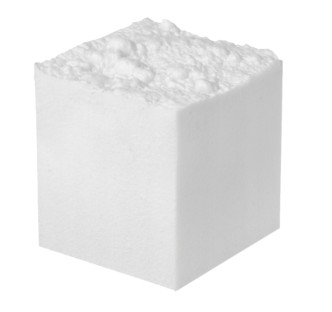
Open-Cell Urethane Foam: Properties, Uses and Benefits
Open-cell urethane foam is a type of polyurethane foam in which many of the cells are interconnected. This structure allows air to move through the material, making the foam soft, flexible and useful for applications that require cushioning, sound absorption or airflow. It is commonly found in furniture, mattresses, acoustic products and some building insulation systems.
What Is Open-Cell Urethane Foam?
Urethane is another name commonly used for polyurethane. Polyurethane foam is made by reacting chemical components to create a cellular material. In open-cell foam, the walls between many of the cells are incomplete or open, allowing air to pass through the foam.
Open-cell foam is available in different densities and degrees of firmness. Flexible versions are widely used for comfort and cushioning, while specialised products may be designed for acoustic or insulation applications. The performance of any foam depends on its formulation, density, thickness and intended use.
Key Characteristics
- Soft and flexible: Many open-cell foams compress readily and recover their shape, making them suitable for seating and bedding.
- Air-permeable: Its interconnected cell structure allows air to pass through, though the level of airflow varies by product.
- Sound absorption: The porous structure can help absorb sound, particularly when the foam is designed and installed for acoustic use.
- Lightweight: Open-cell foam is generally light compared with many solid materials and some closed-cell foams.
- Moisture behaviour varies: Because air can pass through it, open-cell foam may also allow moisture to enter. It should not be treated as a waterproofing material.
Common Applications
Furniture and Bedding
Flexible open-cell polyurethane foam is widely used in sofas, chairs, cushions and mattresses. It provides cushioning and can be manufactured in a range of firmness levels to suit different comfort requirements.
Acoustic Treatment
Open-cell foam is used in some acoustic panels and sound-absorption products. It can reduce reflections within a room, helping to manage echo and reverberation. It does not, by itself, provide complete soundproofing between rooms; that usually requires a broader construction solution involving mass, sealing and suitable wall or ceiling assemblies.
Insulation
Some open-cell spray polyurethane foams are used as building insulation. They can expand to fill gaps and may help reduce air leakage when correctly installed. Their thermal performance and suitability depend on the product, local climate, building design and installation quality. Moisture control and ventilation must also be considered as part of the overall building system.
Other Uses
Depending on its formulation, open-cell foam may also be used in packaging, filtration, protective padding and specialist industrial products.
Open-Cell and Closed-Cell Foam: The Difference
The main difference is the structure of the cells. Open-cell foam has interconnected cells that allow air to pass through. Closed-cell foam has largely sealed cells, which generally make it firmer and more resistant to air and moisture movement. Closed-cell products typically provide greater thermal resistance per unit thickness, while open-cell foam is often lighter and more flexible.
Neither type is automatically the best choice for every project. Selection should be based on the required comfort, acoustic performance, insulation value, moisture exposure, available space and applicable building requirements.
Benefits and Limitations
Open-cell urethane foam can offer comfortable cushioning, useful sound absorption and, in suitable building products, gap-filling insulation. Its low weight and flexibility make it adaptable to many applications.
However, its open structure can make it more vulnerable to moisture than closed-cell materials, and it is not suitable for every damp or exposed location. Foam can also vary considerably in quality and performance. Product specifications, including density, firmness, acoustic ratings or thermal values, should be checked rather than assumed from the term “open-cell” alone.
Choosing and Using Open-Cell Foam
Before selecting a product, consider where it will be used and what it needs to do. For furniture, comfort, firmness and durability are important. For acoustic treatment, look for products intended for sound absorption and follow the manufacturer’s installation guidance. For insulation, check the declared thermal performance, moisture-related requirements, fire performance and suitability for the building assembly.
Spray polyurethane foam should be installed by trained professionals in accordance with the product instructions and relevant local regulations. Installation and curing may involve chemical exposure, so required protective equipment, ventilation and re-entry guidance must be followed. Always consult the product documentation and a qualified professional when the application affects building safety or performance.
Conclusion
Open-cell urethane foam is a versatile material valued for its softness, flexibility and porous structure. It is commonly used in cushioning and acoustic products, and selected formulations are used for insulation. Understanding its performance limits—especially its behaviour around moisture—and choosing a product designed for the intended application are essential to achieving a suitable result.
Open-Cell Urethane Foam FAQs: Manufacturing, Uses, Insulation, Sound Absorption and Maintenance
- What is open-cell urethane foam, and how is it made?
- What are the common uses of open-cell urethane foam?
- What is the difference between open-cell and closed-cell polyurethane foam?
- Is open-cell urethane foam suitable for insulation and sound absorption?
- Does open-cell urethane foam absorb water, and how should it be maintained?
What is open-cell urethane foam, and how is it made?
Open-cell urethane foam is a type of flexible polyurethane foam with interconnected cells that allow air to pass through, giving it a soft, breathable and cushioning structure. It is made by mixing polyurethane-forming ingredients with additives that control the reaction and create gas bubbles; as the mixture expands and cures, the bubbles form the foam’s open cellular structure. Its density, firmness and airflow can be adjusted to suit uses such as furniture, mattresses and acoustic products.
What are the common uses of open-cell urethane foam?
Open-cell urethane foam is commonly used in sofas, chairs, cushions and mattresses for soft, flexible cushioning. Its porous structure also helps absorb sound, so it is used in acoustic panels and other sound-treatment products. Certain types are used as building insulation, where they can expand to fill gaps and help reduce air leakage. Other applications include packaging, protective padding and specialist industrial products. The right foam depends on the intended use, as properties such as firmness, airflow, moisture resistance and thermal performance vary between products.
What is the difference between open-cell and closed-cell polyurethane foam?
Open-cell polyurethane foam has interconnected cells that allow air to pass through, making it generally softer, lighter and more flexible. It is often used for cushioning, sound absorption and certain insulation applications. Closed-cell foam has mostly sealed cells, so it is typically firmer and more resistant to air and moisture movement, and usually provides higher thermal insulation per unit thickness. The right type depends on the application, moisture exposure, space available and the product’s specifications.
Is open-cell urethane foam suitable for insulation and sound absorption?
Yes, open-cell urethane foam can be suitable for both insulation and sound absorption, depending on the product and application. In buildings, some formulations help reduce heat transfer and fill gaps, while their porous structure can absorb sound and reduce echo within a room. However, open-cell foam is generally more permeable to air and moisture than closed-cell foam, so it may not suit damp areas or every insulation requirement. Check the product’s performance specifications and follow the manufacturer’s installation guidance.
Does open-cell urethane foam absorb water, and how should it be maintained?
Yes, open-cell urethane foam can absorb and retain water because its interconnected cells allow moisture to pass through; it is not waterproof. If it gets wet, blot or drain excess water and let it dry thoroughly in a well-ventilated area, following the manufacturer’s care instructions. For routine maintenance, vacuum the foam or its cover and spot-clean with a mild solution where permitted; avoid soaking it or using harsh chemicals. If the foam remains damp, develops an odour or shows signs of mould, seek professional advice or replace it.