
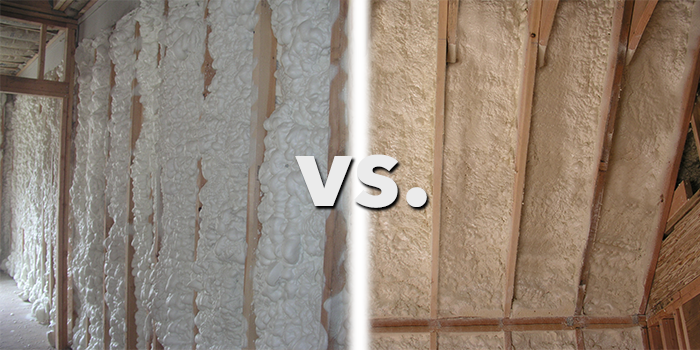
Open-Cell Polyurethane Foam: Properties, Uses and Considerations
Open-cell polyurethane foam is a lightweight foam in which many of the cells are interconnected. Air can move through these spaces, giving the material a soft, often flexible feel. It is used in products ranging from furniture cushioning to acoustic treatments and building insulation. Its performance depends on the foam’s formulation, density, thickness and the way it is installed.
How Open-Cell Foam Works
Polyurethane foam is made by reacting suitable chemical components to form a cellular material. In open-cell foam, the cell walls are partly open, creating a network of connected pores. This structure allows air to pass through the foam more readily than it can through closed-cell foam, whose cells are largely sealed.
Open-cell polyurethane foam is commonly soft and compressible, though products can be designed with different levels of firmness and resilience. The term describes the foam’s cellular structure; it does not, by itself, specify a particular density, acoustic rating, insulation value or level of fire performance.
Key Properties
- Lightweight and compressible: Many open-cell foams can be compressed and return towards their original shape, making them suitable for cushioning.
- Air-permeable: Connected cells allow air to move through the material. This can be useful in acoustic applications, but it also means the foam is not an air or vapour barrier on its own.
- Sound absorption: The porous structure can help reduce reflections and reverberation, particularly when the foam is selected and installed for the specific acoustic purpose.
- Thermal insulation: Some open-cell products are used to slow heat transfer. Their insulation performance varies and should be checked against the manufacturer’s declared data.
- Moisture considerations: Depending on the product, open-cell foam may absorb or allow the passage of moisture. It should not be assumed to provide waterproofing.
Common Applications
Furniture and Bedding
Flexible open-cell polyurethane foam is widely used in sofas, chairs, mattresses, cushions and other comfort products. Different grades can provide different combinations of softness, support and durability. The appropriate foam depends on the intended use and expected loading.
Acoustic Treatment
Open-cell foam is used in some studios, offices, enclosures and other spaces to absorb sound and reduce echo. It can improve the acoustic character of a room, but it does not necessarily block sound from travelling between rooms. Sound isolation usually requires a broader design involving walls, floors, doors and other construction elements.
Building Insulation
Some open-cell polyurethane foam products are applied as insulation in buildings. Their suitability depends on the climate, building design, ventilation strategy and moisture-control requirements. Installation should follow the product instructions and applicable building regulations, with particular attention to managing air leakage, condensation and water exposure.
Packaging and Protective Uses
Foam can be shaped or cut to cushion goods during storage and transport. Its flexibility and ability to absorb impacts make it useful for protective inserts, although the right grade should be selected for the weight, shape and fragility of the item.
Open-Cell and Closed-Cell Foam Compared
Open-cell and closed-cell polyurethane foams are designed for different purposes. Open-cell foam is generally more air-permeable and often softer. Closed-cell foam is typically denser and more resistant to air and moisture movement, though actual performance depends on the product. Neither type is automatically the better choice: selection should be based on the application, performance requirements and installation conditions.
Choosing and Installing the Right Product
Before choosing open-cell foam, consider its intended function, thickness, density, resilience, acoustic or thermal performance, and exposure to moisture. For construction applications, check the product’s technical data and ensure the design accounts for ventilation and moisture management. For furniture and other consumer products, consider comfort, durability and relevant safety requirements.
Installation quality matters. Foam used in buildings should be fitted by trained professionals where required, in accordance with the manufacturer’s instructions and local regulations. Spray-applied products, in particular, require appropriate preparation, application controls and curing procedures.
Safety and Maintenance
Polyurethane foam is combustible unless it has been specifically formulated and tested to meet relevant fire-performance requirements. Fire classification and test results should be checked for the exact product and intended use; a general description such as “open-cell” does not indicate fire safety. Foam should also be kept away from ignition sources unless the complete assembly has been assessed for that purpose.
For indoor applications, follow product guidance on handling, installation and ventilation. Once installed and fully cured as specified, the material should be maintained according to the supplier’s recommendations. If foam becomes wet, damaged or contaminated, assess it promptly, as moisture can affect performance and may contribute to other building or hygiene concerns.
Conclusion
Open-cell polyurethane foam is a versatile material valued for its light weight, softness and porous structure. It can serve as cushioning, acoustic absorption or insulation, but its performance varies considerably between products. Careful selection, attention to moisture and fire requirements, and correct installation help ensure that the foam is suitable for its intended application.
6 Essential Tips for Using Open-Cell Polyurethane Foam Safely and Effectively
- Use open-cell foam for sound absorption and indoor insulation.
- Keep it away from damp areas; it can absorb moisture.
- Ensure good ventilation during application and curing.
- Wear gloves, goggles and a suitable respirator when spraying.
- Protect cured foam from sunlight and physical damage.
- Follow the manufacturer’s instructions and local fire-safety rules.
Use open-cell foam for sound absorption and indoor insulation.
Open-cell polyurethane foam can be a useful choice for absorbing sound and insulating indoor spaces. Its porous structure helps reduce sound reflections and allows it to trap air, which can slow heat transfer. Choose a product designed for the intended application, and check its acoustic or thermal performance, fire-safety rating and installation requirements. For building insulation, ensure moisture management and ventilation are properly considered, as open-cell foam is not a waterproof or vapour barrier.
Keep it away from damp areas; it can absorb moisture.
Keep open-cell polyurethane foam away from damp areas, as its porous structure can absorb moisture. Prolonged exposure to dampness may affect its performance and encourage mould or unpleasant odours. Use it in a dry, well-ventilated space and follow the manufacturer’s guidance if it becomes wet.
Ensure good ventilation during application and curing.
Ensure good ventilation when applying open-cell polyurethane foam and throughout its curing period. Follow the manufacturer’s instructions for ventilation, access and re-entry times, as curing products may release vapours that should not be inhaled. Keep people and pets away from the work area until it is safe to return, and use the recommended protective equipment.
Wear gloves, goggles and a suitable respirator when spraying.
When spraying open-cell polyurethane foam, wear chemical-resistant gloves, protective goggles and a suitable respirator to reduce exposure to spray mist and vapours. Follow the product label and safety data sheet for the correct respirator type, fit and other precautions, and ensure the area is properly ventilated. Keep unprotected people away until the foam has cured and the space is safe to re-enter, as specified by the manufacturer.
Protect cured foam from sunlight and physical damage.
Once open-cell polyurethane foam has cured, protect it from direct sunlight and physical damage. Prolonged exposure to ultraviolet rays can cause the foam to discolour and deteriorate, while knocks, scraping or pressure may tear or deform its porous structure. Use a suitable covering or finish recommended by the manufacturer, and take care during nearby maintenance or construction work to help preserve the foam’s performance and service life.
Follow the manufacturer’s instructions and local fire-safety rules.
Always follow the manufacturer’s instructions when selecting, installing or maintaining open-cell polyurethane foam, as requirements can vary between products and applications. Check that the foam and its installation meet local fire-safety rules, including any requirements for fire testing, protective coverings or separation from heat sources. This helps reduce fire risks and ensures the material is used appropriately.