
Moulded Polyurethane Foam: A Versatile Material for Modern Applications
Moulded polyurethane (PU) foam is a versatile material used in products ranging from vehicle seats and office chairs to mattresses, footwear and protective packaging. It is made by reacting polyurethane-forming ingredients inside a shaped mould. The foam expands and cures to take the mould’s shape, allowing manufacturers to create components with defined contours, thicknesses and levels of support.
How moulded PU foam is made
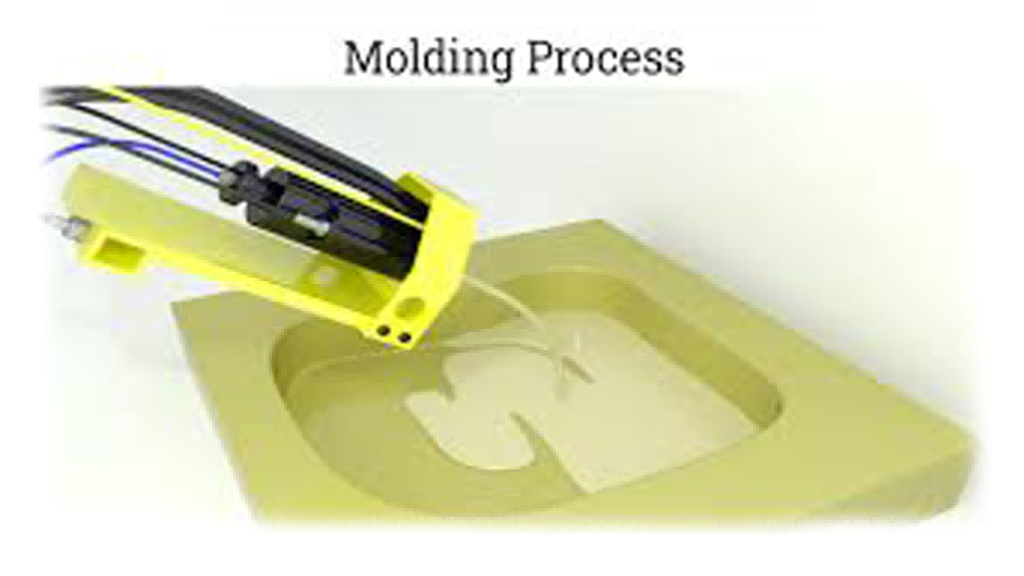
Polyurethane foam is generally produced by combining polyols and isocyanates with carefully selected additives. These may include catalysts, surfactants, blowing agents, colourants and other ingredients chosen for the required performance. The mixture is poured or injected into a mould, where it reacts, expands and sets. Once cured, the finished part is removed and may undergo trimming, inspection or further processing.
The moulding process allows manufacturers to produce parts in a wide range of shapes and sizes. Depending on the formulation and production method, the foam can be flexible, semi-rigid or rigid, and can be designed with different densities and mechanical properties.
Key characteristics
- Design flexibility: Foam can be moulded into complex contours, integrated shapes and components with varying thicknesses.
- Comfort and support: Flexible grades can be formulated to provide different levels of softness, resilience and support.
- Energy absorption: Some moulded foams help cushion impacts and vibration, making them useful in seating and protective applications.
- Low weight: PU foam can provide cushioning or insulation without adding as much mass as many solid materials.
- Application-specific performance: Formulations can be adjusted to meet requirements such as durability, airflow, compression behaviour or resistance to environmental conditions.
Actual performance depends on the foam formulation, component design, manufacturing process and conditions of use. Different PU foams are not interchangeable, so materials should be selected and tested for their intended application.
Common applications
Automotive and transport
Moulded flexible PU foam is widely used in vehicle seating, headrests and armrests. Its shape and support can be tailored to suit the seat design. Other grades may be used in interior components where cushioning, sound management or weight reduction is required.
Furniture and seating
Office chairs, sofas and other seating products often use moulded foam to create shaped cushions and supports. Moulding can help produce consistent forms and features such as channels or contours that are difficult to achieve with simple cut foam.
Appliances and insulation
Rigid moulded PU foam can be used as thermal insulation in equipment and appliances. Its suitability depends on the design, operating temperature, relevant standards and the performance requirements of the finished product.
Footwear, healthcare and packaging
Selected PU foam grades are used in footwear components, medical and assistive products, and protective packaging. In each case, the formulation and design must match the demands of the application, including factors such as comfort, hygiene, durability and impact protection.
Why moulding is useful
Compared with cutting a shape from a larger foam block, moulding can produce components with more complex geometries and repeatable features. It may also reduce the need for multiple pieces or extensive assembly. However, mould design, tooling costs, production volumes and quality-control requirements should all be considered when choosing a manufacturing method.
Design and quality considerations
Successful moulded foam components begin with a clear understanding of how the product will be used. Important factors include the required firmness, load-bearing behaviour, dimensions, comfort, service life and exposure to heat, moisture or other conditions. Designers and manufacturers should also consider the mould’s venting, filling and curing requirements, as these can influence the quality and consistency of the finished part.
Testing should be appropriate to the application. It may assess dimensions, density, compression performance, resilience, durability and other relevant properties. For products used in vehicles, buildings, healthcare or consumer goods, applicable regulations and safety standards must also be taken into account.
Responsible use and sustainability
As with other materials, the environmental impact of moulded PU foam depends on its raw materials, production process, product life and end-of-life route. Manufacturers can support more responsible use by reducing production waste, improving process efficiency, designing durable products and exploring suitable recycling or recovery options. End-of-life solutions vary by foam type and local infrastructure, so claims about recyclability should be based on the specific material and available systems.
Safe handling during manufacture is also essential. PU production involves reactive chemicals, and workplaces should follow supplier guidance, applicable safety regulations and appropriate training and protective measures.
Conclusion
Moulded polyurethane foam combines shape versatility with a wide range of possible comfort, cushioning and insulation properties. Its performance can be tailored to suit products across transport, furniture, appliances and many other sectors. Careful material selection, thoughtful component design, controlled manufacturing and suitable testing are key to achieving reliable results.
5 Essential Tips for Moulded Polyurethane Foam: Selection, Production and Storage
- Choose foam density based on the load and intended use.
- Use a well-designed mould for consistent shape and finish.
- Control mixing and curing temperatures for reliable results.
- Wear gloves and ensure good ventilation during production.
- Store foam away from heat, moisture and direct sunlight.
Choose foam density based on the load and intended use.
Choose the density of moulded polyurethane foam according to the load it will bear and how the product will be used. Higher-density foam is generally better suited to applications that need greater durability or support under heavier or frequent use, while lower-density foam may be suitable for lighter-duty uses. Density alone does not determine comfort or performance, so consider factors such as firmness, resilience and expected service life, and test the foam in the finished product.
Use a well-designed mould for consistent shape and finish.
A well-designed mould is essential for producing moulded polyurethane foam components with a consistent shape and smooth finish. Accurate dimensions, suitable venting and even material flow help reduce defects such as air pockets, uneven surfaces and dimensional variation. A carefully maintained mould can also improve repeatability across production runs and reduce the need for rework.
Control mixing and curing temperatures for reliable results.
Control mixing and curing temperatures to help produce moulded polyurethane foam with consistent quality. Temperature affects how quickly the ingredients react, how the foam rises and how it cures in the mould. Follow the formulation and equipment supplier’s guidance, and monitor temperatures throughout production; unsuitable conditions can lead to uneven filling, inconsistent cell structure or dimensional variations.
Wear gloves and ensure good ventilation during production.
During the production of moulded polyurethane foam, wear suitable protective gloves and ensure the work area is well ventilated. These precautions help reduce skin contact with raw materials and limit exposure to vapours or airborne substances. Follow the chemical supplier’s safety instructions and workplace procedures, and use any additional protective equipment required for the specific materials and process.
Store foam away from heat, moisture and direct sunlight.
Store moulded polyurethane foam in a cool, dry and well-ventilated place, away from heat sources, moisture and direct sunlight. Excessive heat or dampness can affect the foam’s shape and performance, while prolonged exposure to sunlight may cause discolouration or surface deterioration. Keep the foam protected until it is ready to use.