
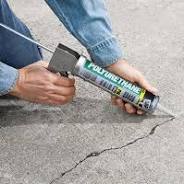
DAP Premium Polyurethane Adhesive Sealant: A Versatile Solution for Bonding and Sealing
DAP Premium Polyurethane Adhesive Sealant is designed to combine two useful functions: bonding materials and sealing joints. Its polyurethane formulation makes it suitable for a range of construction and repair tasks where a durable bond or flexible seal is required. As product specifications can vary by market, always check the packaging and current technical data sheet for details on approved uses, substrates and application conditions.
What Is a Polyurethane Adhesive Sealant?
A polyurethane adhesive sealant is a compound that adheres to surfaces while forming a seal between them. Unlike a rigid adhesive, a sealant can retain some flexibility after curing. This can help accommodate minor movement between joined materials, depending on the product and the conditions of use.
DAP’s premium polyurethane product may be considered for suitable construction, maintenance and repair applications. Before use, confirm that the product is compatible with the materials involved and appropriate for the location.
Potential Applications
Depending on the product label, polyurethane adhesive sealants may be used for tasks such as:
- Bonding compatible building materials
- Sealing joints and gaps in construction or repair work
- Fixing components where both adhesion and a flexible seal are needed
- Carrying out maintenance work on approved indoor or outdoor surfaces
Applications differ between formulations. Do not assume that a product is suitable for every surface, submerged use, structural bonding or exposure to particular chemicals. Check the manufacturer’s guidance before proceeding.
Key Benefits
- Two functions in one product: It can provide adhesion and joint sealing where the intended application allows.
- Flexible performance: Polyurethane sealants are commonly selected for joints that may experience some movement.
- Broad construction use: The formulation may suit several compatible materials, subject to the product’s instructions.
- Convenient application: The cartridge format used by many sealant products can make controlled application easier with a suitable gun.
How to Apply It
- Check suitability: Read the label and technical data sheet. Confirm that the product is right for the materials and conditions.
- Prepare the surfaces: Remove dust, loose material, grease and other contaminants. Surfaces should be prepared as directed by the manufacturer.
- Prepare the cartridge: Cut the nozzle to the required bead size and fit the cartridge into a compatible application gun.
- Apply evenly: Lay a consistent bead on the joint or bonding surface. Avoid applying more than needed.
- Finish promptly: Tool the bead if required, following the product instructions and working within its stated finishing time.
- Allow it to cure: Protect the work from disturbance and allow the product to cure for the time specified on the packaging. Curing time can depend on bead size, temperature, humidity and other site conditions.
Important Safety and Storage Guidance
Use the product in accordance with its safety instructions. Ensure suitable ventilation, avoid contact with skin and eyes, and wear protective equipment where recommended. Keep it away from children and store it as directed on the label. For large projects or unfamiliar substrates, testing a small area first can help identify adhesion or appearance issues.
Choosing the Right Sealant
DAP Premium Polyurethane Adhesive Sealant can be a practical option when a project calls for both bonding and sealing. The best results depend on selecting the correct formulation, preparing the surfaces properly and following the manufacturer’s application and curing instructions. Always consult the latest product documentation before use, particularly for specialist, exterior or safety-critical applications.
DAP Premium Polyurethane Adhesive Sealant: FAQs on Compatible Materials, Outdoor Use, Surface Preparation, Curing and Removal
- What materials can DAP Premium Polyurethane Adhesive Sealant bond and seal?
- Is DAP Premium Polyurethane Adhesive Sealant suitable for outdoor use?
- How should surfaces be prepared before applying the sealant?
- How long does DAP Premium Polyurethane Adhesive Sealant take to cure?
- How do I remove excess or cured sealant from a surface?
What materials can DAP Premium Polyurethane Adhesive Sealant bond and seal?
DAP Premium Polyurethane Adhesive Sealant is designed to bond and seal a range of common building materials, which may include wood, metal, concrete, masonry, brick, stone and selected plastics. Suitability can vary by surface and application, so check the product label or technical data sheet before use, especially on painted, non-porous or specialist materials. For best results, ensure surfaces are clean and properly prepared.
Is DAP Premium Polyurethane Adhesive Sealant suitable for outdoor use?
DAP Premium Polyurethane Adhesive Sealant may be suitable for outdoor applications if its product label and technical data sheet specify exterior use. Before applying it, check that it is compatible with the surfaces and weather conditions, and follow the instructions for surface preparation, application and curing. For best results, avoid applying it in conditions outside the manufacturer’s recommendations.
How should surfaces be prepared before applying the sealant?
Before applying DAP Premium Polyurethane Adhesive Sealant, make sure the surfaces are clean, dry and free from dust, grease, oil, loose paint and other contaminants. Remove any old sealant or unstable material, and repair damaged areas where necessary. Follow the product label or technical data sheet for surface-specific preparation, including whether a primer is required. If compatibility is uncertain, test the sealant on a small, inconspicuous area first.
How long does DAP Premium Polyurethane Adhesive Sealant take to cure?
DAP Premium Polyurethane Adhesive Sealant may take several days to cure fully; the exact time depends on the thickness of the bead, temperature, humidity and airflow. Keep the joint or bonded materials undisturbed during curing, and check the product label or current technical data sheet for the stated cure time and conditions for your specific application.
How do I remove excess or cured sealant from a surface?
Remove uncured excess promptly, using a suitable tool and cleaning method specified on the product label; avoid spreading it across the surface. Once cured, polyurethane sealant is generally difficult to dissolve, so carefully cut or scrape it away with a suitable blade or scraper, taking care not to damage the substrate. Use a sealant remover or solvent only if the manufacturer confirms it is suitable for the product and surface, and test it on an inconspicuous area first. Follow the label’s safety guidance and wear appropriate protective equipment.