
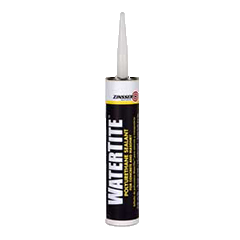
Concrete Polyurethane Sealant: Uses, Benefits and Application
Concrete is strong and durable, but it can crack or move slightly as temperatures change, moisture levels fluctuate and buildings settle. Gaps may also form where concrete meets another material. A concrete polyurethane sealant helps seal these joints, limiting the entry of water, dust and other contaminants while accommodating movement.
What Is a Polyurethane Sealant?
Polyurethane sealant is a flexible sealing material that cures after application to form an elastic bond. Products intended for concrete are commonly used in construction and maintenance to seal joints in floors, walls, façades, pavements and other concrete elements.
Sealants are available in different formulations, including one-component products that cure when exposed to moisture and multi-component products that are mixed before use. The right formulation depends on the joint, site conditions and product instructions.
Common Uses
- Expansion and movement joints in concrete floors and walls
- Joints in driveways, paths, balconies and parking areas
- Connections between concrete and materials such as masonry, metal or timber
- Cracks and gaps that are suitable for flexible sealing
- Joints in precast concrete structures
Polyurethane sealant is intended for joints and gaps, not as a substitute for repairing structural cracks or applying a complete waterproofing system. If a crack is widening, recurring or showing signs of structural movement, seek advice from a qualified professional.
Key Benefits
- Flexibility: It can accommodate a specified amount of joint movement after curing.
- Adhesion: Many formulations bond well to properly prepared concrete and other approved substrates.
- Weather resistance: Products designed for exterior use can help protect joints from rain and outdoor exposure.
- Durability: A correctly selected and installed sealant can help maintain a durable joint.
- Versatility: Different products are available for vertical, horizontal and other specific applications.
Performance varies by product. Check the technical data sheet for movement capability, suitable substrates, exposure limits and whether the sealant is appropriate for the intended location.
How to Apply Concrete Polyurethane Sealant
- Choose the right product: Confirm that it is suitable for concrete, the joint dimensions and the expected movement. For floors, check whether it can withstand foot or vehicle traffic.
- Prepare the joint: Remove old sealant, loose concrete, dust, oil and other contaminants. The sides of the joint should be sound and clean.
- Check moisture requirements: Some products tolerate slightly damp surfaces, while others require a dry substrate. Follow the manufacturer’s instructions.
- Use backing material where needed: A suitable backer rod can help control sealant depth and prevent three-sided adhesion. Follow the product guidance for joint design.
- Apply evenly: Use a sealant gun or other recommended equipment. Fill the joint without trapping air and tool the surface as directed.
- Allow it to cure: Protect the joint from water, dust, traffic and disturbance for the time stated by the manufacturer. Curing time can vary with temperature, humidity and joint size.
Choosing the Right Sealant
Before buying, consider the joint’s width and depth, the amount of movement expected, whether it is indoors or outdoors, and the type of exposure it will face. Also check compatibility with adjacent materials, the need for a primer and any restrictions on use in potable-water or food-related areas. For exterior applications, confirm the product’s resistance to weather and ultraviolet exposure; this can vary between formulations.
Safety and Maintenance
Read the product label and safety data sheet before use. Wear the recommended protective equipment and work in a well-ventilated area. Keep uncured sealant away from skin and eyes, and store the product as directed. Once cured, inspect sealed joints periodically for detachment, damage or excessive wear, and replace or repair them as recommended.
Conclusion
Concrete polyurethane sealant can provide a flexible, durable way to protect suitable joints from water and debris while accommodating movement. Careful product selection, sound joint design and thorough surface preparation are essential for good performance. Always follow the manufacturer’s instructions, as application and curing requirements differ from product to product.
6 Essential Tips for Applying Polyurethane Sealant to Concrete
- Choose a sealant rated for concrete and the joint’s movement.
- Remove dust, oil, loose concrete and old sealant before application.
- Apply primer if the product instructions require it.
- Use a backer rod to control joint depth and prevent three-sided bonding.
- Apply within the temperature and moisture limits on the product label.
- Protect the joint from rain, dust and traffic while it cures.
Choose a sealant rated for concrete and the joint’s movement.
Choose a polyurethane sealant specifically rated for concrete and suited to the amount of movement expected in the joint. Check the product label or technical data sheet for its movement capability and confirm it is appropriate for the joint’s size, location and exposure. Selecting the right product helps the seal stay flexible and adhere properly as the concrete expands, contracts or shifts slightly.
Remove dust, oil, loose concrete and old sealant before application.
Before applying concrete polyurethane sealant, prepare the joint carefully by removing dust, oil, loose concrete and any old sealant. A clean, sound surface helps the new sealant bond properly and reduces the risk of gaps or premature failure. Use suitable tools to clear the joint, then follow the product instructions on whether the surface should be completely dry before application.
Apply primer if the product instructions require it.
Apply a primer only if the sealant manufacturer’s instructions require or recommend one for the concrete or joint conditions. The correct primer can improve adhesion, but using the wrong product—or applying it incorrectly—may affect the sealant’s performance. Check the product guidance for the compatible primer, surface preparation and drying time before applying the sealant.
Use a backer rod to control joint depth and prevent three-sided bonding.
Use a backer rod when applying polyurethane sealant to a concrete joint to control the sealant’s depth and create the correct shape for movement. It also prevents the sealant from bonding to the bottom of the joint, helping it adhere only to the two sides. This two-sided bond allows the sealant to stretch and compress more effectively as the joint moves. Choose a backer rod suited to the joint width and follow the sealant manufacturer’s installation instructions.
Apply within the temperature and moisture limits on the product label.
Apply concrete polyurethane sealant only when the temperature and moisture conditions are within the limits specified on the product label. Excessive heat, cold or surface moisture can affect adhesion and curing, potentially reducing the sealant’s performance. Check the concrete and surrounding conditions before starting, and follow the manufacturer’s guidance for the best results.
Protect the joint from rain, dust and traffic while it cures.
Protect the sealed joint from rain, dust and foot or vehicle traffic while the polyurethane cures. Early exposure can affect adhesion, damage the sealant surface or leave contaminants in the joint. Follow the manufacturer’s guidance on curing time, and use a temporary cover or barrier that does not touch or disturb the fresh sealant.