
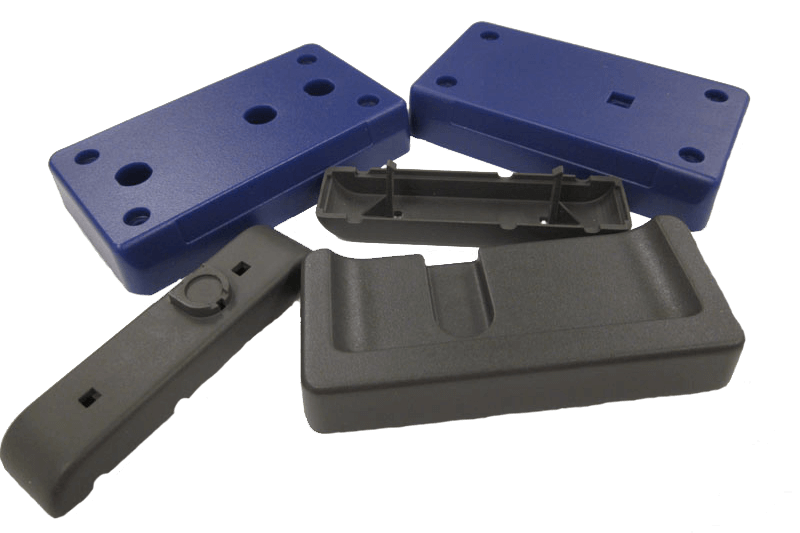
Cast Urethane: A Versatile Material for Engineered Components
Cast urethane, also known as cast polyurethane, is a versatile material used to manufacture components with a wide range of hardness, flexibility and performance characteristics. It is made by mixing liquid polyurethane ingredients and pouring them into a mould, where they cure into the required shape.
How the Cast Urethane Process Works
The process generally begins with a mould made to the desired component design. The polyurethane components are measured and mixed, then poured into the mould. Depending on the formulation and production requirements, the material may be vacuum-degassed to reduce air bubbles and cured at room temperature or with controlled heat. After curing, the part is removed from the mould and may undergo trimming or other finishing work.
Tooling for casting can be less costly and quicker to produce than tooling for some high-volume processes. This can make cast urethane suitable for prototypes, replacement parts and small-to-medium production runs. The finished part’s properties depend on the formulation, mould design and curing conditions.
Key Properties
Cast urethane can be formulated as a soft, flexible elastomer or as a harder, more rigid material. Depending on the grade, useful characteristics may include:
- Resistance to abrasion and wear
- Good load-bearing capacity and resilience
- Resistance to impact and repeated flexing
- Ability to absorb vibration and reduce noise
- Options for different colours, hardness levels and component shapes
These properties are not the same for every cast urethane product. The correct grade should be selected according to the component’s operating conditions, including load, temperature, exposure to chemicals and expected service life.
Common Applications
Cast urethane is used across many industries. Typical applications include rollers, wheels, seals, gaskets, bushings, pads, couplings, protective linings and custom moulded parts. It is also used for components that need to combine flexibility with resistance to wear or impact.
In manufacturing and material handling, for example, a cast urethane roller may be selected for its grip and wear performance. In machinery, a custom-moulded part can help absorb vibration or protect surfaces from impact. The design and material grade should always be matched to the specific application.
Benefits and Considerations
One of the main benefits of cast urethane is design flexibility. It can be produced in complex shapes and a range of hardness levels, making it useful for bespoke components. Casting can also be a practical option when production volumes do not justify more expensive tooling.
However, material selection and process control are important. Incorrect mixing or curing can affect the finished part, while trapped air may create defects. Some formulations can also be sensitive to moisture during processing. Polyurethane components may behave differently when exposed to heat, oils, solvents or outdoor conditions, so compatibility should be checked before use.
Choosing a Cast Urethane Supplier
When specifying a cast urethane component, provide details such as the part’s dimensions, operating temperature, expected loads, chemical exposure and required hardness. It is also helpful to share drawings or samples, along with information about the intended service environment. A knowledgeable supplier can recommend a suitable formulation and advise on mould design, tolerances and testing.
Conclusion
Cast urethane offers a flexible route to producing durable, application-specific components. Its combination of design freedom and adaptable material properties makes it valuable for prototypes, custom parts and production runs where conventional materials or processes may not be suitable. Careful specification and process control are essential to achieve reliable performance.
8 Essential Tips for Casting Urethane Successfully
- Measure resin and hardener accurately as specified.
- Mix slowly to reduce air bubbles.
- Work in a dry, well-ventilated area.
- Wear gloves and eye protection.
- Use a release agent suited to your mould.
- Pour steadily from one spot to help bubbles escape.
- Follow the product’s cure time and temperature range.
- Let the casting cool fully before demoulding.
Measure resin and hardener accurately as specified.
Measure the resin and hardener accurately, following the manufacturer’s specified ratio. Even a small variation can affect curing, hardness and the finished part’s strength or performance. Use suitable measuring equipment, and avoid estimating quantities by eye.
Mix slowly to reduce air bubbles.
Mix cast urethane slowly and steadily to reduce the amount of air trapped in the material. Vigorous mixing can create bubbles that may leave voids or blemishes in the finished part. Follow the manufacturer’s instructions for mixing time and technique, and use vacuum degassing if the application requires a smooth, defect-free finish.
Work in a dry, well-ventilated area.
Work with cast urethane in a dry, well-ventilated area. Moisture can affect some polyurethane formulations and may lead to bubbles or defects, while good airflow helps disperse vapours generated during mixing and curing. Follow the product safety data sheet, use the recommended protective equipment, and avoid breathing vapours or allowing the materials to contact skin.
Wear gloves and eye protection.
Wear suitable gloves and eye protection when handling cast urethane ingredients or working with uncured material. Some components may irritate or harm the skin and eyes, so follow the product safety data sheet and use the recommended protective equipment. Work in a well-ventilated area, avoid direct contact, and wash thoroughly after handling.
Use a release agent suited to your mould.
Use a release agent that is compatible with both the cast urethane formulation and the mould material. The right product helps the cured part release cleanly, reduces the risk of surface defects and can extend mould life. Apply it evenly and follow the manufacturer’s instructions, as excess release agent may affect the finish or interfere with any bonding or painting required later.
Pour steadily from one spot to help bubbles escape.
When pouring cast urethane, pour steadily from one spot rather than moving the stream around the mould. This helps the material flow smoothly and gives trapped air bubbles a better chance to rise and escape, reducing the risk of voids or surface defects. Avoid pouring too quickly, and follow the product instructions for mixing and handling.
Follow the product’s cure time and temperature range.
Follow the product’s specified cure time and temperature range when working with cast urethane. Curing it too quickly, too slowly or outside the recommended temperature range can affect the part’s strength, hardness and dimensional accuracy. Check the manufacturer’s instructions, measure the components carefully and keep curing conditions consistent for reliable results.
Let the casting cool fully before demoulding.
Allow the cast urethane to cool completely before demoulding. Removing it while it is still warm can cause distortion, surface marks or damage, as the material may not yet be firm enough to hold its shape. Follow the recommended curing and cooling times for the specific formulation, and handle the mould carefully when releasing the finished part.