
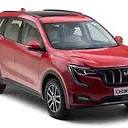
Cars: Shaping the Way We Travel
Cars have transformed the way people travel, work and connect with one another. From daily commutes to family road trips, they offer convenience and flexibility that have made them an important part of modern life. As technology and society change, cars are changing too.
A Brief Look at Cars
The earliest motor cars were a new alternative to horse-drawn transport. Over time, improvements in engineering and manufacturing made cars more practical and accessible. Today, they come in many forms, from compact hatchbacks and family sedans to SUVs and luxury vehicles.
How Cars Work
Most cars are powered by an internal combustion engine or an electric motor. Petrol and diesel cars use engines that convert fuel into motion. Electric cars use energy stored in a rechargeable battery to power an electric motor. Hybrid cars combine an engine with an electric motor, allowing them to use both fuel and electricity.
Cars also rely on systems such as brakes, steering, suspension and safety equipment. These components work together to help drivers control the vehicle and protect occupants on the road.
Choosing the Right Car
The right car depends on a person’s needs, budget and driving habits. Buyers may consider the purchase price, fuel efficiency, maintenance costs, seating capacity, boot space and safety features. For someone who mostly drives in busy city traffic, a compact car may be easier to park and manoeuvre. A larger vehicle may suit a family that needs extra room for passengers and luggage.
It is also useful to compare the total cost of ownership, including insurance, servicing, fuel or charging, and the availability of spare parts. A test drive can help buyers assess comfort, visibility and ease of use.
Safety on the Road
Safe driving is a shared responsibility. Drivers should follow traffic rules, wear seat belts and keep a safe distance from other vehicles. Avoiding distractions, never driving under the influence of alcohol, and adjusting speed to road and weather conditions can help reduce risk.
Modern cars may include features such as airbags, anti-lock braking systems, parking sensors and electronic stability control. These features can support safer driving, but they do not replace careful attention and responsible behaviour behind the wheel.
The Future of Cars
The automotive industry is developing cleaner powertrains, connected features and driver-assistance technologies. Electric vehicles are becoming a more visible option, while advances in batteries and charging infrastructure continue to influence their practicality. At the same time, manufacturers are exploring ways to make vehicles more efficient and reduce their environmental impact.
Technology is also changing the driving experience through navigation systems, smartphone connectivity and features that assist with parking or maintaining a safe distance from other vehicles. Drivers should understand how these systems work and remain alert, even when assistance features are in use.
Conclusion
Cars provide mobility and convenience, but they also bring responsibilities and costs. Choosing a vehicle that suits one’s needs, maintaining it properly and driving with care can make every journey safer and more enjoyable. As cars continue to evolve, the focus will remain on making travel more comfortable, efficient and responsible.
Best Cars in India: Top 10 Picks and Options Under ₹5 Lakh, ₹7 Lakh and ₹15 Lakh
- Which car is best in 5 lakh?
- Which car is under 15 lakh?
- Which are the top 10 best cars?
- Which car is best in 7 lakh?
Which car is best in 5 lakh?
For a budget of ₹5 lakh in India, the Maruti Suzuki Alto K10 is a practical choice for city driving, thanks to its compact size, fuel efficiency and wide service network; depending on the variant and your state, its on-road price may fit the budget. The Maruti Suzuki S-Presso may also be worth considering, while prices and availability can vary. Check the latest on-road prices, safety features, warranty and service costs at local dealerships, and consider a well-maintained used car if you need more space or features within the same budget.
Which car is under 15 lakh?
If you are looking for a car under ₹15 lakh in India, several options are available across hatchback, sedan and SUV segments. Popular choices include the Maruti Suzuki Baleno, Hyundai i20, Tata Nexon, Maruti Suzuki Brezza, Hyundai Venue and Honda Amaze, depending on the variant and current on-road price. Prices vary by city, fuel type and features, so compare the latest ex-showroom and on-road costs, safety ratings, mileage and maintenance expenses before making a decision.
Which are the top 10 best cars?
There is no single list that suits every buyer, as the best car depends on budget, space, driving needs and preferred fuel type. In India, popular choices across different categories include the Maruti Suzuki Swift, Baleno and Dzire; Hyundai Creta; Tata Nexon and Punch; Mahindra XUV 3XO; Kia Seltos; Toyota Innova Hycross; and Honda City. Compare safety ratings, on-road price, mileage, features, servicing costs and a test drive before deciding, as prices and availability can vary by location and model year.
Which car is best in 7 lakh?
If your budget is ₹7 lakh, the Maruti Suzuki WagonR is a practical choice for its spacious cabin, easy-to-drive nature and wide service network; depending on your city and variant, an entry-level version may fit within your on-road budget. For a smaller, more affordable city car, consider the Alto K10, while the Tata Tiago is worth a look if safety and build feel are priorities. Prices and on-road costs vary by location, so compare the exact variant, insurance and registration charges, and take a test drive before deciding.