
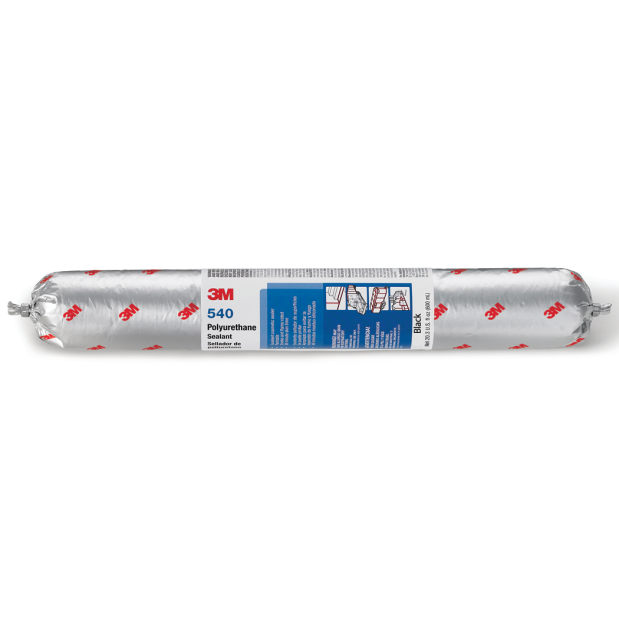
3M PU Sealant 540: Uses, Benefits and Application Tips
3M PU Sealant 540 is a polyurethane-based sealant designed to create durable, flexible seals in a range of assembly and maintenance applications. It is commonly considered for sealing joints and seams where a material needs to accommodate movement while helping keep out water, dust and air. As product details can vary by region and packaging, check the current 3M technical data sheet and label before use.
What is 3M PU Sealant 540?
Polyurethane sealants are valued for combining adhesion with flexibility. 3M PU Sealant 540 is a one-component product that cures when exposed to moisture in the air, forming an elastic seal. This makes it useful for applications where a rigid filler could crack or lose contact as materials move or vibrate.
Common applications
Depending on the surfaces, joint design and conditions of use, the sealant may be suitable for applications such as:
- Sealing seams and joints in vehicle bodies and transport equipment
- General assembly and repair work
- Sealing selected joints in metal, painted surfaces and other compatible materials
- Applications where a flexible seal is preferred over a rigid one
Always confirm that the specific substrates and intended service conditions are approved for the product. It should not be assumed suitable for every plastic, coating or high-temperature application.
Key benefits
- Flexible after curing: Helps accommodate movement in a joint.
- Convenient one-component format: Does not require mixing before application.
- Moisture-curing: Cures through exposure to moisture in the surrounding air.
- Versatile use: Can be considered for compatible substrates in assembly, sealing and repair work.
How to apply it
- Prepare the surface: Remove dust, oil, grease, loose material and old sealant. Make sure the surfaces are dry unless the product instructions specify otherwise.
- Check compatibility: Test adhesion on a small, discreet area, especially when working with plastics, coatings or unfamiliar materials. Use a primer only if the current product guidance calls for one.
- Apply evenly: Use a suitable applicator to lay a continuous bead into the joint. Avoid trapping gaps or air pockets.
- Finish the bead: Tool the sealant within the working time stated in the product instructions.
- Allow it to cure: Protect the joint from disturbance while curing. Cure time depends on factors such as temperature, humidity, bead size and joint geometry.
Important considerations
Before use, consult the latest technical data sheet for application temperature, joint design, cure characteristics, paintability, substrate compatibility and any restrictions. Do not rely on a surface skin as evidence that the sealant has cured throughout. For safety, follow the product label and safety data sheet, provide suitable ventilation, and use the recommended personal protective equipment.
Choosing the right sealant
3M PU Sealant 540 may be an option when a flexible polyurethane seal is needed, but the right choice depends on the materials being joined, expected movement, exposure conditions and required performance. Confirm suitability with the current 3M documentation or a qualified technical representative before starting a critical application.
3M PU Sealant 540 FAQs: Uses, Compatible Materials, Surface Preparation, Curing, Painting and Safety
- What is 3M PU Sealant 540 used for?
- Which materials can 3M PU Sealant 540 bond or seal?
- How should surfaces be prepared before applying 3M PU Sealant 540?
- How long does 3M PU Sealant 540 take to cure?
- Can 3M PU Sealant 540 be painted after curing?
- What safety precautions should be followed when using 3M PU Sealant 540?
What is 3M PU Sealant 540 used for?
3M PU Sealant 540 is a polyurethane-based sealant used to create flexible, durable seals in suitable assembly, repair and maintenance applications. It may be used to seal joints and seams on compatible surfaces, helping accommodate movement and protect against water, dust and air. Check the current 3M product instructions to confirm that it is suitable for the specific materials and conditions of your application.
Which materials can 3M PU Sealant 540 bond or seal?
3M PU Sealant 540 can bond or seal a range of compatible materials, which may include metals such as aluminium and steel, painted surfaces, wood and fibreglass. Suitability depends on the exact material, its finish and the application, so clean and prepare surfaces as directed and test adhesion on an inconspicuous area first. Check the latest 3M technical data sheet for approved substrates and whether a primer is required.
How should surfaces be prepared before applying 3M PU Sealant 540?
Before applying 3M PU Sealant 540, clean the surfaces thoroughly to remove dust, oil, grease, moisture, loose particles and any old sealant. Ensure the substrates are dry and sound, and check that they are compatible with the product; for unfamiliar materials, carry out an adhesion test on a small area. Use a primer only if the latest 3M product instructions recommend one, and follow the technical data sheet for any specific preparation requirements.
How long does 3M PU Sealant 540 take to cure?
The curing time for 3M PU Sealant 540 depends on factors such as temperature, humidity, bead thickness and joint design. It may form a surface skin before it has cured through, so avoid disturbing or loading the joint until it has cured sufficiently for the application. For the product’s current skinning time, cure rate and handling guidance, refer to the technical data sheet supplied for your region.
Can 3M PU Sealant 540 be painted after curing?
Yes, 3M PU Sealant 540 can generally be painted after curing, but paint compatibility may vary. Allow the sealant to cure fully, then test the chosen paint on a small area before painting the entire joint. Refer to the latest 3M technical data sheet for curing guidance and any recommendations for the specific paint and application.
What safety precautions should be followed when using 3M PU Sealant 540?
When using 3M PU Sealant 540, read the product label and current Safety Data Sheet (SDS) before starting, and work in a well-ventilated area. Wear suitable gloves and eye protection, avoid breathing vapours or getting the sealant on your skin or in your eyes, and wash thoroughly after handling. Keep it away from children and food, and follow the SDS instructions for storage, spill clean-up and disposal.