
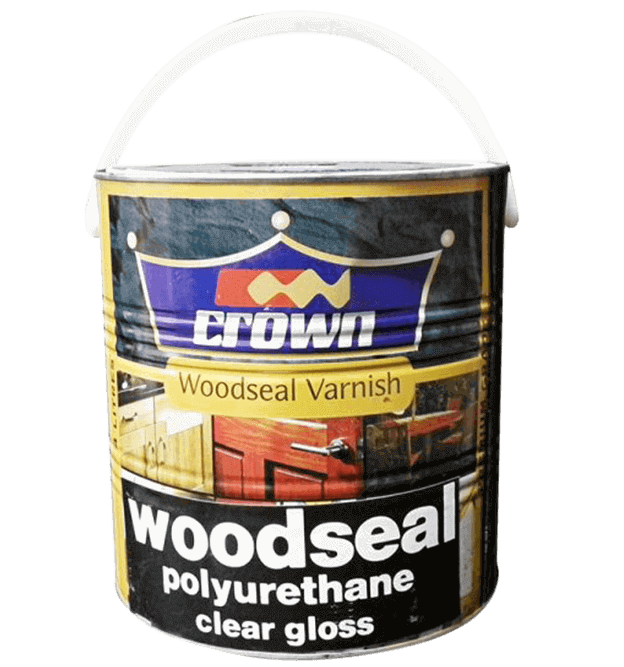
The Beauty and Benefits of Polyurethane Finish for Wood
Wood has been a popular choice for furniture, flooring, and other decorative elements in homes and buildings for centuries. To enhance the beauty and durability of wood surfaces, one common finishing option is polyurethane.
What is Polyurethane Finish?
Polyurethane is a synthetic resin that forms a protective coating when applied to wood surfaces. It comes in various forms such as oil-based, water-based, and even spray versions. Polyurethane finish creates a hard, durable layer that helps protect wood from scratches, stains, and moisture damage.
Benefits of Using Polyurethane Finish
- Durability: Polyurethane finish provides excellent protection against wear and tear, making it ideal for high-traffic areas.
- Water Resistance: The waterproof nature of polyurethane helps prevent water damage to wood surfaces.
- Enhanced Appearance: Polyurethane finish adds a glossy or satin sheen to wood, enhancing its natural beauty and color.
- Easy Maintenance: Wood surfaces with polyurethane finish are easy to clean and maintain, requiring minimal effort to keep them looking new.
Application of Polyurethane Finish
To apply polyurethane finish to wood, the surface must be clean, smooth, and free of any previous finishes. The finish can be brushed on or sprayed evenly onto the wood surface. Multiple coats may be required depending on the desired level of protection and sheen.
Caring for Wood with Polyurethane Finish
To prolong the life of wood surfaces with polyurethane finish, it is recommended to avoid harsh chemicals or abrasive cleaners that can damage the protective coating. Regular dusting and occasional polishing will help maintain the shine and integrity of the finish over time.
In Conclusion
Polyurethane finish offers a versatile solution for protecting and enhancing the beauty of wood surfaces. Whether used on furniture, flooring, or other wooden items, polyurethane provides long-lasting durability and aesthetics that stand the test of time.
7 Essential Tips for a Flawless Polyurethane Finish on Wood
- Ensure the wood surface is clean and smooth before applying polyurethane finish.
- Stir the polyurethane thoroughly to mix any settled solids before use.
- Apply thin coats of polyurethane to prevent drips and ensure even coverage.
- Sand lightly between coats for better adhesion and a smoother finish.
- Work in a well-ventilated area or wear a mask to avoid inhaling fumes during application.
- Allow each coat to dry completely before applying the next one.
- Consider using water-based polyurethane for easier cleanup and lower odor compared to oil-based options.
Ensure the wood surface is clean and smooth before applying polyurethane finish.
Before applying a polyurethane finish to wood, it is crucial to ensure that the wood surface is clean and smooth. Any dirt, dust, or imperfections on the surface can affect the adhesion and appearance of the finish. Cleaning the wood thoroughly and sanding it to a smooth texture not only helps the polyurethane adhere better but also ensures a more professional and polished final result. By taking the time to prepare the wood surface properly, you can achieve a flawless finish that enhances both the look and longevity of the wood.
Stir the polyurethane thoroughly to mix any settled solids before use.
Before applying polyurethane finish to wood surfaces, it is essential to stir the product thoroughly to ensure that any settled solids are properly mixed. This step is crucial in maintaining the consistency and quality of the finish, allowing for a smooth and even application. By stirring the polyurethane before use, you can prevent uneven coverage and ensure that the protective coating adheres effectively to the wood surface, enhancing its durability and appearance.
Apply thin coats of polyurethane to prevent drips and ensure even coverage.
When applying polyurethane finish to wood surfaces, it is advisable to apply thin coats to prevent drips and ensure even coverage. By using thin layers of polyurethane, you can avoid the risk of excess product pooling or dripping, which can lead to uneven finishes and imperfections. Thin coats allow for better control over the application process, resulting in a smoother and more consistent coverage that enhances the overall look and durability of the wood surface.
Sand lightly between coats for better adhesion and a smoother finish.
For a superior finish and improved adhesion, it is advisable to lightly sand between coats when applying polyurethane finish to wood surfaces. Sanding helps create a smooth surface by removing any imperfections or raised grain that may have occurred during the previous coat application. This process not only enhances the bond between layers of polyurethane but also results in a sleeker and more professional-looking finish. By taking the time to sand lightly between coats, you can achieve a flawless end result that showcases the beauty of the wood while ensuring long-lasting durability.
Work in a well-ventilated area or wear a mask to avoid inhaling fumes during application.
When applying polyurethane finish to wood, it is important to work in a well-ventilated area or wear a mask to prevent inhaling fumes. Proper ventilation helps dissipate the strong odors and potentially harmful vapors released during the application process, ensuring a safer working environment for the individuals involved. Taking this precaution not only protects your respiratory health but also promotes a more comfortable and efficient application experience.
Allow each coat to dry completely before applying the next one.
It is crucial to allow each coat of polyurethane finish to dry completely before applying the next one. This ensures that the protective layer forms evenly and effectively on the wood surface. Rushing the drying process can lead to a tacky or uneven finish, compromising the durability and appearance of the final result. Patience in between coats will help achieve a smooth and professional-looking finish that enhances the beauty of the wood while providing long-lasting protection.
Consider using water-based polyurethane for easier cleanup and lower odor compared to oil-based options.
When applying a polyurethane finish to wood surfaces, it is advisable to consider using water-based polyurethane for its convenient cleanup and reduced odor compared to oil-based alternatives. Water-based polyurethane offers the advantage of easier maintenance post-application, as it can be cleaned up with water and soap. Additionally, its lower odor makes it a more user-friendly option for indoor projects where strong odors may be a concern. Choosing water-based polyurethane can simplify the finishing process while still providing excellent protection and a beautiful finish for your wood projects.