
The Importance of Insulating Materials in Various Applications
Insulating materials play a crucial role in a wide range of applications, from construction to electronics. These materials are designed to reduce heat transfer and provide protection against electrical currents, making them essential for ensuring safety, energy efficiency, and performance in various industries.
Construction Industry
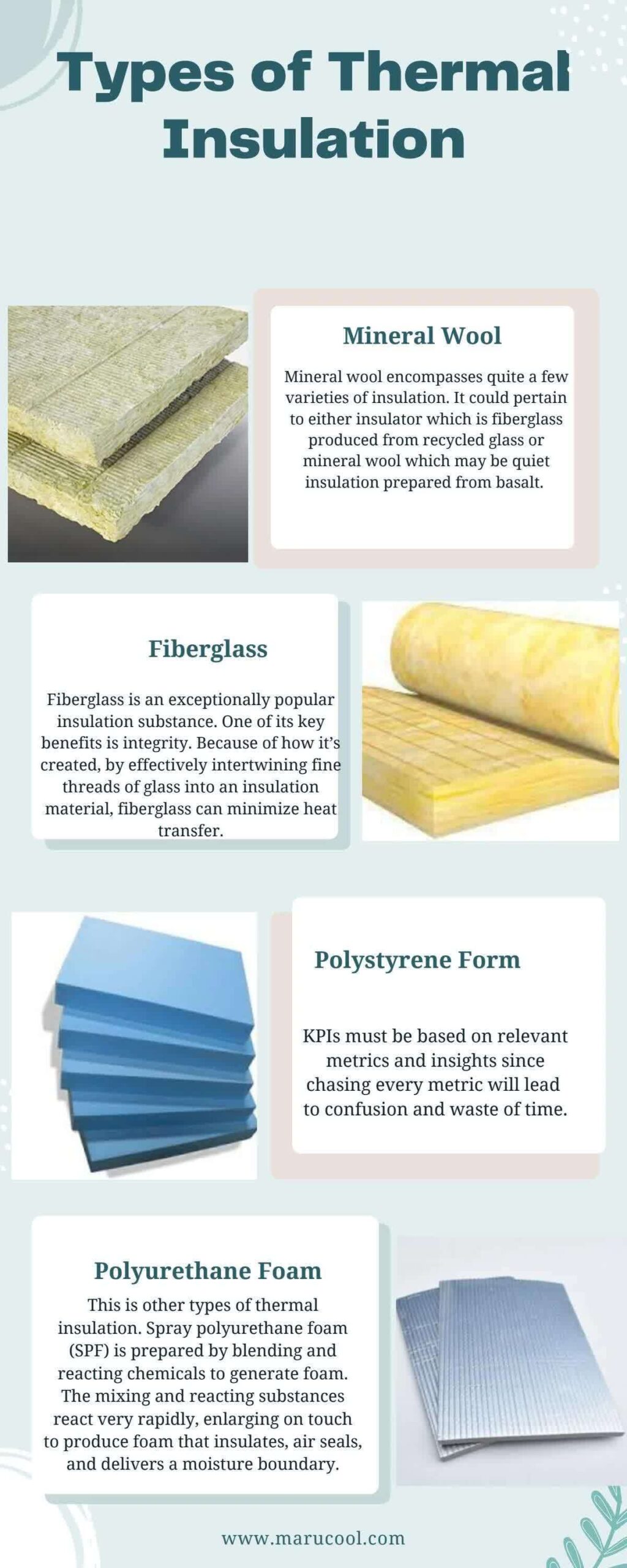
In the construction industry, insulating materials are used to regulate indoor temperature, improve energy efficiency, and enhance comfort levels. Materials such as foam insulation, fiberglass, and mineral wool help in reducing heat loss or gain through walls, roofs, and floors, thereby lowering heating and cooling costs for buildings.
Electronics Sector
Insulating materials are also vital in the electronics sector to protect electrical components from damage due to heat or moisture. Materials like silicone rubber, polyimide film, and epoxy resins provide electrical insulation and thermal management in electronic devices such as circuit boards, transformers, and motors.
Automotive Industry
In the automotive industry, insulating materials are used for noise reduction, thermal insulation, and fire protection. Materials like acoustic foams, thermal barriers, and flame-retardant coatings help enhance passenger comfort, improve vehicle performance, and ensure safety standards are met.
Conclusion
Insulating materials play a crucial role in various industries by providing thermal insulation, electrical protection, soundproofing capabilities, and more. Their diverse applications highlight the importance of selecting the right insulating material for specific requirements to ensure optimal performance and safety across different sectors.
9 Essential Tips for Choosing and Maintaining Insulation Materials Effectively
- Choose the right type of insulation material based on your needs and budget.
- Ensure proper installation of insulation to maximize its effectiveness.
- Seal any gaps or cracks in the building structure before insulating to prevent air leakage.
- Consider the R-value of the insulation material to determine its thermal resistance.
- Protect insulation from moisture to maintain its performance over time.
- Regularly inspect insulation for any signs of damage or wear and tear.
- Use appropriate safety gear when handling insulation materials to protect yourself from potential health hazards.
- Consult with a professional if you are unsure about the best insulation solution for your property.
- Properly dispose of any old or damaged insulation following local regulations.
Choose the right type of insulation material based on your needs and budget.
When selecting insulating material, it is essential to consider your specific requirements and financial constraints. Choosing the right type of insulation material based on your needs and budget is crucial for achieving optimal results. Whether you prioritize thermal efficiency, fire resistance, soundproofing, or cost-effectiveness, evaluating different insulation options can help you make an informed decision that aligns with your goals. By understanding the characteristics and benefits of various insulation materials, you can ensure that your choice not only meets your needs but also fits within your budgetary considerations.
Ensure proper installation of insulation to maximize its effectiveness.
Proper installation of insulation is crucial to maximize its effectiveness in providing thermal resistance and energy efficiency. Ensuring that insulation materials are correctly installed helps prevent air leakage, minimizes heat transfer, and maintains consistent indoor temperatures. Proper installation also helps in reducing energy consumption, lowering utility bills, and creating a more comfortable living or working environment. By paying attention to the installation process and following manufacturer guidelines, insulating materials can deliver their full potential in enhancing building performance and sustainability.
Seal any gaps or cracks in the building structure before insulating to prevent air leakage.
Before insulating a building, it is essential to seal any gaps or cracks in the structure to prevent air leakage. Properly sealing these openings helps create a more airtight environment, improving the effectiveness of insulation by reducing heat loss or gain. By addressing air leaks before insulating, you can enhance energy efficiency, maintain consistent indoor temperatures, and ultimately lower heating and cooling costs. This simple step ensures that the insulation performs optimally and maximizes the benefits of a well-insulated building.
Consider the R-value of the insulation material to determine its thermal resistance.
When selecting insulating materials, it is essential to consider the R-value of the insulation to assess its thermal resistance. The R-value indicates the material’s ability to resist heat flow, with higher values representing greater insulation effectiveness. By understanding the R-value of insulation materials, individuals can make informed decisions to improve energy efficiency, regulate indoor temperatures, and reduce heating and cooling costs in buildings and other applications.
Protect insulation from moisture to maintain its performance over time.
It is essential to protect insulation from moisture to maintain its performance over time. Moisture can compromise the effectiveness of insulating materials by reducing their thermal resistance and promoting mold growth. Properly sealed insulation helps prevent moisture infiltration, ensuring that the material retains its insulating properties and longevity. By safeguarding insulation from moisture, you can enhance energy efficiency, prevent structural damage, and prolong the lifespan of the insulation in various applications.
Regularly inspect insulation for any signs of damage or wear and tear.
Regularly inspecting insulation for any signs of damage or wear and tear is essential to maintain its effectiveness in providing thermal protection and energy efficiency. By conducting routine checks, you can identify issues such as cracks, gaps, or compression in the insulation that may compromise its performance. Timely detection of these problems allows for prompt repairs or replacement, ensuring that the insulation continues to function optimally and helps in reducing energy costs while maintaining a comfortable indoor environment.
Use appropriate safety gear when handling insulation materials to protect yourself from potential health hazards.
When working with insulating materials, it is essential to prioritize safety by using appropriate protective gear to shield yourself from potential health hazards. Insulation materials can release fibers or particles that may irritate the skin, eyes, or respiratory system, leading to health issues if proper precautions are not taken. Wearing safety gear such as gloves, goggles, masks, and coveralls can help minimize exposure and ensure a safer working environment when handling insulation materials.
Consult with a professional if you are unsure about the best insulation solution for your property.
It is advisable to seek guidance from a professional if you are uncertain about the most suitable insulation solution for your property. Consulting with an expert in insulation can help you make informed decisions based on factors such as building structure, climate conditions, and energy efficiency goals. By seeking professional advice, you can ensure that the insulation chosen meets the specific needs of your property, leading to improved thermal performance, energy savings, and overall comfort.
Properly dispose of any old or damaged insulation following local regulations.
It is essential to properly dispose of any old or damaged insulation in accordance with local regulations. Disposing of insulation materials correctly not only helps maintain a clean environment but also ensures compliance with waste management guidelines. By following the prescribed disposal methods, individuals can contribute to environmental sustainability and prevent potential health hazards associated with improper handling of insulation waste.