
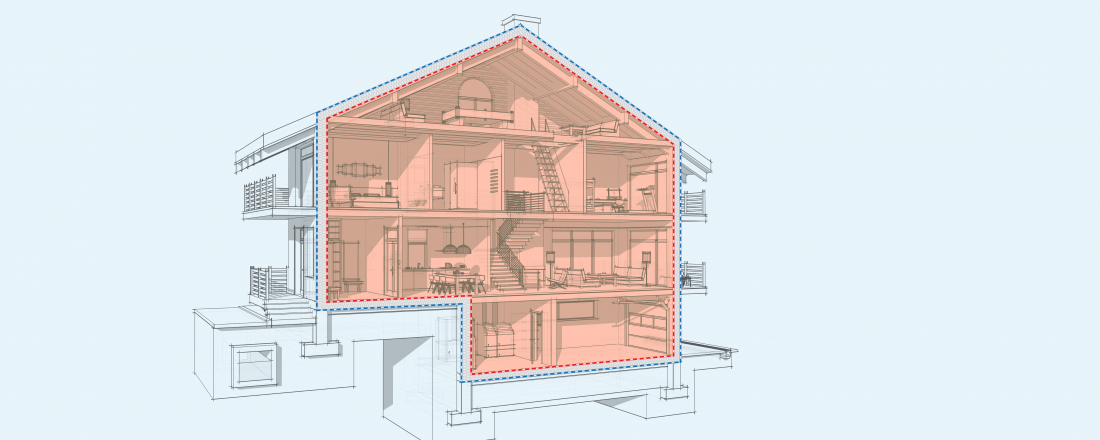
The Importance of Thermal Insulation
Thermal insulation plays a crucial role in maintaining comfortable indoor temperatures, reducing energy consumption, and promoting sustainability in buildings. Whether it is a residential home, commercial office space, or industrial facility, proper thermal insulation is essential for optimizing energy efficiency and creating a healthy living or working environment.
Benefits of Thermal Insulation:
- Energy Efficiency: By reducing heat transfer through walls, roofs, and floors, thermal insulation helps minimize the need for heating and cooling systems, resulting in lower energy bills.
- Comfort: Insulated spaces maintain more stable temperatures throughout the year, ensuring a comfortable living or working environment regardless of external weather conditions.
- Noise Reduction: In addition to thermal benefits, insulation materials also provide soundproofing properties, helping to minimize noise pollution from outside sources.
- Environmental Impact: Improved energy efficiency due to thermal insulation leads to reduced greenhouse gas emissions and contributes to a more sustainable built environment.
Types of Thermal Insulation Materials:
There are various types of materials used for thermal insulation, each with its own properties and applications. Common options include:
- Fiberglass: Lightweight and cost-effective, fiberglass insulation is one of the most popular choices for residential and commercial buildings.
- Foam Board: Rigid foam boards offer high insulating values and moisture resistance, making them suitable for areas prone to water exposure.
- Spray Foam: Spray foam insulation expands to fill gaps and crevices, providing excellent air sealing properties along with thermal resistance.
- Cellulose: Made from recycled paper or plant fibers, cellulose insulation is eco-friendly and offers good thermal performance.
Installation Considerations:
Proper installation of thermal insulation is essential to maximize its effectiveness. Factors such as material selection, thickness, vapor barriers, and air sealing should be carefully considered during the installation process to ensure optimal performance.
In Conclusion
Thermal insulation is not just about keeping spaces warm in winter and cool in summer; it is about creating efficient and sustainable buildings that benefit occupants and the environment alike. Investing in quality thermal insulation can lead to long-term savings on energy costs while improving overall comfort and well-being.
Understanding Thermal Insulation: Key Questions and Answers
- What are 5 thermal insulators?
- What are the 3 types of insulation?
- What is an example of thermal insulator?
- What is the meaning of heat insulator?
- What is the principle of thermal insulation?
- What has the best thermal insulation?
- What is thermal insulation?
- What are the advantages of thermal insulation?
What are 5 thermal insulators?
When it comes to thermal insulation, there are several materials commonly used as insulators to reduce heat transfer and improve energy efficiency in buildings. Five popular thermal insulators include fiberglass, foam board, spray foam, cellulose, and mineral wool. These materials offer varying levels of thermal resistance and are chosen based on factors such as cost, performance, and application requirements. Whether it’s for residential or commercial use, selecting the right thermal insulator is crucial for maintaining comfortable indoor temperatures and reducing energy consumption.
What are the 3 types of insulation?
When it comes to thermal insulation, there are three main types commonly used in buildings and structures: fiberglass insulation, foam board insulation, and spray foam insulation. Fiberglass insulation is known for its affordability and versatility, making it a popular choice for both residential and commercial applications. Foam board insulation offers high insulating values and moisture resistance, making it suitable for areas prone to water exposure. Spray foam insulation expands to fill gaps and provides excellent air sealing properties along with thermal resistance. Each type of insulation has its own set of benefits and applications, catering to different needs based on factors such as cost, performance, and installation requirements.
What is an example of thermal insulator?
An example of a commonly used thermal insulator is fiberglass insulation. Fiberglass is a lightweight material made from fine glass fibers and is widely employed in residential and commercial buildings for its excellent thermal insulating properties. It works by trapping pockets of air within its structure, which helps slow down the transfer of heat through walls, ceilings, and floors. Fiberglass insulation is cost-effective, easy to install, and offers good resistance to moisture, making it a popular choice for enhancing energy efficiency and maintaining comfortable indoor temperatures.
What is the meaning of heat insulator?
A heat insulator, also known as thermal insulation, refers to a material or structure designed to reduce the transfer of heat between two surfaces or environments. The primary purpose of a heat insulator is to inhibit the flow of heat energy, either by preventing heat from entering or escaping a space. By creating a barrier that limits thermal conductivity, heat insulators help maintain desired temperatures within buildings, appliances, or industrial equipment. Effective thermal insulation not only enhances energy efficiency and comfort but also plays a vital role in environmental sustainability by reducing the overall energy consumption required for heating and cooling purposes.
What is the principle of thermal insulation?
The principle of thermal insulation revolves around minimizing heat transfer between the interior and exterior of a building or structure. Thermal insulation materials are designed to reduce the flow of heat through walls, roofs, floors, and other surfaces, thereby creating a barrier that helps maintain desired indoor temperatures. This is achieved by trapping air pockets within the insulation material, which slows down the conduction, convection, and radiation of heat. By impeding the movement of heat energy, thermal insulation plays a crucial role in improving energy efficiency, reducing heating and cooling costs, and enhancing overall comfort within living or working spaces.
What has the best thermal insulation?
When considering the question of what has the best thermal insulation, it is important to understand that the effectiveness of thermal insulation depends on various factors such as the specific application, budget constraints, and environmental considerations. Different materials offer different levels of thermal resistance, with options like spray foam insulation known for their high R-values and ability to seal air leaks effectively. However, the best thermal insulation choice may vary based on the unique requirements of a project, making it essential to consult with experts in the field to determine the most suitable solution for optimal energy efficiency and comfort.
What is thermal insulation?
Thermal insulation is a crucial component in the construction and design of buildings, aimed at reducing heat transfer between the interior and exterior environments. Essentially, thermal insulation acts as a barrier that helps maintain desired temperatures inside a structure by preventing the escape of heat during colder months and blocking heat gain in warmer seasons. By minimizing heat flow through walls, roofs, floors, and other building elements, thermal insulation not only enhances energy efficiency but also contributes to creating comfortable and sustainable living or working spaces.
What are the advantages of thermal insulation?
Thermal insulation offers several advantages that are essential for maintaining energy efficiency and creating comfortable indoor environments. One of the key benefits is improved energy efficiency, as insulation helps reduce heat transfer through walls, roofs, and floors, leading to lower energy consumption and cost savings on heating and cooling. Additionally, thermal insulation enhances comfort by maintaining consistent temperatures inside buildings regardless of external weather conditions. It also provides soundproofing properties, contributing to a quieter and more peaceful living or working environment. Furthermore, thermal insulation plays a vital role in reducing environmental impact by lowering greenhouse gas emissions associated with excessive energy use. Overall, the advantages of thermal insulation extend beyond just temperature control to encompass economic savings, comfort enhancement, noise reduction, and sustainability benefits.