
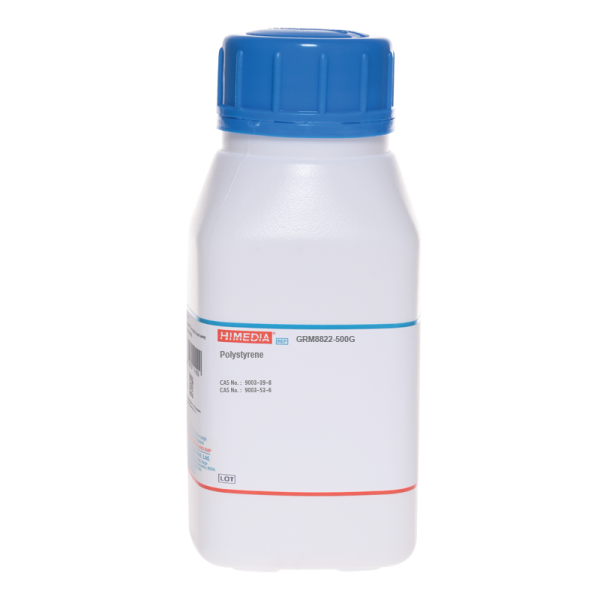
The Versatile World of Polystyrene
Polystyrene, a synthetic polymer made from styrene monomers, is a widely used material with diverse applications across various industries. Known for its lightweight and rigid properties, polystyrene plays a crucial role in everyday products that we encounter.
Applications in Packaging
One of the most common uses of polystyrene is in packaging materials. Its excellent insulation properties make it ideal for protecting fragile items during transportation. From food containers to electronics packaging, polystyrene helps ensure that products reach consumers intact.
Construction Industry
In the construction sector, expanded polystyrene (EPS) foam is widely used for insulation purposes. Its thermal resistance and moisture resistance properties make it an effective material for maintaining indoor temperature and energy efficiency in buildings.
Consumer Products
Polystyrene is also found in various consumer products such as disposable cups, cutlery, and CD cases. Its affordability and ease of molding into different shapes have made it a popular choice for manufacturers looking to produce lightweight yet durable items.
Environmental Concerns
While polystyrene offers many benefits, there are concerns about its impact on the environment. Due to its non-biodegradable nature, improper disposal of polystyrene products can contribute to pollution and harm wildlife. Efforts are being made to promote recycling and reduce the environmental footprint of polystyrene usage.
Future Innovations
Researchers are exploring ways to enhance the sustainability of polystyrene by developing biodegradable alternatives or improving recycling processes. By innovating in this space, we can continue to benefit from the versatility of polystyrene while minimizing its environmental impact.
In conclusion, polystyrene remains an integral part of modern industries due to its versatility and practicality. As we strive towards more sustainable practices, finding ways to balance its benefits with environmental considerations will be key to shaping its future role in our society.
8 Essential Tips for Responsible Use and Disposal of Polystyrene
- Polystyrene is a lightweight and versatile plastic material.
- Avoid using polystyrene products for hot food or beverages as it can release toxic chemicals when heated.
- Recycle polystyrene whenever possible to reduce environmental impact.
- Do not burn polystyrene as it releases harmful gases into the air.
- Consider alternatives to polystyrene packaging, such as paper-based materials or biodegradable plastics.
- Handle polystyrene products carefully to avoid breakage, which can create small pieces that are difficult to clean up and can be harmful if ingested by animals.
- Store polystyrene items in a cool, dry place away from direct sunlight to prevent degradation over time.
- Be aware of local recycling options for polystyrene and dispose of it properly to help minimize waste.
Polystyrene is a lightweight and versatile plastic material.
Polystyrene stands out as a lightweight and versatile plastic material, prized for its ability to be easily molded into various shapes and forms. Its lightweight nature makes it an ideal choice for applications where weight is a key consideration, such as packaging and consumer products. The versatility of polystyrene extends to its insulation properties, making it a valuable component in the construction industry for maintaining energy efficiency in buildings. Despite its lightweight composition, polystyrene offers durability and impact resistance, further enhancing its appeal across different sectors for a wide range of practical uses.
Avoid using polystyrene products for hot food or beverages as it can release toxic chemicals when heated.
It is advisable to avoid using polystyrene products for hot food or beverages due to the potential release of toxic chemicals when exposed to heat. Polystyrene, when heated, can leach harmful substances that may pose health risks if consumed. Opting for alternative materials that are specifically designed for high-temperature applications can help ensure the safety of your food and beverages.
Recycle polystyrene whenever possible to reduce environmental impact.
Recycling polystyrene whenever possible is a crucial step in minimizing its environmental impact. By diverting polystyrene waste from landfills and incineration, recycling helps conserve resources and reduce pollution. Through proper recycling processes, polystyrene can be transformed into new products, extending its lifecycle and promoting a more sustainable approach to its usage. Embracing recycling practices for polystyrene not only benefits the environment but also contributes to a circular economy where materials are reused efficiently.
Do not burn polystyrene as it releases harmful gases into the air.
Burning polystyrene should be avoided as it releases harmful gases into the air. When polystyrene is burned, it can produce toxic substances such as styrene gas and carbon monoxide, which pose serious health risks when inhaled. It is important to dispose of polystyrene properly through recycling or other appropriate waste management methods to prevent environmental pollution and protect human health.
Consider alternatives to polystyrene packaging, such as paper-based materials or biodegradable plastics.
When choosing packaging materials, it is advisable to explore alternatives to polystyrene, such as paper-based materials or biodegradable plastics. Opting for these eco-friendly options can help reduce the environmental impact associated with traditional polystyrene packaging. Paper-based materials are recyclable and biodegradable, while biodegradable plastics offer a sustainable solution that breaks down more easily in the environment. By considering these alternatives, we can make conscious decisions that contribute to a greener and more sustainable future.
Handle polystyrene products carefully to avoid breakage, which can create small pieces that are difficult to clean up and can be harmful if ingested by animals.
When dealing with polystyrene products, it is essential to handle them with care to prevent breakage. Broken pieces of polystyrene can be challenging to clean up and pose a risk if ingested by animals. By taking precautions to avoid accidental damage, we can help minimize the potential environmental impact and ensure the safe use and disposal of polystyrene materials.
Store polystyrene items in a cool, dry place away from direct sunlight to prevent degradation over time.
It is advisable to store polystyrene items in a cool, dry location away from direct sunlight to prevent degradation over time. Exposure to heat and sunlight can weaken the structural integrity of polystyrene, leading to potential damage or deterioration of the material. By storing polystyrene products in a suitable environment, you can help maintain their quality and prolong their lifespan for optimal use.
Be aware of local recycling options for polystyrene and dispose of it properly to help minimize waste.
It is important to be mindful of local recycling options for polystyrene and ensure its proper disposal to contribute towards minimizing waste. By making use of available recycling facilities or programs dedicated to polystyrene, we can help reduce the environmental impact of this material and promote a more sustainable approach to managing waste. Taking simple steps to recycle polystyrene responsibly can make a significant difference in conserving resources and protecting our planet for future generations.