
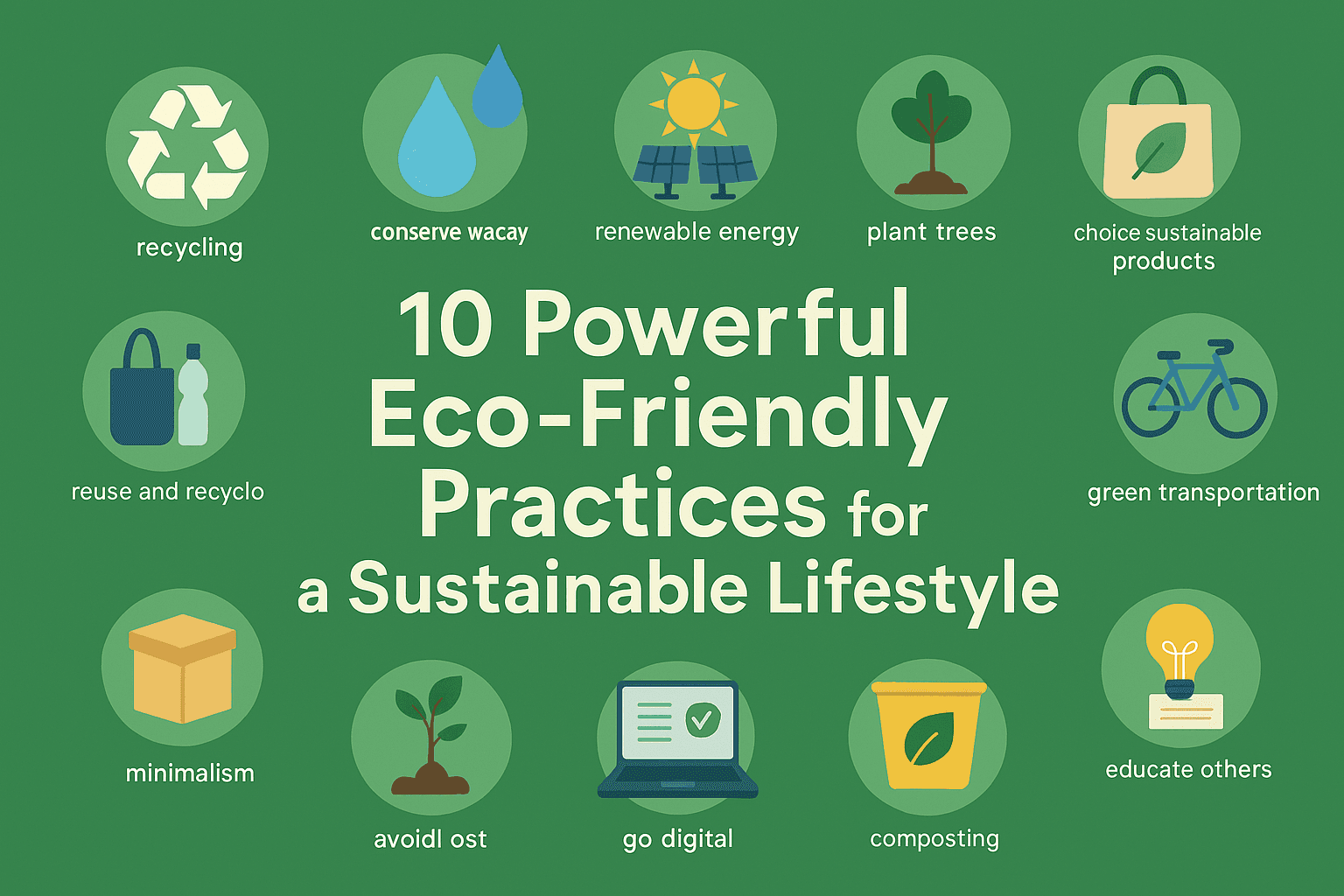
The Importance of Eco-Friendly Practices in Today’s World
As the world grapples with environmental challenges such as climate change, pollution, and resource depletion, the need for eco-friendly practices has never been more urgent. Embracing sustainability and incorporating eco-friendly solutions into our daily lives and businesses is crucial for preserving our planet for future generations.
Eco-friendly practices encompass a wide range of initiatives aimed at reducing our impact on the environment. This includes using renewable energy sources, minimizing waste generation, conserving water and energy, and promoting biodiversity conservation. By adopting these practices, we can mitigate the negative effects of human activities on the Earth’s ecosystems.
Businesses play a significant role in driving eco-friendly practices through sustainable production methods, ethical sourcing of materials, and investing in green technologies. Consumers also have a vital part to play by choosing eco-friendly products, reducing single-use plastics, and supporting companies that prioritize environmental stewardship.
Government policies and regulations are essential in incentivizing eco-friendly practices and holding industries accountable for their environmental footprint. By implementing stringent environmental standards and promoting green initiatives, governments can create a conducive environment for sustainable development.
Ultimately, embracing eco-friendly practices is not just a choice but a responsibility that we owe to our planet. By making conscious decisions to protect the environment today, we can ensure a healthier and more sustainable future for all living beings on Earth.
8 Benefits of Embracing Eco-Friendly Practices: A Path to a Sustainable Future
- Reduces carbon footprint and mitigates climate change
- Conserves natural resources for future generations
- Promotes cleaner air and water quality
- Supports biodiversity conservation and ecosystem health
- Encourages sustainable practices in agriculture, industry, and construction
- Improves public health by reducing exposure to harmful chemicals and pollutants
- Creates green jobs and stimulates economic growth in the renewable energy sector
- Fosters a sense of environmental responsibility and ethical stewardship
Challenges of Adopting Eco-Friendly Practices: Costs, Availability, and Consumer Awareness
- Higher initial costs for eco-friendly products and technologies
- Limited availability of eco-friendly alternatives in certain industries
- Potential performance limitations compared to conventional products
- Complexity in recycling and disposal processes for some eco-friendly materials
- Transitioning to eco-friendly practices may require significant changes in existing infrastructure
- Perceived inconvenience or lack of awareness among consumers about the benefits of eco-friendly options
Reduces carbon footprint and mitigates climate change
By embracing eco-friendly practices, we can significantly reduce our carbon footprint and contribute to mitigating climate change. By using renewable energy sources, minimizing waste generation, and promoting energy efficiency, we can lower greenhouse gas emissions that are driving global warming. Taking steps towards sustainability not only benefits the environment but also helps in creating a more resilient and climate-friendly future for generations to come.
Conserves natural resources for future generations
By adopting eco-friendly practices, we can effectively conserve natural resources for the benefit of future generations. By reducing waste, promoting energy efficiency, and utilizing renewable resources, we ensure that vital elements such as water, forests, and minerals are preserved for the long term. This proactive approach not only safeguards the environment but also guarantees that our descendants will have access to essential resources necessary for their well-being and prosperity. Embracing eco-friendly solutions today is a crucial step towards ensuring a sustainable and thriving planet for generations to come.
Promotes cleaner air and water quality
Embracing eco-friendly practices promotes cleaner air and water quality, benefiting both the environment and human health. By reducing pollution from harmful chemicals and emissions, such as greenhouse gases and toxic pollutants, eco-friendly initiatives help to preserve the quality of our air and water resources. Cleaner air means lower instances of respiratory illnesses and improved overall well-being for communities, while better water quality ensures safe drinking water and supports aquatic ecosystems. Prioritizing eco-friendly solutions is essential for safeguarding the planet’s natural resources and creating a healthier environment for present and future generations.
Supports biodiversity conservation and ecosystem health
Supporting biodiversity conservation and ecosystem health is a crucial pro of eco-friendly practices. By adopting sustainable methods and reducing our environmental impact, we can help preserve the delicate balance of ecosystems and protect the diverse range of plant and animal species that depend on them. Conserving biodiversity not only safeguards the natural beauty of our planet but also ensures the resilience and stability of ecosystems, ultimately benefiting all life forms, including humans. Embracing eco-friendly practices is essential in safeguarding the health and vitality of our planet’s ecosystems for future generations to enjoy.
Encourages sustainable practices in agriculture, industry, and construction
Encouraging eco-friendly practices promotes sustainability in agriculture, industry, and construction sectors. By implementing methods that prioritize environmental conservation, such as organic farming, energy-efficient manufacturing processes, and green building techniques, we can reduce the strain on natural resources and minimize harmful impacts on ecosystems. Embracing sustainable practices not only ensures the long-term viability of these industries but also contributes to a healthier planet for current and future generations to thrive in.
Improves public health by reducing exposure to harmful chemicals and pollutants
Embracing eco-friendly practices offers a significant benefit by improving public health through the reduction of exposure to harmful chemicals and pollutants. By opting for environmentally friendly products and processes, we can minimize toxic emissions, pollutants in the air and water, and harmful chemicals that can have detrimental effects on human health. This proactive approach not only safeguards our well-being but also contributes to creating cleaner and healthier environments for communities to thrive in.
Creates green jobs and stimulates economic growth in the renewable energy sector
The pro of eco-friendly practices, such as investing in renewable energy sources, is that it creates green jobs and stimulates economic growth in the renewable energy sector. By shifting towards sustainable energy production, we not only reduce our carbon footprint but also open up opportunities for job creation in industries like solar, wind, and hydroelectric power. This transition to renewable energy not only benefits the environment but also boosts economic development by fostering innovation, attracting investments, and promoting a greener and more resilient economy for future generations.
Fosters a sense of environmental responsibility and ethical stewardship
Embracing eco-friendly practices fosters a sense of environmental responsibility and ethical stewardship among individuals and businesses. By prioritizing sustainability and making conscious choices to reduce our environmental impact, we demonstrate a commitment to preserving the planet for future generations. This sense of responsibility encourages us to consider the long-term consequences of our actions on the environment and motivates us to adopt practices that promote ecological balance and conservation. Through ethical stewardship, we acknowledge our role as caretakers of the Earth and strive to make decisions that benefit not only ourselves but also the entire ecosystem.
Higher initial costs for eco-friendly products and technologies
While eco-friendly products and technologies offer numerous long-term benefits for the environment, one significant drawback is the higher initial costs associated with their adoption. The production processes and materials used in eco-friendly products often come at a premium, making them more expensive upfront compared to conventional alternatives. This cost barrier can deter some consumers and businesses from investing in sustainable solutions, especially in regions where economic constraints are a concern. However, it is important to consider the broader environmental and social benefits that eco-friendly practices bring in the long run, outweighing the initial financial investment required. Efforts to drive down costs through innovation and economies of scale are essential to make eco-friendly options more accessible and affordable for all.
Limited availability of eco-friendly alternatives in certain industries
The limited availability of eco-friendly alternatives in certain industries poses a significant challenge to widespread adoption of sustainable practices. While there is a growing awareness of the need to reduce environmental impact, industries such as heavy manufacturing or aviation often face constraints in finding viable eco-friendly solutions that meet their specific requirements. This scarcity of options can hinder progress towards sustainability goals and may result in continued reliance on traditional, less environmentally friendly practices. Addressing this con requires collaborative efforts among stakeholders to innovate and develop more sustainable alternatives tailored to these industries’ unique needs.
Potential performance limitations compared to conventional products
While eco-friendly products offer numerous benefits for the environment, one potential drawback is the risk of performance limitations compared to conventional products. Due to the use of alternative materials or manufacturing processes aimed at reducing environmental impact, eco-friendly products may sometimes fall short in terms of durability, efficiency, or effectiveness. This can pose a challenge for consumers who prioritize both sustainability and product performance. However, advancements in technology and innovation are continuously addressing these limitations, leading to the development of eco-friendly solutions that offer comparable performance to traditional counterparts without compromising on environmental benefits.
Complexity in recycling and disposal processes for some eco-friendly materials
One of the challenges associated with eco-friendly practices is the complexity in recycling and disposal processes for certain eco-friendly materials. While these materials are designed to be environmentally sustainable, their unique compositions can make recycling them a complicated task. Different types of eco-friendly materials may require specialized recycling facilities or processes, which can limit their recyclability and increase the burden on waste management systems. This complexity in recycling and disposal processes highlights the importance of developing standardized guidelines and infrastructure to effectively manage and recycle eco-friendly materials, ensuring that their environmental benefits are maximized throughout their lifecycle.
Transitioning to eco-friendly practices may require significant changes in existing infrastructure
Transitioning to eco-friendly practices may pose a challenge due to the need for significant changes in existing infrastructure. Implementing eco-friendly solutions often requires upgrading or replacing outdated systems and technologies, which can be costly and time-consuming. Industries and businesses may face disruptions in their operations during the transition period, leading to temporary setbacks in productivity. Additionally, adapting to new eco-friendly practices may require retraining employees and adjusting workflow processes, causing initial resistance and reluctance to change. Despite these challenges, investing in sustainable infrastructure is crucial for long-term environmental preservation and should be viewed as a necessary step towards a greener future.
Perceived inconvenience or lack of awareness among consumers about the benefits of eco-friendly options
One significant con of eco-friendly practices is the perceived inconvenience or lack of awareness among consumers about the benefits of choosing sustainable options. Many individuals may view eco-friendly products as less convenient or more expensive compared to traditional alternatives, leading to reluctance in making the switch. Additionally, a lack of awareness about the positive impact of eco-friendly choices on the environment can hinder consumer adoption. Overcoming these barriers requires education and communication to highlight the long-term benefits of eco-friendly options in terms of environmental preservation and personal well-being.