
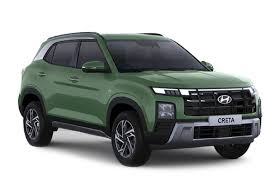
The Car: A Convenient Way to Travel
A car is a road vehicle designed to carry people and, in many cases, their luggage. It is an important part of modern transport, offering convenience for daily commutes, family trips and travel to places that may not be easily reached by public transport.
How Cars Have Changed
Over the years, cars have evolved from simple motorised vehicles into sophisticated machines. Modern cars may include features such as air conditioning, power steering, anti-lock braking systems, airbags, parking sensors and touchscreen infotainment systems. These technologies can make driving more comfortable and help improve safety.
Types of Cars
Cars are available in many shapes and sizes. Hatchbacks are often valued for their compact dimensions and practicality, while sedans offer a separate boot and a comfortable cabin. SUVs and multi-purpose vehicles provide more space and a higher seating position. Electric cars use rechargeable batteries, while many other cars run on petrol, diesel or compressed natural gas. Hybrid cars combine an internal combustion engine with an electric motor.
Choosing the Right Car
The right car depends on a person’s needs, budget and driving conditions. Buyers may consider the purchase price, fuel or charging costs, maintenance, safety features, seating capacity and availability of service centres. It is also useful to compare models, take a test drive and check the vehicle’s warranty and ownership costs before making a decision.
Driving Safely
Safe driving requires attention and consideration for everyone on the road. Drivers should follow traffic rules, wear seat belts and ensure that passengers are properly seated. Mobile phones should not be used while driving, and speed should be adjusted to road and weather conditions. Regular servicing, tyre checks and well-maintained brakes can also help keep a car roadworthy.
A More Sustainable Future
Cars provide mobility, but their use can also contribute to traffic congestion, air pollution and greenhouse gas emissions. Carpooling, combining journeys and choosing a fuel-efficient or electric vehicle are some ways to reduce the impact of personal transport. Walking, cycling and public transport can be practical alternatives for suitable journeys.
Whether used for everyday travel or occasional journeys, a car can offer comfort and flexibility. Choosing thoughtfully, maintaining the vehicle and driving responsibly can help make car ownership safer and more useful.
6 Essential Car Safety and Maintenance Tips for Indian Drivers
- Check tyre pressure regularly.
- Wear seat belts on every trip.
- Keep headlights and indicators working.
- Service the car on schedule.
- Avoid using a phone while driving.
- Carry your driving licence and insurance papers.
Check tyre pressure regularly.
Check your car’s tyre pressure regularly, as correctly inflated tyres help improve safety, fuel efficiency and tyre life. Use a reliable pressure gauge when the tyres are cold, and follow the pressure recommended in your vehicle’s manual or on the label inside the driver’s door. Remember to check the spare tyre as well.
Wear seat belts on every trip.
Wear a seat belt on every trip, however short the journey may be. It helps keep you securely in your seat and can reduce the risk of serious injury during sudden braking or a collision. Ensure that the belt sits snugly across your shoulder and chest, with the lap belt low across your hips. Make sure every passenger is buckled up before the car moves, and use an appropriate child restraint for young children.
Keep headlights and indicators working.
Keep your car’s headlights and indicators in good working condition to help you see the road and make your intentions clear to other road users. Check them regularly, including the brake lights, and replace faulty bulbs promptly. Clean the light covers so they remain bright, and use your indicators well in advance when turning or changing lanes.
Service the car on schedule.
Service your car on schedule to keep it safe, reliable and efficient. Regular servicing helps identify worn parts and minor problems before they become costly repairs. Follow the maintenance intervals recommended in the owner’s manual, and have essential items such as the engine oil, brakes, tyres, battery and filters checked by a qualified technician. Keep a record of each service so you can track maintenance and support the car’s resale value.
Avoid using a phone while driving.
Avoid using a phone while driving, as even a quick glance at a message can take your attention off the road. Keep your phone out of reach or switch on driving mode before starting your journey. If you need to make a call or check directions, pull over safely and park first. Staying focused helps protect you, your passengers and everyone else on the road.
Carry your driving licence and insurance papers.
Always carry your valid driving licence and vehicle insurance papers when travelling by car. These documents may be required during a traffic check or after an accident, and keeping them readily accessible can save time and avoid unnecessary inconvenience. Store physical copies safely in the car, or use accepted digital versions where permitted, and check that both documents are current.