
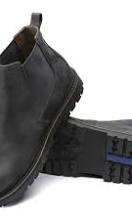
Boots: A Practical Guide to Choosing and Caring for Them
Boots are a versatile type of footwear designed to cover the foot and extend over the ankle. Depending on their style and construction, they can offer added protection, warmth, support or grip. From everyday wear to hiking and industrial work, the right pair of boots can make a noticeable difference to comfort and performance.
Popular Types of Boots
- Work boots: Built for demanding environments, these may feature reinforced toes, durable soles and materials suited to the wearer’s workplace.
- Hiking boots: Designed for outdoor trails, they often provide ankle support and grippy soles. Lightweight options are available for shorter walks, while sturdier pairs are suited to rougher terrain.
- Rain boots: Usually made from waterproof materials such as rubber, they help keep feet dry in wet conditions.
- Winter boots: These may include insulation and weather-resistant uppers to help keep feet warm and protected in cold conditions.
- Fashion boots: Available in many shapes and finishes, these include ankle boots, riding boots and heeled styles for everyday or occasion wear.
- Safety boots: Made for specific workplace risks, they may include features such as toe protection or slip-resistant soles. Always check that a pair meets the requirements of the intended work environment.
How to Choose the Right Pair
Start by considering where and how the boots will be used. A pair for a hiking trail has different requirements from one worn at work or for daily errands. Look for features that suit the conditions, such as water resistance, insulation, grip or protective components.
Fit is equally important. Try boots on with the socks you expect to wear, and check that your toes have room to move without your heel slipping excessively. The boots should feel secure but not tight. If possible, try them on later in the day, when feet may be slightly larger. For specialist work or outdoor activities, follow relevant safety and fit guidance.
Pay attention to the sole and upper material as well. Leather can be durable and may soften with wear, while synthetic materials are often lighter and may dry more quickly. Rubber soles can provide useful grip, but their performance varies by design and surface. No single material is best for every use.
Breaking In New Boots
Some boots need time to feel comfortable. Wear a new pair for short periods at first, then gradually increase the time. Use suitable socks and check for rubbing or pressure points. If discomfort continues, the size or shape may not be right. Boots intended for demanding work or long walks should be comfortable before they are used for extended periods.
Care and Maintenance
Regular care can help boots last longer. Brush off dry dirt and wipe away mud with a damp cloth. Let wet boots dry naturally at room temperature; placing them next to a heater can damage some materials. Remove the insoles, if possible, to help them air out.
Use cleaning products and conditioners that are suitable for the boot material, and follow the manufacturer’s instructions. Waterproof treatments can help maintain water resistance, but they may need to be reapplied. Check the soles, stitching and fastenings regularly, and have worn components repaired when practical.
Choosing Boots with Care
A good pair of boots balances purpose, fit, comfort and durability. Considering the conditions in which they will be worn—and caring for them properly—can help you find a pair that serves you well, whether you are walking a trail, working on site or completing an everyday outfit.
Boots FAQs: Sizing, Fit, Breaking In, Leather Care, Waterproofing and Comfort
- How do I choose the right size of boots?
- How should boots fit around the toes, heel and ankle?
- How can I break in a new pair of boots?
- How do I clean and care for leather boots?
- Are waterproof boots suitable for everyday wear?
- How can I make my boots more comfortable for long periods of wear?
How do I choose the right size of boots?
To choose the right boot size, measure both feet while standing and use the larger measurement to check the brand’s size chart, as sizing can vary between manufacturers. Try boots on with the socks you plan to wear, ideally later in the day when your feet may be slightly swollen. Your toes should have room to move, while the heel should feel secure without slipping excessively. Walk around in the boots and check for rubbing or pressure points; if you plan to use them for hiking or work, allow enough room for thicker socks and follow the manufacturer’s fitting guidance.
How should boots fit around the toes, heel and ankle?
Boots should feel secure without pinching. Around the toes, there should be enough room to wiggle them freely, with no pressure against the front or sides, even when walking downhill. The heel should stay in place with minimal lifting, while the ankle should feel comfortably supported without rubbing or feeling tightly squeezed. Try boots on with the socks you plan to wear and walk around to check for pressure points; if discomfort persists, consider a different size or shape.
How can I break in a new pair of boots?
To break in new boots, wear them indoors for short periods at first, then gradually increase the time as they begin to feel more comfortable. Pair them with the socks you plan to wear regularly, and make sure there is enough room for your toes without your heel slipping. If you notice rubbing, try adjusting the laces or using blister plasters, and give your feet a rest if discomfort develops. Avoid wearing new boots for a long walk or a full day of work until they feel comfortable; persistent pain may mean the fit or style is not right.
How do I clean and care for leather boots?
To clean leather boots, first remove the laces and brush away loose dirt with a soft brush or dry cloth. Wipe the leather with a slightly damp cloth, using a leather cleaner if needed, and let the boots dry naturally at room temperature, away from direct sunlight or heat. Once dry, apply a suitable leather conditioner to help keep the leather supple, and use a leather-safe waterproofing treatment if appropriate. Avoid soaking the boots, using harsh household cleaners, or applying products without checking the manufacturer’s care instructions. Regular cleaning and conditioning, along with storing the boots in a cool, dry place, can help them last longer.
Are waterproof boots suitable for everyday wear?
Yes, waterproof boots can be suitable for everyday wear, particularly during the monsoon season or in wet, muddy conditions. Choose a comfortable, breathable pair with good grip, as some waterproof materials may feel warm during long periods of wear. For dry weather, lighter, more breathable boots may be more comfortable. Check the care instructions regularly to help maintain their waterproofing.
How can I make my boots more comfortable for long periods of wear?
To make boots more comfortable for long periods, choose a pair that fits well, with enough room for your toes and no uncomfortable pressure points. Wear moisture-wicking socks suited to the weather, and break in new boots gradually before using them for a full day. Supportive insoles may improve cushioning, provided they do not make the boots too tight. Keep your feet dry, loosen or adjust the laces to avoid pressure, and take short breaks when possible. If discomfort, rubbing or pain continues, check the fit and consider a different size or style.