
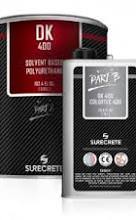
Clear Polyurethane Concrete Sealer: Benefits, Uses and Application
A clear polyurethane concrete sealer forms a protective coating over concrete while allowing its natural colour and texture to remain visible. It is used on floors and other concrete surfaces to help protect them from abrasion, stains, moisture and everyday wear. Depending on the product and finish, it can also add a subtle sheen or a glossy appearance.
Clear polyurethane sealers are commonly used in homes, commercial spaces, warehouses and selected outdoor areas. Choosing the right product and preparing the concrete properly are essential for a durable finish.
What Is a Polyurethane Concrete Sealer?
Polyurethane is a resin used to create a tough, protective film on a surface. When applied to concrete, the coating sits on top of the substrate rather than simply penetrating it. It is available in water-based and solvent-based formulations, as well as single-component and two-component systems.
Many products are designed for specific conditions, such as indoor floors, exterior surfaces or areas exposed to chemicals. Always check the manufacturer’s technical data sheet to confirm where a product can be used.
Key Benefits
- Wear resistance: A suitable polyurethane coating can help protect concrete from scuffs and abrasion caused by foot traffic, furniture or equipment.
- Stain protection: The film can make it easier to clean spills such as oil, grease and common household liquids, provided they are removed promptly.
- Clear finish: A clear coating preserves the appearance of decorative concrete, subject to the product’s finish and any colour change during application.
- Choice of sheen: Products may be available in matt, satin or gloss finishes.
- Easy maintenance: Sealed surfaces are generally easier to clean than unsealed concrete.
- Versatile use: Depending on the formulation, polyurethane sealers can be suitable for residential, retail, institutional and industrial settings.
Where Is It Used?
Clear polyurethane concrete sealers are used on interior floors such as living areas, garages, showrooms, offices and warehouses. They can also be applied over decorative concrete, coloured concrete or compatible coatings to provide a protective topcoat.
Exterior use requires careful product selection. Sunlight, rain, temperature changes and trapped moisture can affect coating performance. Some polyurethane products are more resistant to ultraviolet (UV) exposure than others, while certain formulations may yellow or change appearance over time. Confirm that the product is specifically rated for outdoor use.
Water-Based and Solvent-Based Options
Water-based polyurethane generally has a lower odour during application and may be suitable for occupied or indoor spaces when used as directed. Drying times and performance vary by product, and the concrete must still be properly prepared.
Solvent-based polyurethane may provide a different appearance or film build, depending on the formulation. It can release strong fumes and may require strict ventilation and ignition controls. Follow the product safety instructions and use appropriate protective equipment.
Neither type is automatically the best choice for every project. Compare the intended use, substrate condition, finish, application requirements and manufacturer’s recommendations before buying.
How to Apply a Clear Polyurethane Sealer
- Check the concrete: The slab should be sound, clean and sufficiently dry. New concrete must be allowed to cure for the period specified by the sealer manufacturer.
- Remove contaminants: Clean away dust, grease, oil, curing compounds, wax and previous coatings that could prevent adhesion.
- Prepare the surface: Depending on the concrete and product, preparation may involve grinding, abrasion or another method recommended by the manufacturer. A small test area can help confirm adhesion and appearance.
- Apply under suitable conditions: Check the recommended temperature and humidity range. Avoid application when rain, condensation or rapid temperature changes could affect curing.
- Mix and apply as directed: Use the specified tools and apply thin, even coats. For two-component products, observe the stated mixing ratio and pot life.
- Allow adequate curing: Keep people, vehicles and water off the surface for the time stated on the product label. Drying to the touch does not necessarily mean the coating has fully cured.
Application details differ between products. Do not assume that a standard concrete sealer, paint or coating is compatible with polyurethane; check the product documentation before applying one over another.
Common Problems to Avoid
Poor surface preparation is a frequent cause of peeling, bubbling or uneven coverage. Applying the coating over damp concrete, contaminants or an incompatible previous finish can also lead to failure. Thick coats, unsuitable weather conditions and incorrect mixing may affect the appearance and durability.
A smooth polyurethane film can become slippery when wet, especially in areas exposed to water. For entrances, ramps, kitchens or other potentially wet areas, ask the supplier whether an anti-slip additive or a different finish is appropriate. Any additive should be compatible with the coating system.
Maintenance
Clean sealed concrete with a soft broom, dust mop or damp mop and a cleaner approved for the coating. Avoid harsh chemicals, abrasive pads and equipment that may scratch or dull the surface. Use mats in high-traffic areas and clean spills promptly. Over time, the surface may need recoating; the timing depends on traffic, exposure and maintenance.
Choosing the Right Sealer
Before selecting a clear polyurethane concrete sealer, consider whether the surface is indoors or outdoors, the expected level of traffic, exposure to sunlight or chemicals, the desired sheen and the required slip resistance. Ask for the technical data sheet and safety data sheet, and confirm the recommended preparation, coverage, number of coats and curing time.
When correctly selected and applied, a clear polyurethane sealer can help preserve the appearance of concrete and make it easier to maintain. Careful preparation and following the manufacturer’s instructions are key to achieving a consistent, long-lasting finish.
Clear Polyurethane Concrete Sealer: 5 FAQs on Protection, Application, Curing and Slip Prevention
- What is a clear polyurethane concrete sealer, and how does it protect concrete?
- Can clear polyurethane concrete sealer be used on both indoor and outdoor surfaces?
- How should concrete be prepared before applying a polyurethane sealer?
- How many coats of clear polyurethane sealer are needed, and how long does it take to cure?
- Can polyurethane concrete sealer make the surface slippery, and how can this be prevented?
What is a clear polyurethane concrete sealer, and how does it protect concrete?
A clear polyurethane concrete sealer is a transparent, film-forming coating applied to concrete to help protect its surface while retaining its natural colour and texture. It creates a durable barrier that can resist abrasion, stains, moisture and everyday wear, making the surface easier to clean and maintain. The level of protection depends on the product and its intended use, so choose a sealer suited to the surface and follow the manufacturer’s preparation and application instructions.
Can clear polyurethane concrete sealer be used on both indoor and outdoor surfaces?
Yes, clear polyurethane concrete sealer can be used on both indoor and outdoor surfaces, provided the product is specifically designed for the intended conditions. For outdoor use, choose a formulation rated for UV exposure, rain and temperature changes, as some products may yellow or deteriorate in sunlight. Indoors, consider ventilation during application and the required curing time. Always check the manufacturer’s instructions and prepare the concrete as recommended before applying the sealer.
How should concrete be prepared before applying a polyurethane sealer?
Before applying a polyurethane sealer, ensure the concrete is fully cured, clean, dry and structurally sound. Remove dust, grease, oil, wax, curing compounds, loose material and any existing coating that could affect adhesion. Prepare the surface by grinding or abrading it if the product instructions require this, then vacuum away all residue. Repair cracks or damaged areas with a compatible material and allow them to cure. Check the sealer manufacturer’s guidance for moisture limits and any primer requirements, and test a small area first to confirm adhesion and appearance.
How many coats of clear polyurethane sealer are needed, and how long does it take to cure?
Most clear polyurethane concrete sealers require two thin, even coats, though some products may specify a different number; follow the manufacturer’s instructions. Drying and recoat times vary with the product, temperature, humidity and concrete condition, but a coat may be ready for recoating within a few hours. The surface may take 24–72 hours before light use, while full curing can take up to seven days. Avoid foot or vehicle traffic, water and cleaning until the stated curing period has passed.
Can polyurethane concrete sealer make the surface slippery, and how can this be prevented?
Yes, a clear polyurethane concrete sealer can make concrete slippery, particularly when the surface is wet or the coating has a smooth, glossy finish. To reduce the risk, choose a sealer suitable for the area and mix in a compatible anti-slip additive, following the manufacturer’s instructions. Textured finishes or non-slip mats can also help in high-traffic or wet areas. Test a small section first, as additives may change the coating’s appearance, and keep the surface clean to maintain grip.