
The Polyurethane Sector: Innovation, Applications and Opportunities in India
Polyurethane (PU) is a versatile class of polymer used in products ranging from building insulation and furniture to footwear, vehicles and appliances. Its properties can be adjusted to suit different needs, making it an important material across a wide range of industries. In India, demand for polyurethane is linked to growth in housing, infrastructure, transport, consumer goods and manufacturing.
What is polyurethane?
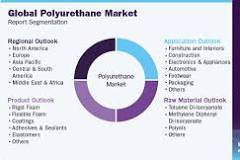
Polyurethane is produced through a chemical reaction involving polyols and isocyanates. By changing the formulation and manufacturing process, producers can create materials with very different characteristics. These include flexible foams for cushioning, rigid foams for insulation, elastomers for durable components, and coatings, adhesives and sealants for protective and joining applications.
Where is polyurethane used?
- Construction: Rigid PU and related insulation materials can help improve the thermal performance of buildings, cold-storage facilities and industrial equipment.
- Furniture and bedding: Flexible foam is widely used in mattresses, sofas, seating and other cushioning products.
- Automotive and transport: PU is used in seating, interior components, seals, coatings and other parts where comfort, durability or weight reduction is important.
- Appliances and refrigeration: Insulating foam helps limit heat transfer in refrigerators, freezers and some other equipment.
- Footwear and sports goods: PU materials can provide cushioning, flexibility and resistance to wear in soles and other components.
- Industrial products: Coatings, adhesives, sealants and elastomers serve applications such as protective finishes, rollers, wheels and equipment parts.
Why the sector matters
Polyurethane helps manufacturers balance performance, comfort, durability and weight. In buildings and appliances, insulation can contribute to lower energy use when products are correctly designed, installed and maintained. In transport, lightweight components may support vehicle efficiency. In furniture and footwear, PU can be tailored to meet particular requirements for cushioning and wear resistance.
The sector also supports a broad value chain, including chemical producers, formulators, equipment suppliers, converters, product manufacturers, distributors and recycling and waste-management businesses. Skills, quality control and safe handling are important throughout this chain.
Key challenges
Like other polymer industries, the polyurethane sector must address the environmental impacts associated with raw materials, production, product use and end-of-life management. Many PU products are durable and made to last, but some are difficult to collect and recycle once discarded. The diversity of PU products and formulations can make sorting and processing more complex.
Responsible chemical management is also essential. Manufacturers and users need to follow applicable safety requirements, provide appropriate training, use suitable protective measures and ensure proper storage and handling of raw materials. Product quality and worker safety depend on reliable processes and clear operating procedures.
Moving towards more sustainable solutions
Improving sustainability requires action across the product life cycle. Opportunities include designing products for longer service life, reducing manufacturing waste, improving energy efficiency, and developing systems to collect and recover used materials. Mechanical recycling may be suitable for certain products, while other routes, including chemical recycling, are being explored for specific streams. The best option depends on the material, product design, collection system and local infrastructure.
There is also growing interest in incorporating recycled or bio-based feedstocks where they can meet technical, safety and performance requirements. Clear information about a product’s composition and end-of-life options can help support better decisions by manufacturers, customers and waste managers.
Outlook for India
India’s continued urbanisation and industrial development create opportunities for polyurethane in construction, cold chains, appliances, transport and consumer products. Realising this potential will depend on innovation, investment in skills and manufacturing capabilities, consistent product quality, and responsible environmental and safety practices.
Collaboration among industry, research institutions, policymakers and waste-management stakeholders can help address shared challenges. With thoughtful product design and stronger end-of-life systems, the polyurethane sector can continue to contribute to modern manufacturing while working towards more efficient use of resources.
Polyurethane Industry FAQs: Uses, Classification, Functions and Leading Manufacturers
- What industry is polyurethane used in?
- What category is polyurethane in?
- What is the function of polyurethane?
- Who is the biggest manufacturer of polyurethane?
- What is polyurethane used for?
What industry is polyurethane used in?
Polyurethane is used across a wide range of industries because it can be made in forms such as flexible and rigid foam, elastomers, coatings, adhesives and sealants. Common applications include construction and insulation, furniture and bedding, automotive and transport, refrigeration and appliances, footwear, packaging, textiles and industrial equipment. Its versatility allows manufacturers to tailor it for cushioning, protection, durability, bonding or thermal insulation.
What category is polyurethane in?
Polyurethane (PU) is a synthetic polymer and is generally classified as a plastic. Depending on its formulation, it can be made as flexible or rigid foam, a coating, adhesive, sealant, elastomer or fibre. Most polyurethane products are thermosetting, while thermoplastic polyurethane (TPU) can be softened and reshaped with heat.
What is the function of polyurethane?
Polyurethane is a versatile material used to provide cushioning, insulation, protection and durability across many products. Depending on its formulation, it can be made into flexible foam for mattresses and furniture, rigid foam for buildings and appliances, or coatings, adhesives, sealants and elastomers for industrial and automotive applications. Its function is to help products meet specific requirements such as comfort, energy efficiency, resistance to wear and protection from moisture or chemicals.
Who is the biggest manufacturer of polyurethane?
There is no single universally recognised “biggest” polyurethane manufacturer, as rankings depend on the product category, region and measure used, such as revenue or production capacity. Major global producers include Covestro, BASF, Dow, Huntsman and Wanhua Chemical. Wanhua is particularly prominent in isocyanates, including MDI, a key raw material for many polyurethane products, but this does not make it the largest producer across every part of the polyurethane sector.
What is polyurethane used for?
Polyurethane is used in a wide range of products because its properties can be tailored for different applications. Flexible foam is commonly found in mattresses, sofas and vehicle seating, while rigid foam is used for insulation in buildings, refrigerators and cold-storage facilities. Polyurethane is also used in footwear, automotive components, protective coatings, adhesives, sealants and durable industrial parts.