
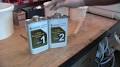
Two-Part Polyurethane Foam: How It Works and Where It Is Used
Two-part polyurethane (PU) foam is a versatile material made by combining two liquid components. Once mixed, the liquids react, expand and harden into foam. Its combination of low weight, thermal insulation and ability to fill gaps makes it useful in construction, refrigeration, packaging and many industrial applications.
What Are the Two Parts?
The two components are commonly called Part A and Part B. Part A generally contains an isocyanate, while Part B contains a blend of polyols and other ingredients, such as catalysts, blowing agents and surfactants. The exact formulation varies according to the intended use and the manufacturer.
When the components are mixed in the specified proportion, a chemical reaction produces polyurethane. A blowing agent creates gas within the reacting material, causing it to expand. The foam then cures into a solid structure. Depending on its formulation, the finished foam may be rigid, semi-rigid or flexible.
Types and Common Applications
Rigid foam
Rigid PU foam is widely used for thermal insulation because it can provide effective insulation with relatively little material. Applications include insulated panels, roofs, walls, cold-storage facilities, refrigerated transport and appliances. Spray-applied rigid foam can also fill irregular cavities and difficult-to-reach gaps.
Flexible foam
Flexible PU foam is designed to compress and recover its shape. It is used in products such as furniture, mattresses, vehicle seating and cushioning. Flexible foam is usually manufactured using processes suited to its particular product and performance requirements.
Specialist formulations
Some two-part systems are designed for sealing, buoyancy, void filling, sound reduction or packaging. The correct product depends on the application, the required density and strength, the operating temperature, and any applicable building or fire-safety requirements.
Key Benefits
- Thermal insulation: Rigid PU foam can help reduce heat transfer and support energy-efficient buildings and equipment.
- Gap filling: Expanding foam can conform to uneven surfaces and fill cavities when applied correctly.
- Low weight: Foam can provide insulation or cushioning without adding as much weight as some solid materials.
- Formulation flexibility: Properties such as density, rigidity and resilience can be tailored to different uses.
Important Application Considerations
Performance depends on more than the foam itself. The substrate should be suitable, clean and prepared as directed by the supplier. Temperature, moisture, mixing quality and application technique can affect expansion, curing and adhesion. For these reasons, follow the product’s technical data sheet and use the specified equipment and component ratio. Do not estimate the mixing proportion.
Foam expansion must also be considered. Applying too much material in a confined space can create pressure or lead to incomplete curing. Some products require application in layers or have limits on the thickness of each pass. Allow the foam to cure for the time stated by the manufacturer before trimming, covering or putting it into service.
Health, Safety and Handling
Uncured components can be hazardous. Isocyanates, in particular, can irritate the skin and eyes and may cause respiratory sensitisation. Work should be carried out by trained personnel using the personal protective equipment, ventilation and application controls specified in the safety data sheet. Depending on the product and process, this may include chemical-resistant gloves, eye protection, protective clothing and suitable respiratory protection.
Keep components in their original, clearly labelled containers and store them as directed. Avoid contact with uncured material, keep the work area well ventilated, and prevent unauthorised access during application and curing. Do not rely on odour as an indication of whether the area is safe. Consult the product’s safety data sheet for first-aid, spill and emergency instructions.
Fire performance varies by formulation and by the complete construction system in which the foam is installed. PU foam should not be assumed to be fireproof. Check relevant test data and local requirements, and use the specified protective coverings or barriers where required.
Choosing and Using Foam Responsibly
Before selecting a two-part PU foam, define the application and check the product’s technical data, including its intended use, density, thermal performance, curing conditions and fire-related properties. For building or industrial projects, consider the performance of the full assembly—not only the foam—and seek advice from a qualified professional when necessary.
Follow the manufacturer’s instructions for handling, application and disposal. Prevent uncured material from entering drains or the environment, and dispose of containers and residues in accordance with the product guidance and applicable local regulations.
Conclusion
Two-part polyurethane foam is a useful material because its properties can be adapted to a wide range of insulation, cushioning and filling needs. Successful results depend on choosing the right formulation, using the correct mixing and application method, and following appropriate safety precautions.
5 Essential Tips for Using Two-Part Polyurethane Foam Safely and Effectively
- Follow the product’s mixing ratio and instructions exactly.
- Wear gloves and eye protection; work in a well-ventilated area.
- Keep the surface clean, dry and free of dust before application.
- Apply in small amounts, as the foam expands while curing.
- Let it cure fully before trimming or handling.
Follow the product’s mixing ratio and instructions exactly.
Always follow the product’s specified mixing ratio and instructions exactly when using two-part polyurethane foam. The components are formulated to react in precise proportions, so an incorrect ratio or poor mixing can affect expansion, curing, adhesion and the finished foam’s strength. Read the product label and technical data sheet before starting, measure the components as directed, and observe the stated application conditions and curing time.
Wear gloves and eye protection; work in a well-ventilated area.
When working with two-part polyurethane foam, wear chemical-resistant gloves and suitable eye protection to help prevent contact with the uncured components. Work in a well-ventilated area and follow the product label and safety data sheet for any additional protective equipment or handling instructions.
Keep the surface clean, dry and free of dust before application.
Before applying two-part polyurethane foam, make sure the surface is clean, dry and free from dust, grease and loose material. A well-prepared surface helps the foam adhere evenly and cure as intended, while moisture or debris can affect bonding and the finished result. Follow the product manufacturer’s preparation instructions, as requirements may vary by surface and formulation.
Apply in small amounts, as the foam expands while curing.
Apply two-part polyurethane foam in small amounts, as it expands while curing. Adding too much at once can cause the foam to overflow or place unwanted pressure on surrounding surfaces. Follow the product instructions, allow each application to expand, and add more only if needed.
Let it cure fully before trimming or handling.
Allow two-part polyurethane foam to cure fully before trimming or handling it. This gives the chemical reaction time to finish and the foam time to reach its intended strength and stability. Cutting or disturbing it too early can damage the foam, affect its performance or expose you to uncured material. Follow the product label or technical data sheet for the recommended curing time, as it can vary with the formulation and working conditions.