
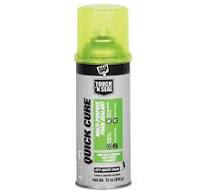
Quick-Cure Polyurethane Foam Sealant: Uses, Benefits and Application Tips
Quick-cure polyurethane (PU) foam sealant is a one-component product that expands after application and hardens to form a durable seal. It is commonly used to fill gaps, cracks and cavities in buildings. Depending on the product and conditions, it can become surface-dry relatively quickly, while full curing may take longer. Always check the manufacturer’s instructions for the stated curing time and suitable applications.
How Quick-Cure PU Foam Sealant Works
When dispensed, the foam expands to fill the space around it. It then reacts with moisture in the air and surrounding surfaces to cure. Expansion helps the foam reach into irregular gaps, while the hardened material can help reduce air leakage and heat transfer.
“Quick-cure” generally describes a product designed to set or become workable sooner than standard alternatives. It does not necessarily mean the foam is fully cured immediately. Temperature, humidity, gap size and the amount applied can all affect curing time.
Common Applications
- Sealing gaps around window and door frames
- Filling service penetrations and openings around pipes or cables
- Closing cracks and cavities in walls, roofs and other building components
- Reducing draughts around construction joints
- Filling voids in certain insulation and building projects
PU foam sealant is not suitable for every joint or surface. It is generally not intended as a structural adhesive or as a substitute for a flexible sealant where a joint moves regularly. Check the product label for compatible materials and recommended uses.
Benefits
- Fast setting: A shorter surface-drying time can help keep installation work moving.
- Gap-filling ability: Expanding foam can fill spaces that are difficult to seal with a flat strip or bead.
- Air-sealing support: Correctly applied foam can help limit unwanted air movement through gaps.
- Versatility: Many formulations are designed for use on common building materials, subject to the product instructions.
- Trimmable after curing: Excess foam can often be cut back once it has hardened sufficiently.
How to Apply It
- Prepare the area: Remove loose dust, oil and debris. Protect nearby surfaces, as uncured foam can be difficult to remove.
- Check the conditions: Follow the label guidance on temperature, humidity and surface preparation. Some products recommend lightly dampening porous surfaces.
- Prepare the can: Shake and fit the applicator as directed. Use suitable gloves and eye protection.
- Apply sparingly: Dispense the foam into the gap without filling it completely. The foam expands, and overfilling can cause unwanted pressure or overflow.
- Allow it to cure: Keep the area undisturbed for the time stated by the manufacturer. Do not trim or cover it too early.
- Finish the surface: Once cured, trim excess foam if needed. Exposed foam may require protection from sunlight and weather, depending on the product and installation.
Safety and Storage
Read the product label and safety data sheet before use. Many PU foam products contain reactive chemicals and are supplied in pressurised cans. Use them in a well-ventilated area, avoid contact with skin and eyes, and keep the can away from heat, sparks and open flames. Do not puncture or burn the can, even when it appears empty.
Store the product as directed, away from direct sunlight and excessive heat. Keep it out of reach of children. Uncured foam usually requires a product-specific cleaner, while cured foam is typically removed mechanically; check the manufacturer’s guidance before cleaning.
Choosing the Right Foam Sealant
Before buying, consider the gap size, location, substrate and expected movement. Look for information on expansion rate, curing time, temperature range, moisture resistance and whether the product is intended for indoor or outdoor use. For fire-rated, acoustic or specialist installations, choose a product with the required tested rating and follow the complete installation system specified by its manufacturer.
Conclusion
Quick-cure PU foam sealant can make gap-filling and air-sealing work more efficient when the product is selected and applied correctly. Its fast surface setting is useful on time-sensitive jobs, but full curing still depends on the product and site conditions. Following the label instructions, applying only the required amount and using appropriate protective equipment will help achieve a reliable result.
Quick-Cure Polyurethane Foam Sealant: 6 FAQs on Uses, Curing, Application and Safety
- What is quick-cure polyurethane foam sealant, and how does it work?
- How long does quick-cure polyurethane foam sealant take to dry and fully cure?
- What surfaces and gaps can quick-cure PU foam sealant be used on?
- How should quick-cure polyurethane foam sealant be applied for the best results?
- Can cured polyurethane foam sealant be cut, painted or exposed to weather?
- What safety precautions should be taken when using PU foam sealant?
What is quick-cure polyurethane foam sealant, and how does it work?
Quick-cure polyurethane foam sealant is a one-component product used to fill and seal gaps, cracks and cavities in buildings. When dispensed, it expands to fill the space and reacts with moisture in the air and surrounding surfaces to harden into a durable foam. Its quick-cure formulation is designed to become surface-dry or ready for trimming sooner than standard foam, although full curing can take longer depending on the product, temperature, humidity and gap size. Always follow the manufacturer’s instructions for application and curing times.
How long does quick-cure polyurethane foam sealant take to dry and fully cure?
Quick-cure polyurethane foam sealant may become tack-free or dry to the touch within minutes, but the exact time depends on the product, bead size, temperature and humidity. Full curing commonly takes several hours and may take up to 24 hours or longer in cool, dry conditions or when the foam is applied in a deep gap. Check the product label for the recommended curing time, and avoid trimming, covering or disturbing the foam until it has cured sufficiently.
What surfaces and gaps can quick-cure PU foam sealant be used on?
Quick-cure PU foam sealant can be used to fill and seal gaps around common building materials such as concrete, brick, masonry, wood and some metals or plastics, provided the product label confirms compatibility. Typical applications include gaps around window and door frames, pipes, cables and other service penetrations, as well as cracks and cavities in walls or roofs. It is best suited to relatively stable gaps rather than joints that move frequently, and it should not be used as a structural fix. Check the manufacturer’s guidance for suitable surfaces, maximum gap size and any preparation needed before application.
How should quick-cure polyurethane foam sealant be applied for the best results?
For the best results, start with a clean, dry surface, removing dust, oil and loose material; check the product label, as some foams recommend lightly dampening porous surfaces. Wear gloves and eye protection, shake the can and fit the applicator as directed. Apply the foam steadily into the gap, filling it only partway because it expands as it cures. Avoid disturbing it until the manufacturer’s stated curing time has passed, then trim any excess if needed. Work in a well-ventilated area and follow the product’s safety and temperature instructions.
Can cured polyurethane foam sealant be cut, painted or exposed to weather?
Yes, once fully cured, polyurethane foam sealant can generally be trimmed with a sharp knife and painted or covered with a suitable coating, provided the product instructions allow it. Exposed foam should not usually be left unprotected outdoors, as sunlight and weather can cause it to deteriorate. Cover it with a compatible paint, sealant or other protective finish, and check the manufacturer’s guidance for curing time, suitable coatings and weather exposure.
What safety precautions should be taken when using PU foam sealant?
When using quick-cure PU foam sealant, read the product label and safety instructions before starting, and work in a well-ventilated area. Wear protective gloves and safety goggles, and avoid breathing in vapours or allowing uncured foam to contact your skin or eyes. Keep the pressurised can away from heat, sparks and open flames, and never puncture or burn it. Protect nearby surfaces, keep the product out of reach of children, and follow the manufacturer’s guidance for application, clean-up, storage and disposal.